Drywall Taping Versus Skim Coating

How to Prepare Ceiling for Painting Right
2 julio, 2026
Can Drywall Cracks Come Back After Repair?
4 julio, 2026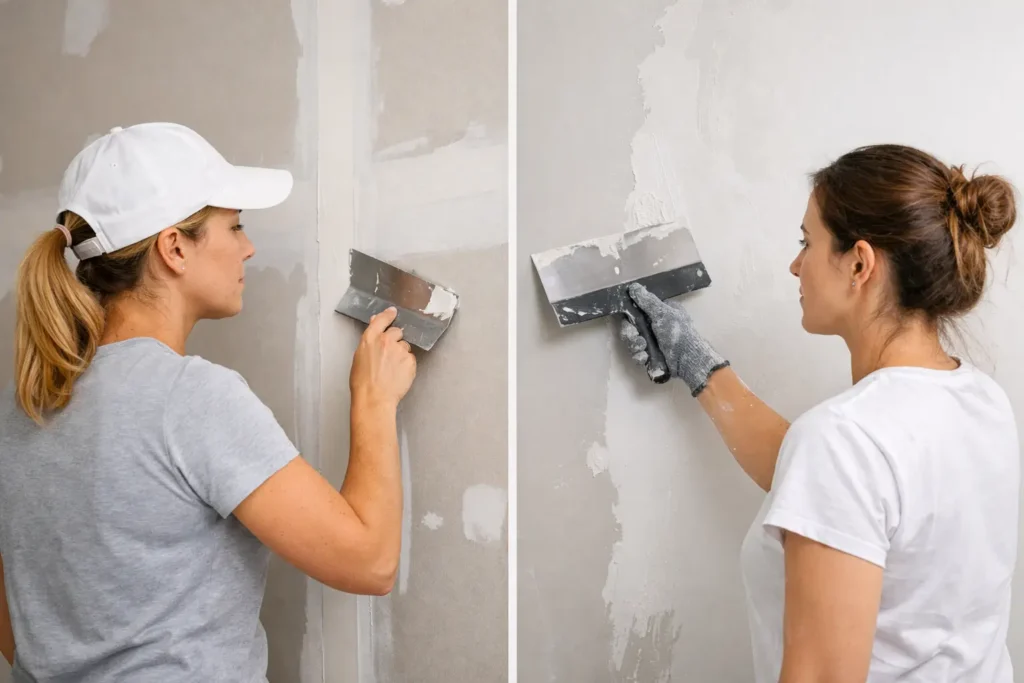
A wall can look fine from across the room and still fall apart under paint. Seams show up. Screw heads flash through. Old texture leaves shadows. That is where the real question starts: drywall taping versus skim coating. They are not the same service, they solve different problems, and choosing the right one makes a major difference in how your walls and ceilings look when the job is done.
For homeowners, contractors, and property managers, this decision usually comes up during new drywall installation, renovation work, repairs, or ceiling updates. One method builds the foundation of the finish. The other refines the surface. If you expect a clean, paint-ready result, especially under strong light, it helps to know where each one fits.
Drywall taping versus skim coating: what is the difference?
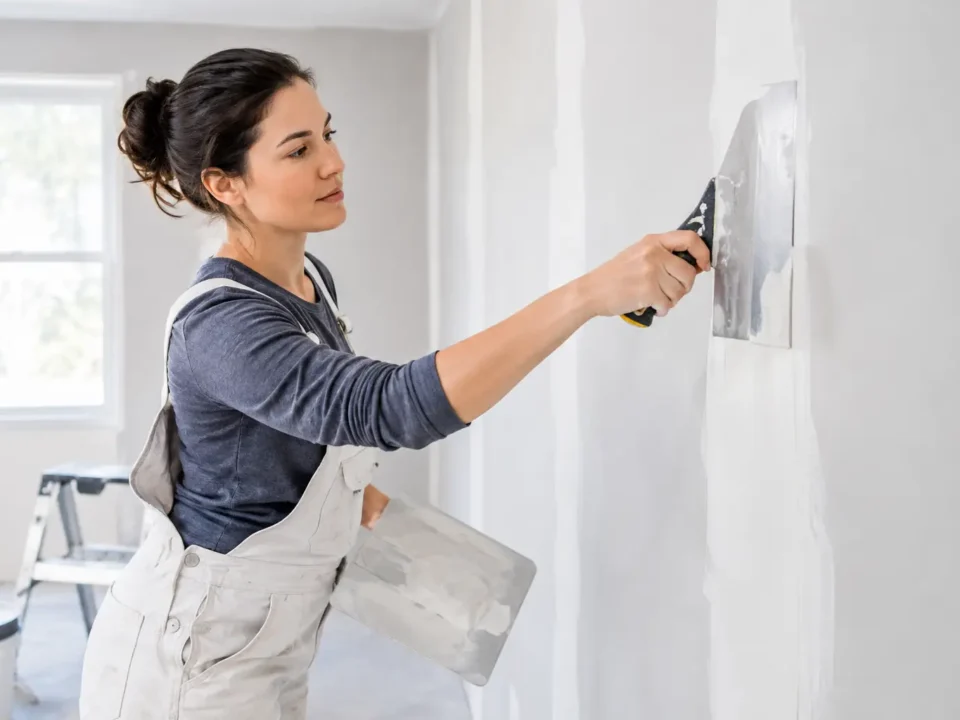
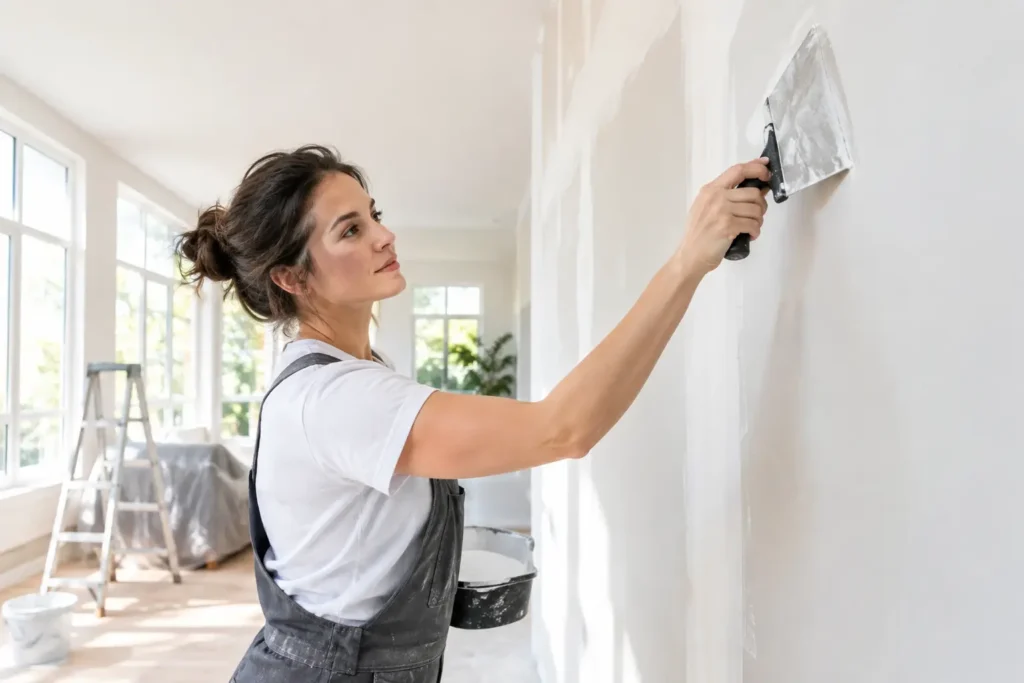
Drywall taping is the process of finishing the joints between drywall sheets. It includes embedding tape over seams, covering fasteners, and applying compound in multiple coats to create a continuous surface. This is a core part of drywall finishing. Without it, the board edges, gaps, and joints remain visible and vulnerable to cracking.
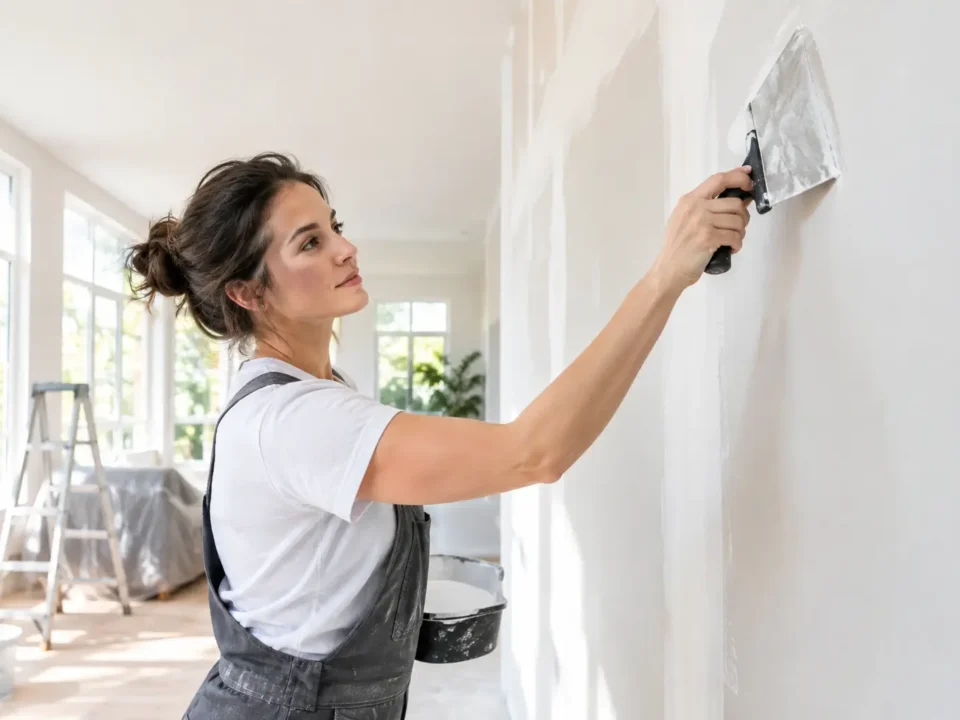
Skim coating is different. It is a thin coat, or a series of thin coats, of joint compound spread across the broader face of a wall or ceiling. The goal is not to finish individual seams, but to smooth out the entire surface, hide minor imperfections, reduce texture, and create a more uniform appearance.
In simple terms, taping handles the structure of the finish. Skim coating handles the appearance of the finish.
That distinction matters because some projects need only standard taping and finishing, while others need an extra step to achieve a flatter, cleaner, higher-end surface.
When drywall taping is the right service
If new drywall has been installed, taping is not optional. Every joint, inside corner, outside corner, and screw head must be properly treated before primer and paint. This is what turns individual drywall panels into what looks like one finished wall.
A proper taping job usually involves several passes. First, tape is embedded in compound at the seams. Then additional coats are applied to build out and feather the joints. After drying and sanding, the surface becomes ready for the specified finish level.
For many standard residential and commercial spaces, a well-executed Level 4 finish is enough. Bedrooms, offices, hallways, and most walls with standard paint often look excellent with quality taping and finishing alone. If the drywall is new, flat, and installed correctly, there may be no reason to skim coat the entire surface.
Taping is also the right approach for localized repairs. If a section of drywall was cut open for plumbing, electrical, or water damage repair, the main need is usually to tape and finish the patched area so it blends with the surrounding surface.
The key point is this: taping is essential where boards meet and where fasteners penetrate. It creates durability as well as visual continuity.
When skim coating makes more sense
Skim coating becomes valuable when the issue is not just seams, but the overall condition or appearance of the surface. That often happens in older homes, after wallpaper removal, after texture removal, or when walls have multiple layers of paint and patching.
A skim coat can help when the wall has shallow dents, uneven porosity, slight surface tearing, old roller texture, or visible transitions from previous repairs. It can also improve ceilings that need a smoother, more updated look after popcorn ceiling removal.
This is especially relevant when the final paint color will be darker, glossier, or exposed to strong side lighting from large windows, sconces, or commercial fixtures. Light does not forgive surface defects. It highlights them.
In higher-end work, skim coating is often part of achieving a Level 5 finish. That finish level is used when clients want the most uniform surface possible, or when design conditions make imperfections easier to spot. Not every room needs it, but in the right setting, it can dramatically improve the final result.
Drywall taping versus skim coating for repairs and remodels
This is where many people get stuck. A remodel rarely presents a perfectly clean, simple choice.
If you are dealing with a small patch, damaged seam, or a few stress cracks, taping and standard finishing may be all you need. If the surrounding wall is in decent shape, a full skim coat may add cost without adding much value.
But if the wall has widespread flaws, patchy repairs from different years, leftover texture, or visible paint build-up, skim coating can be the smarter move. It gives the whole area a more consistent surface instead of leaving the repaired sections smoother than the original wall.
The same logic applies to ceilings. After popcorn ceiling removal, for example, the ceiling often needs more than spot repairs. Adhesive residue, torn paper, uneven scraping marks, and old patchwork can all remain. In those cases, skim coating helps create the smooth ceiling people actually expect.
That is why experienced finishers do not treat every surface the same. The right recommendation depends on what the wall or ceiling will look like after paint, not just what it looks like mid-project.
Cost, labor, and finish expectations
Taping is generally less labor-intensive than skim coating an entire room, although quality taping still requires skill, drying time, and careful sanding. Skim coating adds more material, more passes, and more labor, especially on ceilings or large continuous walls.
So yes, skim coating usually costs more. But the real question is whether it prevents disappointment later.
If the surface will be viewed in normal lighting with standard paint, a strong Level 4 finish may be the best value. If the room has big windows, smooth ceilings, high-end paint, or design expectations that leave no room for visible defects, skim coating may be money well spent.
This is one of those cases where the cheapest approach and the best approach are not always the same. Paying for skim coating where it is not needed can be unnecessary. Skipping it where it is needed can leave a finished room looking unfinished.
What quality workmanship looks like
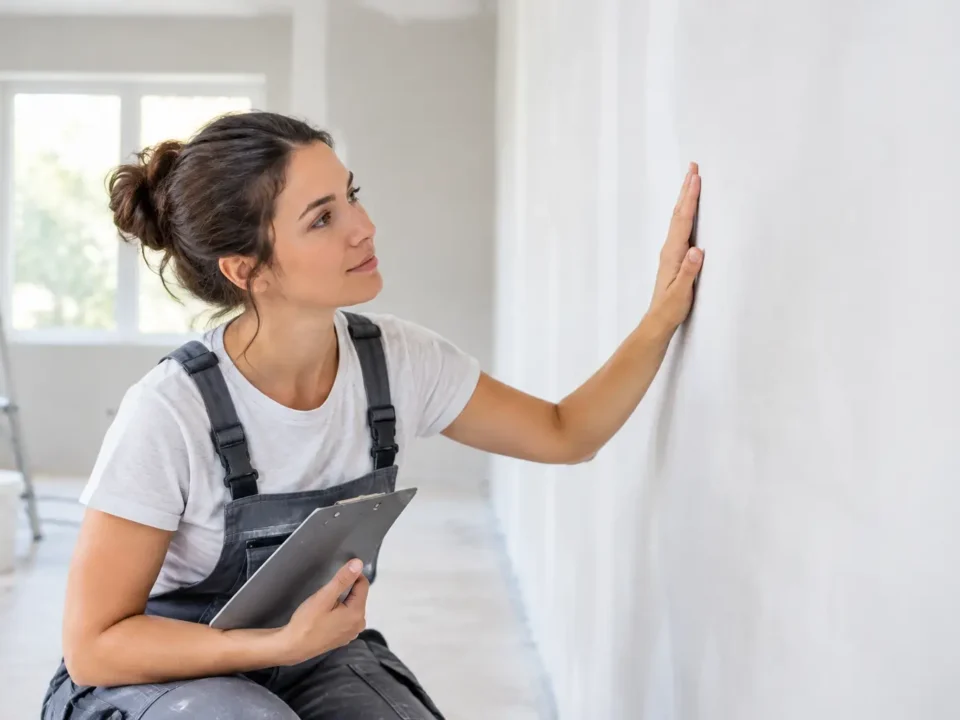
Whether the project calls for taping alone or taping plus skim coating, the result depends heavily on execution. Poor finishing leaves ridges, flashing, pitting, sanding marks, and uneven transitions that become obvious once primer and paint go on.
Good workmanship is quieter than people expect. You do not notice where the joints were. You do not see patch outlines in afternoon light. Corners look crisp. Ceilings read as smooth and continuous. The finish looks natural because nothing calls attention to itself.
That takes more than applying mud and sanding it down. It requires reading the surface, understanding light, controlling build-up, and knowing how different areas will behave once painted. This is why specialized drywall finishers are often brought in even when framing and hanging have already been completed by others.
For property managers and contractors, that reliability matters. For homeowners, it means fewer surprises at the final walkthrough.
How to choose the right option for your project
Start with the surface itself. Is the main issue at the seams and fasteners, or is the entire wall or ceiling visually inconsistent? If it is just the joints, taping may be enough. If the whole surface has texture, scarring, patchiness, or visible defects, skim coating deserves serious consideration.
Then look at the finish you want. A utility room and a formal living space do not need the same standard. Neither does a rental turnover and a custom renovation. If the space is getting premium paint, smooth ceilings, or a Level 5 finish, skim coating often becomes part of the conversation.
Lighting should be part of the decision too. Strong natural light and angled artificial light reveal flaws that might otherwise go unnoticed. A wall that seems acceptable in dim conditions can look rough once the room is bright and complete.
And finally, think about the scope. Spot solutions work well for isolated damage. Larger remodels and older surfaces often benefit from a broader finish strategy. In homes and commercial spaces across places like St. Catharines, Hamilton, and the Niagara Region, that usually means evaluating not just what is damaged, but what will still show after painting.
A professional assessment can save time and rework. A contractor who understands both taping and skim coating should be able to explain not only what they recommend, but why.
TH Taping is here to help with everything from repairs and patches to Level 4 and Level 5 finishes, smooth ceilings, and full drywall finishing work.
The best finish is not always the one with the most compound on the wall. It is the one that matches the surface, the space, and the result you want to see every day after the paint dries.