How to Compare a Drywall Quote Near Me

Drywall Repair After Plumbing Leak
25 mayo, 2026
Ceiling Texture Removal Done Right
27 mayo, 2026
When someone searches for a drywall quote near me, they usually need answers fast. Maybe there is a ceiling crack getting worse, a repair that has to be painted this week, or a renovation that cannot move forward until the walls are finished properly. The problem is not just finding a price. It is finding a quote that tells you what kind of result you are actually paying for.
A drywall estimate can look simple on paper and still leave out the details that matter most. That is where expensive surprises happen. A lower number may sound great at first, but if it excludes finish level, patch blending, cleanup, or return visits, the final cost and final appearance can be very different from what you expected.
What a drywall quote near me should really include
A professional quote should do more than name a price. It should explain the scope clearly enough that you know what will be done, how far the finish goes, and what the surface should be ready for when the work is complete.
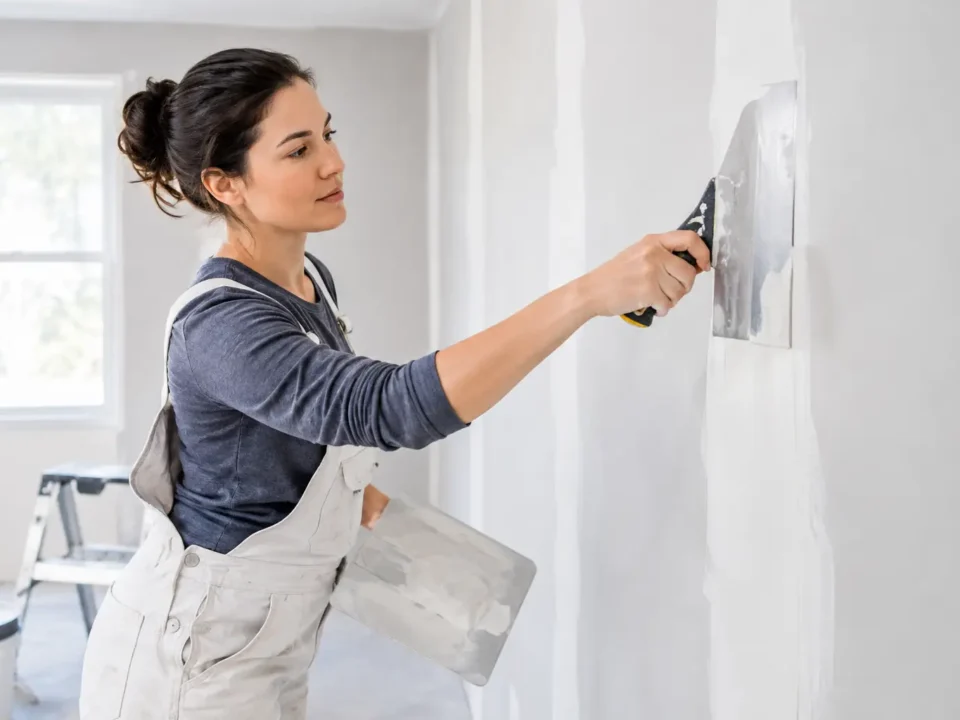
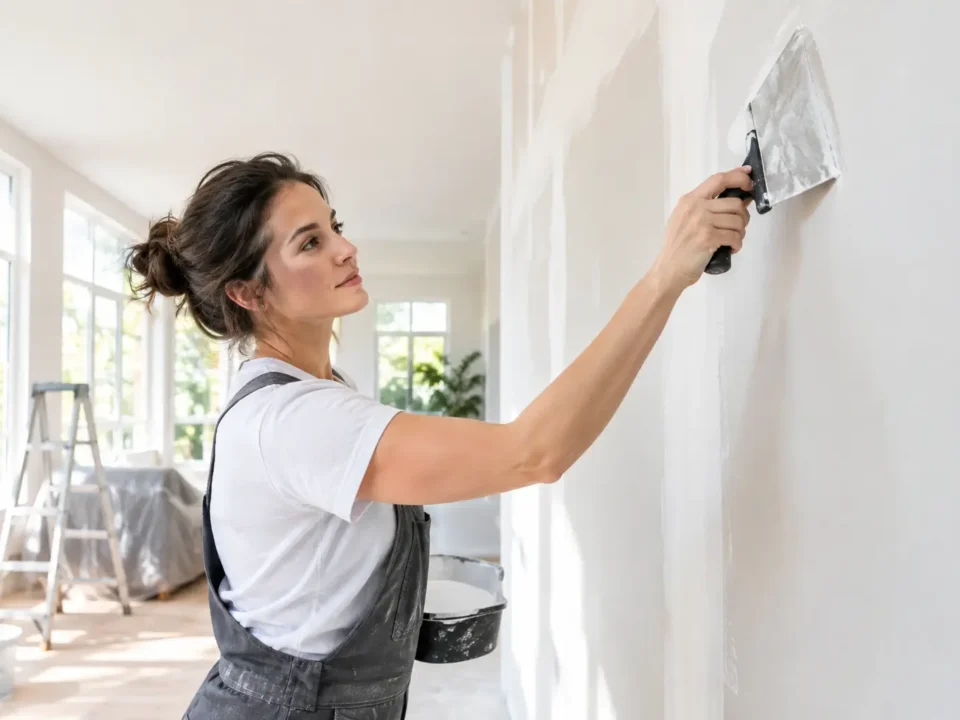
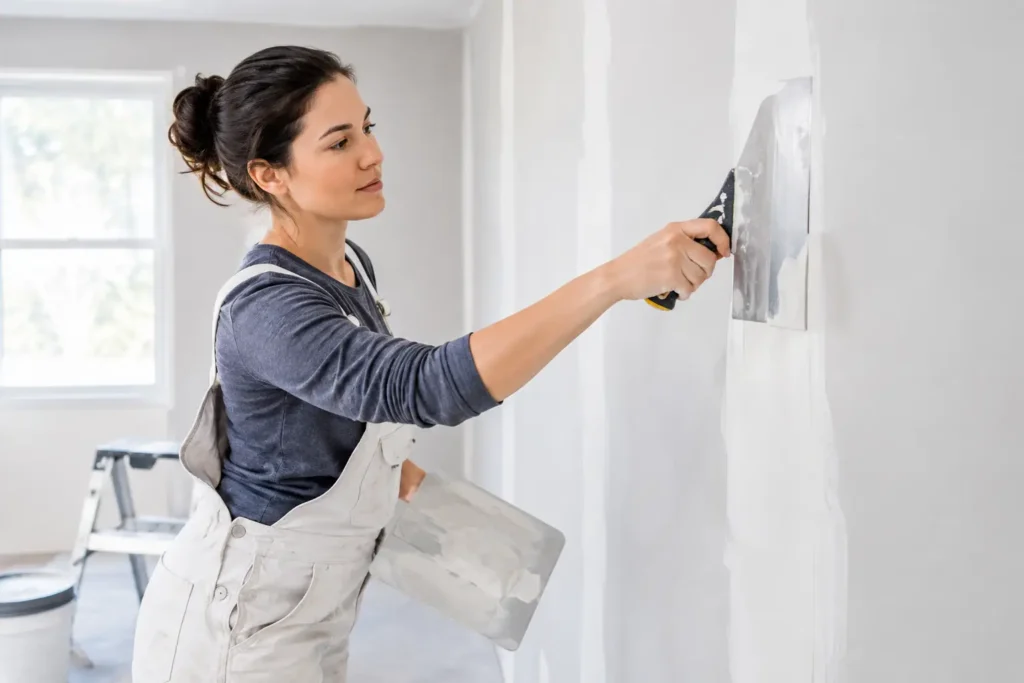
For drywall taping and finishing, one of the biggest details is the finish level. If that is not discussed, you are missing a major part of the quote. A level 4 finish may be right for many standard painted walls, while a level 5 finish is often the better choice for spaces with strong lighting, smooth ceilings, or higher-end interiors where imperfections show easily. If two contractors give very different prices, this is often one reason why.
The quote should also spell out whether it covers new drywall finishing, minor repairs, patchwork, corner bead work, sanding, texture removal, or smooth ceiling preparation. Those are not small details. They change labor time, materials, and the skill required to get a clean final surface.
If you are asking for a repair, the quote should mention whether the patched area will be blended into the surrounding surface or simply filled and sanded. There is a big difference. A patch that disappears into the wall takes more care than one that is merely closed up.
Why drywall quotes vary so much
Homeowners and property managers often wonder why one quote is hundreds or even thousands apart from another. In drywall finishing, price differences usually come down to labor quality, surface expectations, and how complete the scope really is.
Some crews quote only the basic application. Others include multiple coats, detailed sanding, better surface correction, and more time spent checking for visible flaws under light. If you are comparing prices for smooth ceilings or level 5 work, the gap can be even wider because the finish has to be much more refined.
There is also the issue of small-job versus large-job pricing. A company willing to take on a single repair, a ceiling patch, or an urgent service call may price differently than one focused only on full-house projects. That does not automatically mean the quote is too high. It may reflect travel, setup, material minimums, and the fact that a small repair still needs to look right when it is done.
The questions worth asking before you say yes
A good quote becomes much more useful when you ask a few direct questions. Start with the finish. Ask what level of finish is included and whether the surface will be ready for paint or still need prep work. If the project includes ceilings, ask whether lighting conditions were considered. Smooth ceilings and long wall runs can reveal even minor inconsistencies.
Next, ask about repairs versus replacement. In some cases, a damaged area can be patched cleanly. In others, partial replacement gives a better result and avoids future cracking. The right answer depends on water damage, movement, previous repairs, and how visible the area is.
It also helps to ask what is excluded. Paint is often separate. Cleanup may or may not be included. Popcorn ceiling removal may require extra prep, dust control, and disposal. If those items are not on the quote, do not assume they are covered.
Timeline matters too. If you need the work completed quickly, say so early. Drywall finishing involves drying time between coats, and rushed scheduling can affect both cost and process. Emergency repairs are possible, but they should still be quoted clearly.
Comparing quotes fairly
If you collect two or three estimates, compare them line by line, not just by total price. The cheapest option is not always the most affordable once the project starts. Look for differences in materials, number of visits, finish level, prep, protection of surrounding areas, and final sanding.
This matters even more for commercial work or renovation projects involving multiple trades. If drywall finishing is underquoted, it can delay paint, trim, flooring, and final turnover. A realistic quote from the start is often the one that protects your schedule.
For residential jobs, the same rule applies. A ceiling that still shows seams after painting is not a bargain. Neither is a patch that flashes under light or a wall finish that needs to be redone before the room can be completed. Quality in drywall work is visible at the end, not just during installation.
When a low quote is a red flag
Not every low quote is bad, but some are low because key steps are missing. If the price seems unusually cheap, look closely at what is actually included. Was the contractor specific about coats, sanding, finish level, and repairs to surrounding damage? Did they account for corners, joints, fastener touch-ups, and surface correction?
Another red flag is vague language. If a quote says only something like drywall work – one price, that is not enough detail for a clean comparison. A clear estimate protects both sides. It tells you what to expect and gives the contractor a defined scope to complete.
You should also be cautious when someone promises a perfect finish without asking about lighting, paint sheen, existing texture, or substrate condition. Drywall work always depends on the actual surface. A reliable professional will be confident, but also honest about what the job requires.
Small repairs deserve the same attention
Many people assume drywall companies only want full remodels or large builds. That is not always true. Smaller jobs such as wall patches, stress cracks, water-damaged sections, and ceiling repairs still need skilled finishing if you want the repair to disappear.
This is especially true in lived-in homes and occupied properties. The challenge is not just fixing the damaged area. It is making the repair blend with what is already there, keeping disruption low, and leaving the space clean. If you are getting a drywall quote near me for a smaller issue, make sure the company actually handles detail work and not only production-scale jobs.
That flexibility is one reason specialized finishers stand out. A team that can handle both full finishing packages and urgent repair work is often better equipped to give you a practical solution instead of forcing the job into a one-size-fits-all estimate.
What to expect from the quoting process
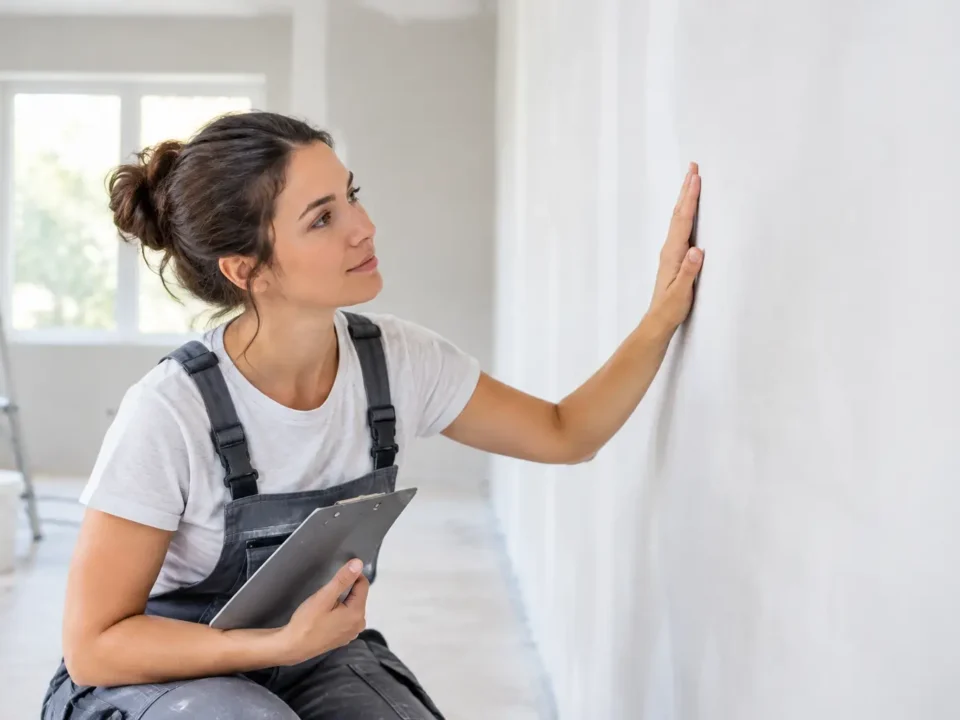
A solid quoting process should feel straightforward. You explain the issue, share photos or schedule a site visit, and get a clear assessment of the work needed. In some cases, photos are enough for a rough estimate. For larger jobs, custom homes, commercial spaces, or level 5 finishes, an on-site review usually gives a more accurate quote.
The best estimates are clear without being complicated. You should understand the work, the expected finish, and any conditions that could affect price. If there is hidden damage, access issues, or a need for additional prep, that should be discussed early, not added at the end without warning.
For property managers and contractors, responsiveness matters as much as pricing. Delayed communication can slow down the whole project. A company that answers quickly, scopes accurately, and knows how to coordinate with the job schedule saves time before the first coat even goes on.
TH Taping works with homeowners, contractors, and commercial clients who need that kind of clarity, whether the project is a full finishing job, a smooth ceiling upgrade, popcorn ceiling removal, or a smaller repair that needs prompt attention.
A better quote leads to a better finish
The right drywall quote is not just the one with the lowest number. It is the one that matches the result you want. Clean walls, smooth ceilings, durable repairs, and a surface ready for paint all depend on the details inside that estimate.
If you are comparing options, slow down long enough to check what is really being offered. A clear scope, the right finish level, and honest communication can save you rework, delays, and frustration later. When the quote is solid from the start, the finished surface usually is too.