Drywall Taping Services That Look Right

Drywall Finishing Before Painting Done Right
21 mayo, 2026
What a Drywall Finishing Contractor Does
23 mayo, 2026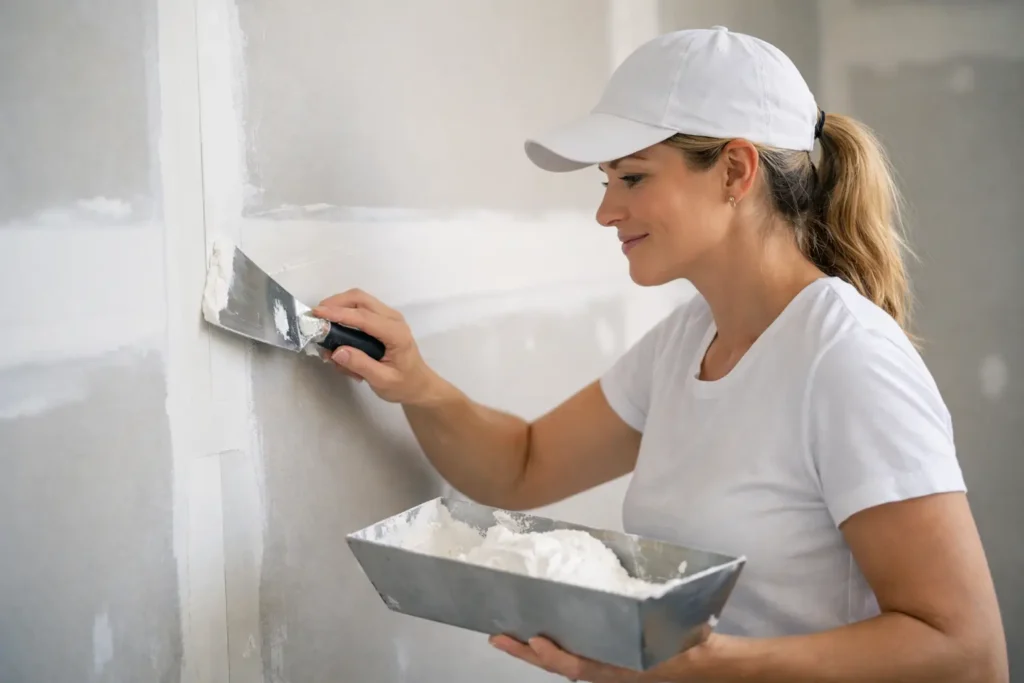
A wall can be framed well, hung well, and still look wrong once the paint goes on. That usually comes down to the finish. Drywall taping services are what turn visible joints, fastener marks, and patchwork repairs into clean, uniform surfaces that actually look finished.
For homeowners, contractors, and property managers, that part matters more than people think. A poor tape job shows up under daylight, under flat paint, and especially across ceilings. A good one disappears. That is the difference between a room that looks complete and one that always feels a little off.
What drywall taping services actually include
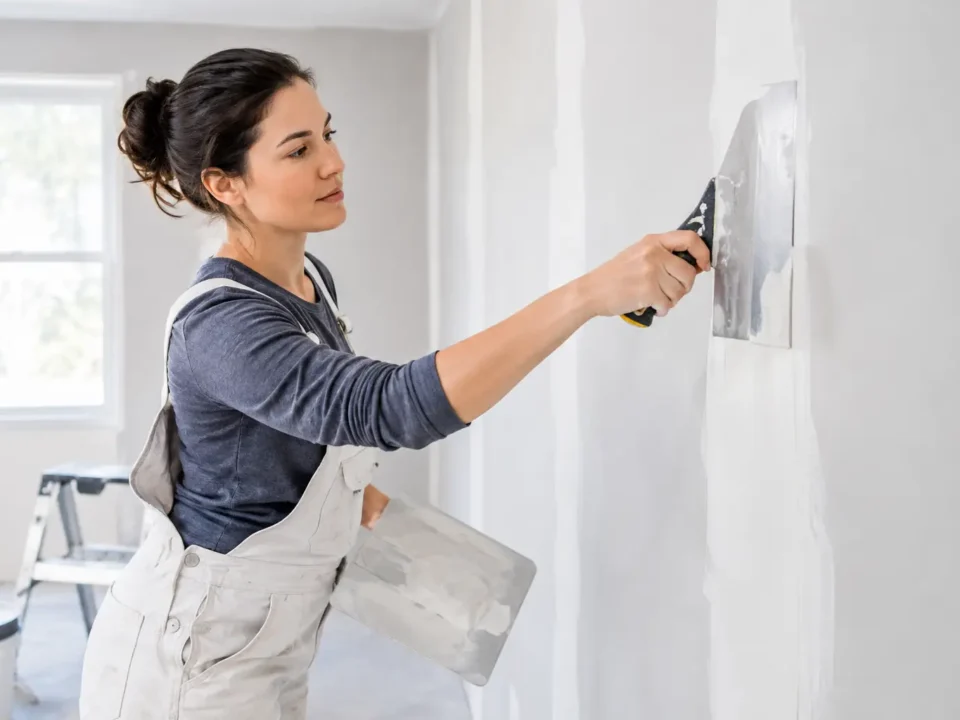
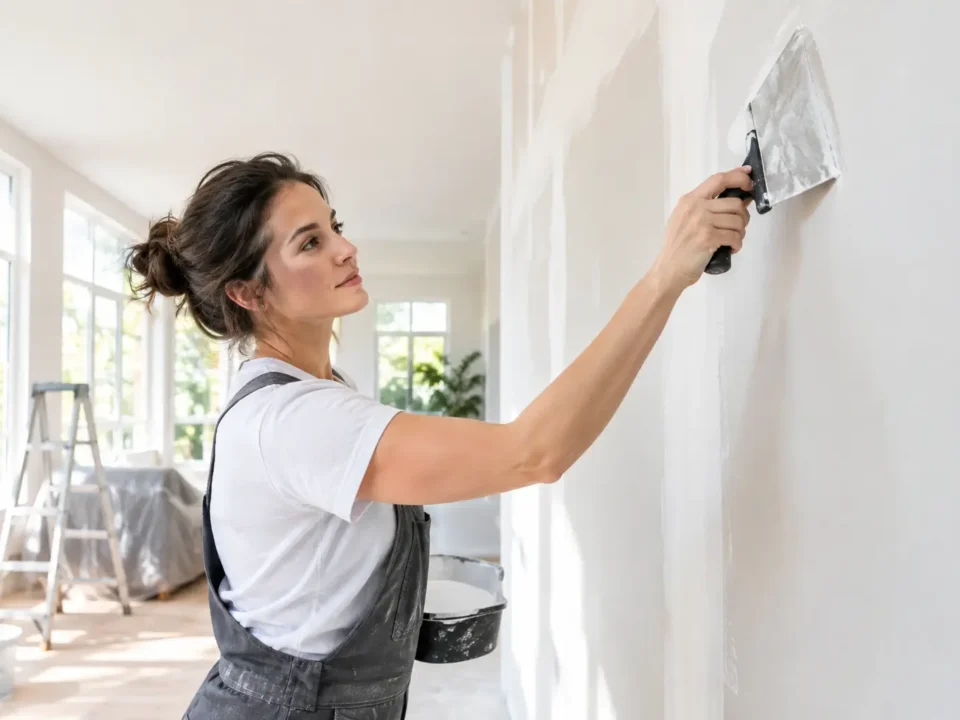
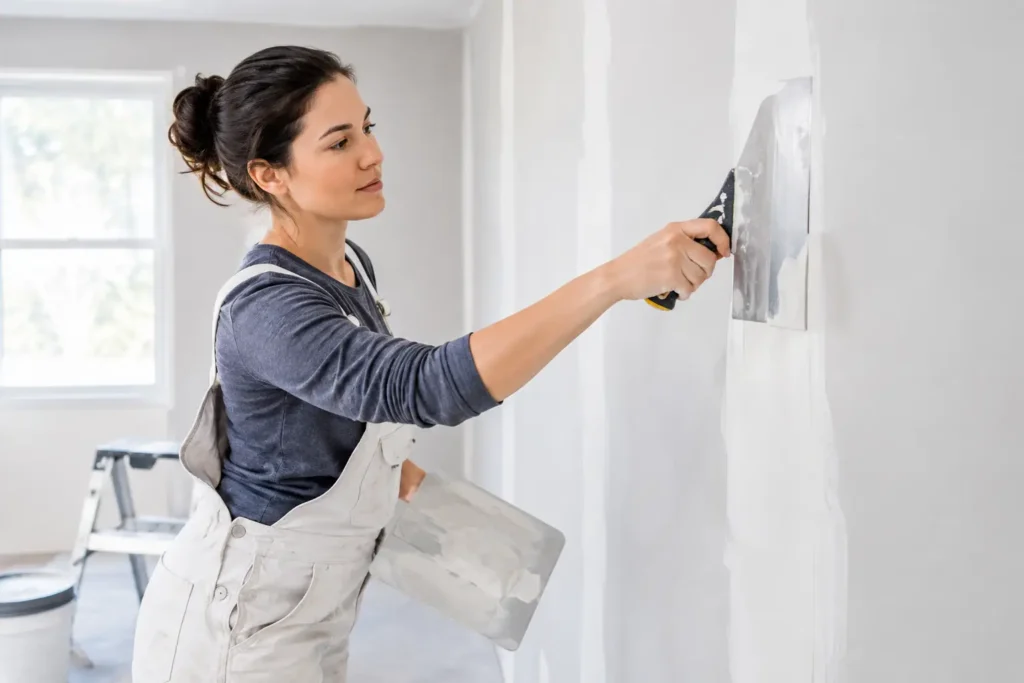
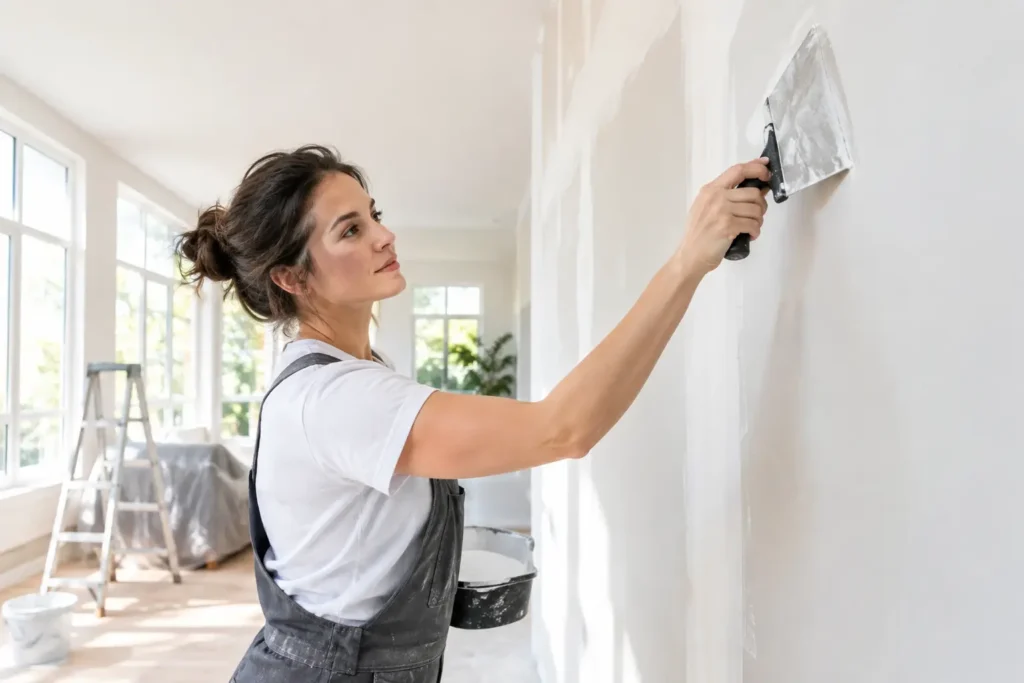
Drywall finishing is more than applying tape over seams. The work starts with treating joints correctly, embedding tape, applying compound in controlled coats, and sanding with enough precision to keep the surface smooth without overworking it. It also includes inside corners, outside corners, screw holes, transitions, and patches that need to blend into the surrounding wall.
On some jobs, the goal is simply to get walls ready for standard paint. On others, the finish needs to meet a higher visual standard because the lighting is strong, the paint sheen is less forgiving, or the space is meant to feel more polished. That is where finish levels matter.
Level 4 is a common choice for many residential interiors and general commercial spaces. Level 5 goes further by creating a more uniform surface, often with a skim coat, to reduce the appearance of imperfections under demanding light. If a room has large windows, long wall runs, or smooth ceilings, the difference becomes easier to see.
Why drywall taping services matter more than most people expect
People often notice bad drywall finishing before they know what they are looking at. They see ridges at seams, flashing over patched areas, uneven corners, nail pops, or a ceiling that looks wavy after paint. Even when the structure is sound, the room feels lower quality because the finish is visible.
That is why taping is not just a step in the process. It is the step that controls how the final surface reads. Paint does not hide weak finishing. In many cases, it makes flaws stand out more.
This is especially true on smooth ceilings and after popcorn ceiling removal. Once texture is gone, every inconsistency has nowhere to hide. The surface has to be flat, consistent, and properly prepared or the result will never look clean.
Where quality shows up on the finished surface
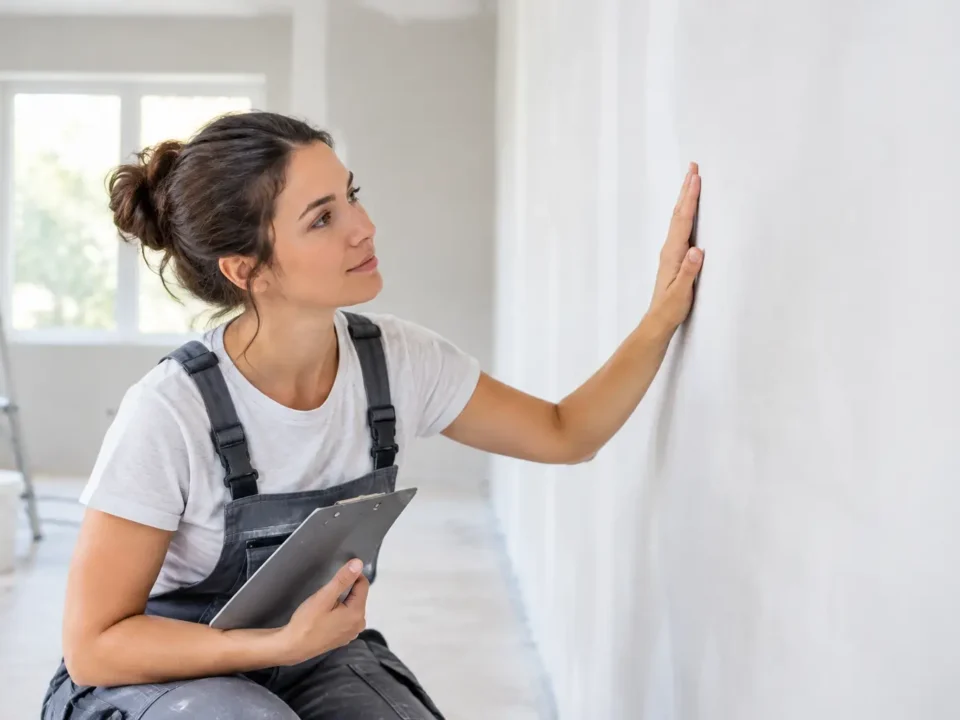
Good taping work is easy to overlook, and that is exactly the point. Seams should vanish into the board. Corners should be straight and crisp without looking bulky. Patches should blend into the surrounding surface instead of announcing where the repair happened.
There is also a balance between speed and control. Rushing leads to shrinking, cracking, poor adhesion, and too much sanding. Overbuilding the area with compound creates humps that become visible later. The right approach depends on the condition of the drywall, the scope of the repair, and the finish expected at the end.
In occupied homes or active commercial spaces, another part of quality is job control. Dust management, protection of nearby surfaces, and clear communication matter. Clients are not only paying for mud and tape. They are paying for a result and a process they can trust.
New construction, renovation, and repair all need a different approach
Not every project calls for the same method. New drywall installation usually offers the cleanest starting point, but it still requires consistency across an entire space. One bad seam in a long hallway or one rough ceiling under direct light can stand out immediately.
Renovation work is more variable. You may be tying new drywall into old surfaces, correcting framing irregularities, or dealing with previous repairs that were not done well. Matching existing textures or transitioning to a smooth finish takes judgment, not just routine application.
Repair work is more specific. A small patch after plumbing access, a cracked corner, water damage around a ceiling, or emergency damage after an incident all require careful blending. Small jobs can be just as demanding as large ones because the finished area has to disappear into what is already there.
That flexibility matters. Many clients do not need a whole-house project. They need one room fixed properly, one ceiling updated, or one damaged section restored fast. A company that can handle both full-scale work and smaller urgent repairs offers real value.
When to hire professional drywall taping services
If the goal is a premium finish, professional help usually saves time and frustration. This is even more true when the walls will be painted in lighter colors, when ceilings are smooth, or when the room gets strong natural light. Those conditions expose every shortcut.
It also makes sense to bring in specialists when the project schedule matters. General contractors need reliable sequencing. Property managers need units turned over quickly. Homeowners living in the space need the work done efficiently and cleanly. In each case, delays in finishing affect everyone else downstream, especially painters.
Another common reason is correction. Many clients call after a previous drywall job looked acceptable at first but showed defects once primer or paint went on. At that point, fixing the finish usually takes more time than doing it right from the start.
What to look for before you book
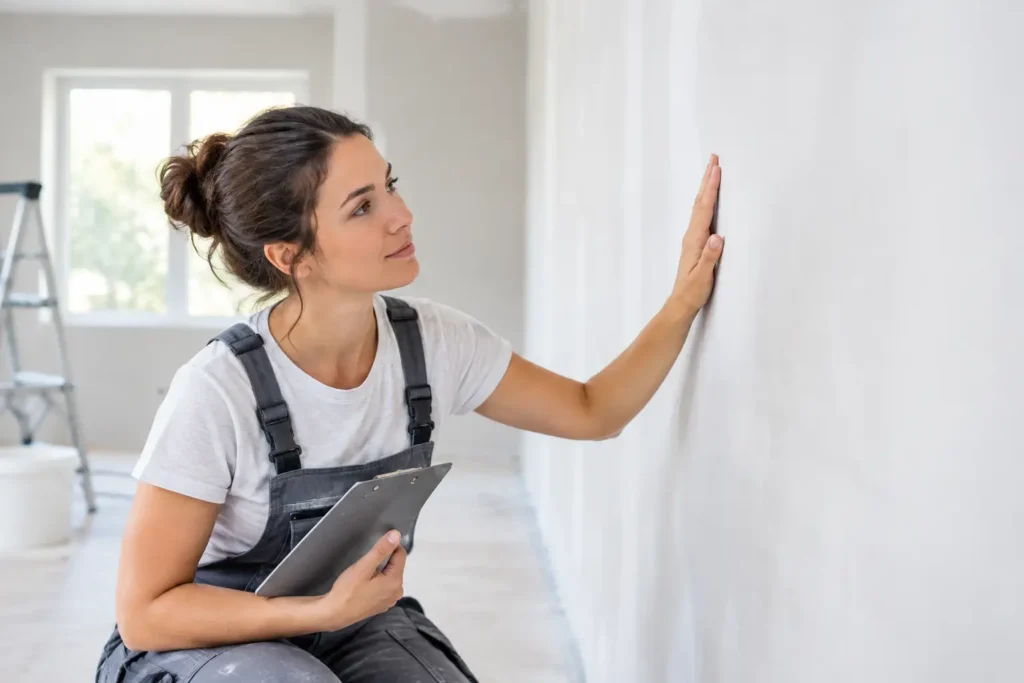
The first thing to look for is consistency in the finished work. Not just one close-up photo of a patch, but evidence that the company can produce straight lines, smooth ceilings, clean corners, and even surfaces across different kinds of projects.
It also helps to ask what finish level is being recommended and why. A reliable contractor should be able to explain whether Level 4 is appropriate or whether Level 5 is worth it for the space. The answer depends on lighting, paint sheen, room use, and your expectations.
Scope matters too. Some companies only want large jobs. Others are set up to take on repairs, ceiling updates, and urgent service calls as well. If your project is smaller, that can make a real difference in response time and attention.
Clear quoting is another sign of professionalism. You want to know what is included, what surface prep is expected, and whether the work involves repairs only or full finishing. A straightforward estimate saves confusion later.
Drywall taping services for ceilings, repairs, and upgraded finishes
Ceilings deserve special attention because they show flaws differently than walls. Light travels across them, especially in open rooms, and highlights changes in plane. That is why smooth ceiling work, popcorn ceiling removal, and ceiling repairs demand careful finishing from the first coat to final sanding.
The same goes for premium wall finishes. If you are aiming for a cleaner, more modern look, the drywall work has to support it. High-end paint cannot make weak finishing look better. It only reveals the surface underneath.
For commercial spaces, clean drywall finishing affects how the property presents to tenants, customers, and visitors. For residential interiors, it shapes how the home feels every day. In both cases, the value is not just technical. It is visual.
Why local experience can help on real jobs
In areas like Niagara, St. Catharines, and Hamilton, projects range from newer builds to older homes with uneven walls, dated textures, and repair history that complicates finishing. Local experience helps because the work is rarely one-size-fits-all. A crew that regularly handles both renovation challenges and clean new construction knows how to adjust without losing the finish quality.
That kind of experience also supports better scheduling and faster response when a repair cannot wait. Whether the need is a full taping and finishing package or a targeted patch before painting, practical service matters as much as technical skill.
TH Taping is built around that idea: precise drywall finishing, dependable service, and work that leaves walls and ceilings looking clean, smooth, and ready for the next step.
If you are looking at seams, cracks, patches, or an outdated ceiling and wondering whether it is worth fixing properly, the answer usually becomes obvious once the finish is done right. A smooth surface changes the whole room, and you should be able to see that quality every time the light hits the wall.