How Long Does Drywall Finishing Take?

How Long Does Drywall Mud Take to Dry?
22 junio, 2026
Drywall Patch vs Full Replacement
26 junio, 2026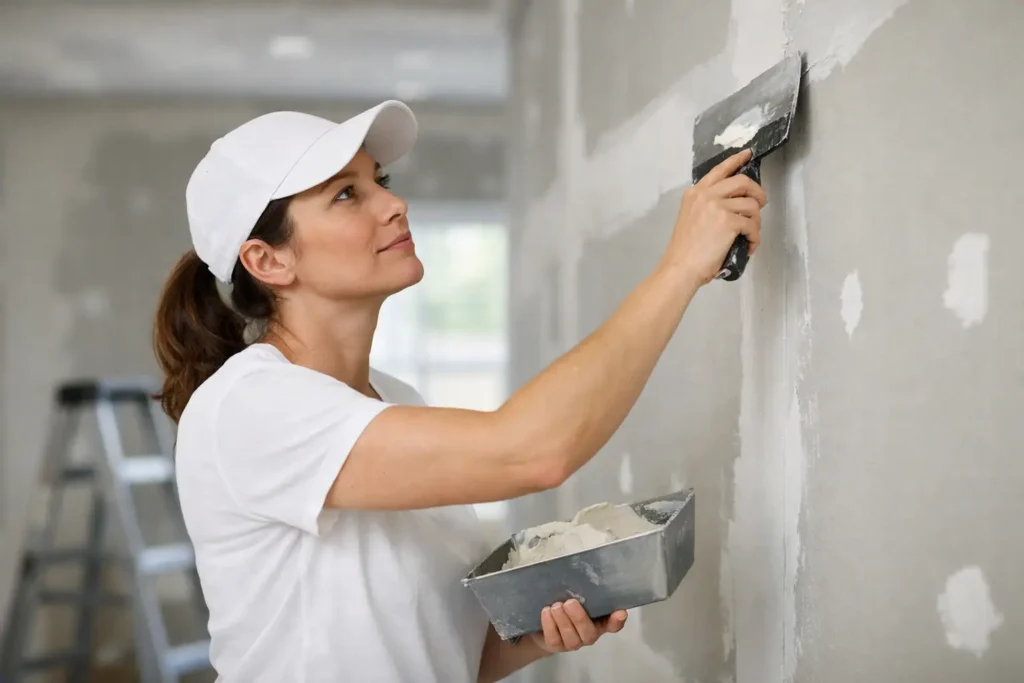
If you are planning drywall work around painters, flooring installers, tenants, or a move-in date, one question matters fast: how long does drywall finishing take? The short answer is that most standard jobs take 2 to 5 days, but the real timeline depends on the size of the space, the level of finish, drying conditions, and how much repair work is involved before the first coat even goes on.
Drywall finishing is not just about spreading compound and sanding it smooth. It is a layered process, and each stage affects the next one. If the goal is a clean, durable surface that looks right under paint and lighting, rushing it usually creates more delay later.
How long does drywall finishing take on most jobs?
For a small repair or patch, drywall finishing may be done in a single day or stretched into 2 days if drying time is slow. A single room often takes 2 to 3 days. A full basement, main floor renovation, or larger residential project commonly takes 3 to 5 days for finishing, sometimes longer if a Level 5 finish is required or site conditions are not ideal.
Commercial timelines can move differently. Larger crews may finish more square footage in less calendar time, but the process still depends on drying between coats. More hands can speed up application. They cannot force wet compound to cure properly if the temperature, humidity, and airflow are working against the schedule.
That is why any honest answer starts with a range instead of a fixed promise. The surface has to be ready for paint, not just covered.
What actually happens during drywall finishing
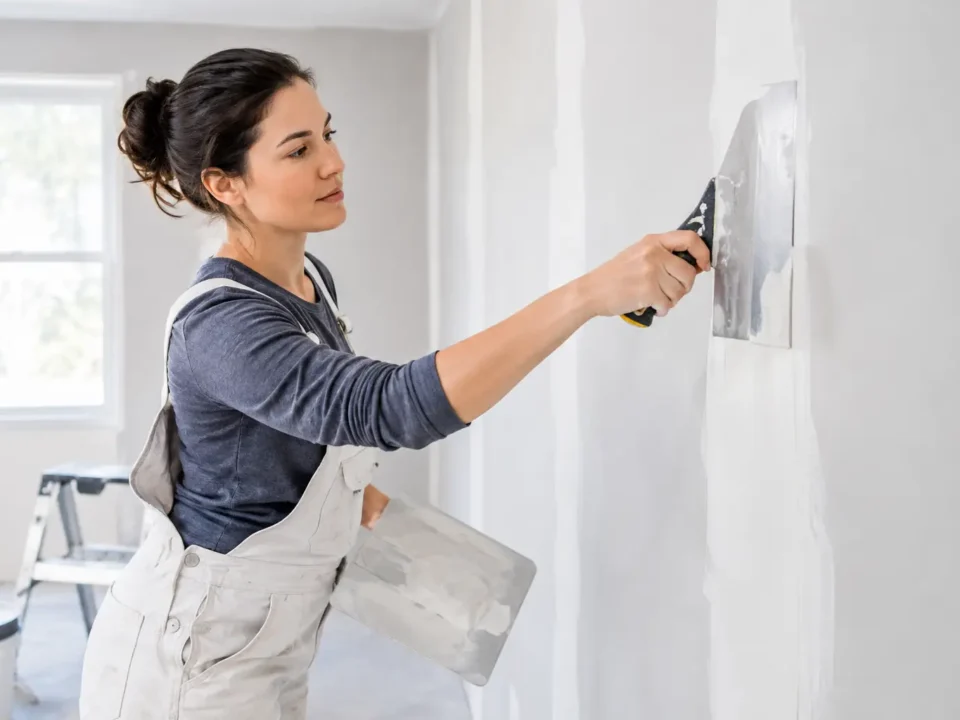
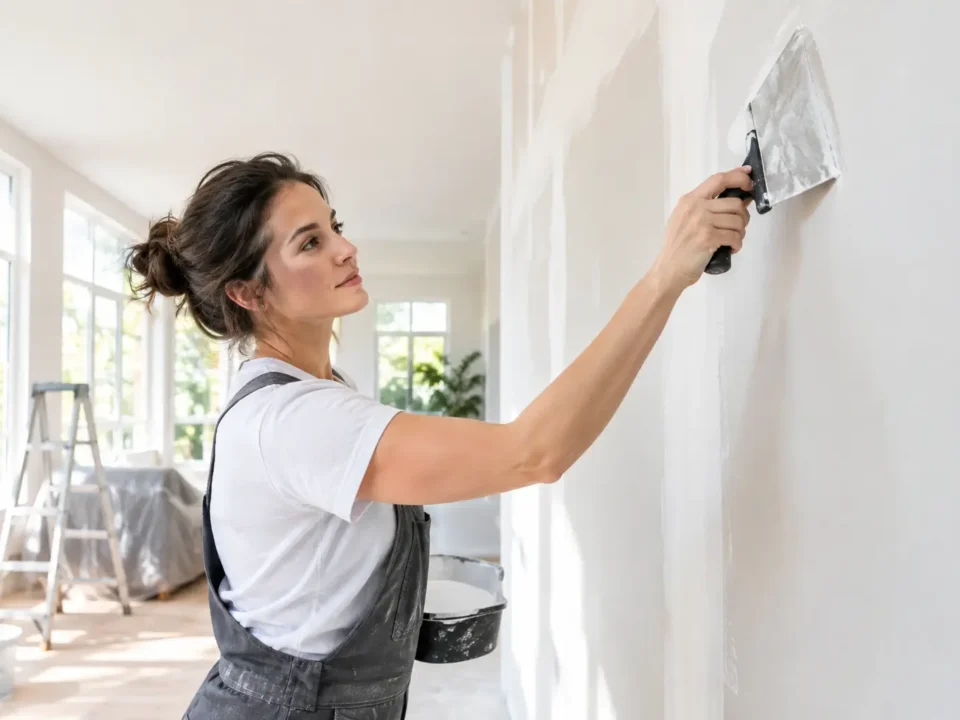
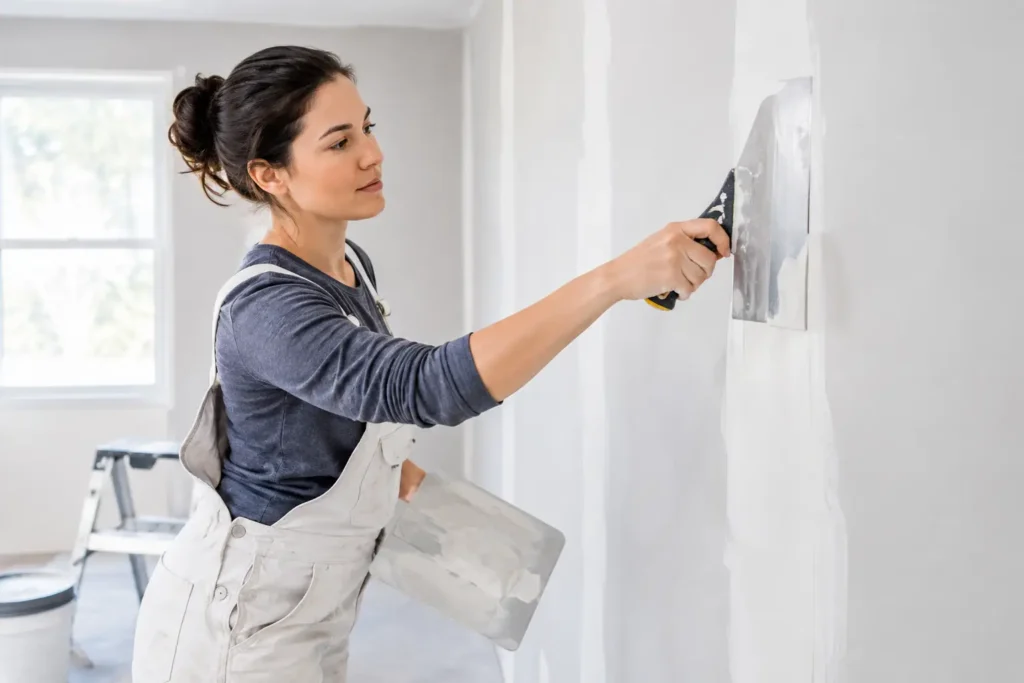
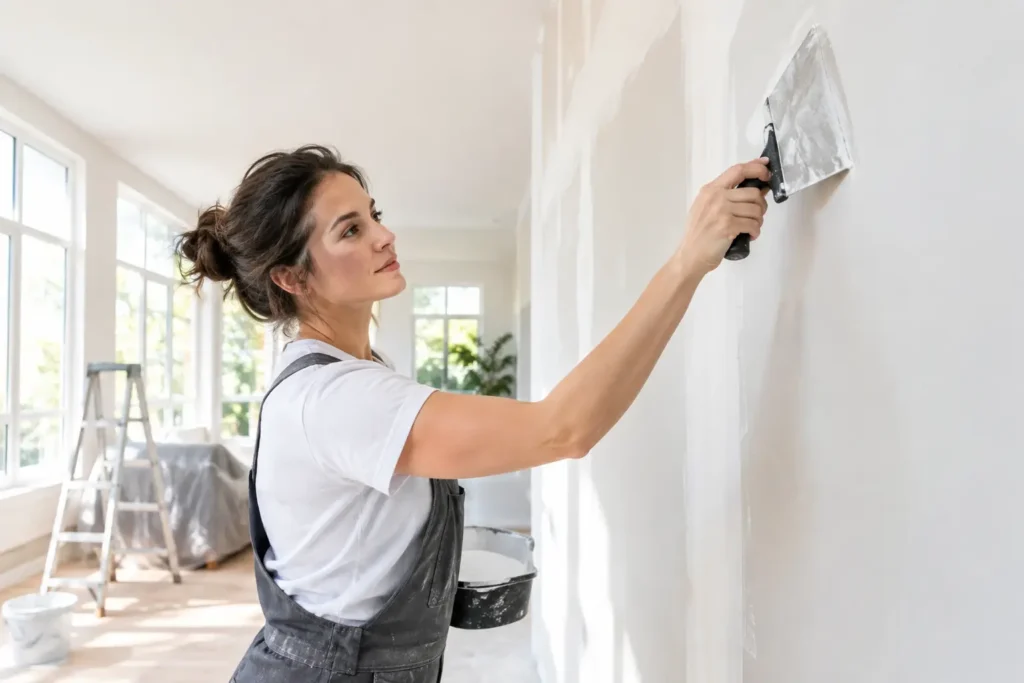
Drywall finishing usually includes taping joints, applying multiple coats of joint compound, covering fasteners, sanding, touch-ups, and making sure corners and transitions are clean. On higher-end jobs, it may also include a skim coat for a smoother final appearance.
The first coat is used to bed the tape and establish the joints. After that dries, additional coats build out the seams, feather edges, and reduce visible transitions. Sanding and detail work happen near the end, not the beginning. If sanding starts too early or on a poorly built-up seam, the result is often uneven surfaces that show up clearly after primer and paint.
For homeowners, this is where expectations matter. Drywall finishing time is not only labor time. It includes waiting time between steps, and that waiting time is part of getting the finish right.
The biggest factors that affect drywall finishing time
The size of the job is the obvious one, but it is not the only thing that changes the schedule. A small room with lots of corners, patches, bulkheads, or ceiling detail can take longer than a larger open space.
Humidity is a major factor. Joint compound needs time and proper conditions to dry. In damp basements, older homes with weak airflow, or projects running during wet weather, drying can slow down enough to add a full day or more. Good ventilation and stable indoor temperature help, but there are limits.
The finish level also matters. A standard paint-ready finish may move faster than a premium wall or ceiling finish designed for smooth paint and critical lighting. Level 4 is common for many interiors. Level 5 takes more time because it adds an extra skim coat or surface treatment to reduce visible imperfections across the whole surface.
Repairs can also stretch the timeline. Water damage, cracked seams, loose tape, damaged corners, or previous bad patchwork need to be corrected before proper finishing begins. If the base is not sound, applying fresh compound on top does not solve the problem.
How long each stage usually takes
On a typical project, the first day is often used for taping, first coat application, corner bead work, and setting the base for the finish. Depending on the material used and site conditions, that coat needs to dry before the next one can go on.
The second day usually handles the fill coat. This is where joints are widened, fasteners get another pass, and the surface starts looking more uniform. In some cases, a fast-setting compound helps with progress, but not every part of the project should be rushed with hot mud just to save a few hours.
The third day often includes the final coat, detail work, and sanding prep. If the finish is straightforward and drying has gone well, sanding and touch-ups may happen the same day or the next morning.
For a higher-end finish, especially on ceilings or walls that will receive flat, low-sheen, or specialty paint under strong light, another day may be needed for skim coating, final sanding, and surface correction. That is one reason the answer to how long does drywall finishing take can shift from 3 days to 5 or more without anything going wrong.
Repairs vs. new drywall installation
New drywall in open framing is often more predictable than repair work. Fresh board gives the finisher a consistent surface, straight joints, and fewer surprises. Repairs are different. Existing walls may have hidden issues, uneven surfaces, old texture transitions, or framing movement that has to be addressed before the patch disappears cleanly.
A simple hole patch can be taped and coated quickly, but matching an existing wall or ceiling is where the skill comes in. If the goal is for the repair to blend in, not just close the hole, more time may be needed for feathering, drying, and sanding. That is especially true on smooth ceilings, where flaws are easy to spot.
Ceilings usually take longer than people expect
Ceilings are less forgiving than walls. Light hits them differently, and any ridges, flashing, or shallow sanding marks tend to show. Working overhead is also slower and more physically demanding.
If a project includes popcorn ceiling removal followed by a smooth ceiling finish, the timeline usually extends beyond a basic wall finish job. Surface prep, repair of damaged areas, skim coating, and careful sanding all add time. The final result can look dramatically better, but it is not a same-day transformation in most homes.
Can drywall finishing be done faster?
Sometimes, yes. Smaller jobs, experienced crews, proper site conditions, and the right mix of materials can shorten the calendar. Fast-setting compounds are useful in some phases, and controlled airflow can help drying move along.
But there is a difference between efficient and rushed. Drywall that looks fine under work lights can reveal every shortcut after primer and paint. Over-sanding, under-filled seams, shrinking compound, and visible joints often come from trying to force the process too quickly.
A reliable contractor will usually give you a realistic range, explain what could affect the timing, and build the schedule around a paint-ready result instead of a hopeful guess.
How to plan around the drywall finishing timeline
If you are coordinating trades, it helps to treat drywall finishing as a stage that needs breathing room. Painters should not be booked for the next morning unless the finish is fully dry, sanded, checked, and ready. Flooring, trim, and fixtures may also need to wait depending on dust control and access.
For occupied homes, ask early about noise, dust, room access, and whether furniture needs to be cleared. For rental units, retail spaces, or commercial interiors, the better approach is to discuss deadlines upfront so the finishing schedule fits the broader job sequence.
In markets like Niagara, St. Catharines, and Hamilton, where weather and seasonal humidity can shift indoor drying conditions, realistic scheduling matters even more. A clean finish depends on both workmanship and timing.
When the fastest option is not the cheapest option
There are times when speed costs more. Extra labor, return visits, special compounds, or off-hours scheduling can all affect the quote. That does not mean a faster timeline is wrong. It just means it should be intentional.
The best value usually comes from getting the job done once, with the finish level matched to the space. A utility room, a rental turnover, a luxury renovation, and a commercial office do not all need the same finishing approach. What matters is choosing the right one for the surface, the lighting, and the final look you expect.
If you are asking how long does drywall finishing take, you are really asking when the space will be truly ready for the next step. The honest answer is that good finishing takes as long as the surface needs – and when it is done right, that time shows in every clean wall and ceiling after the paint goes on.