Niagara Drywall Service for Basements

Popcorn Ceiling Removal Guide for Clean Results
8 junio, 2026
Smooth Ceiling Finishing Service That Lasts
10 junio, 2026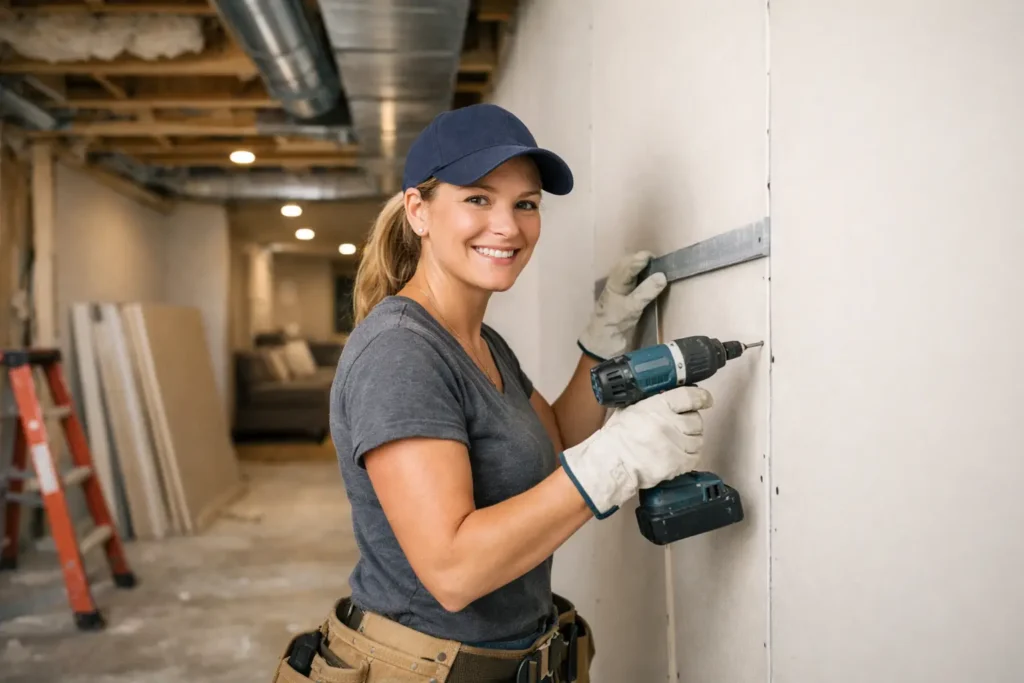
A basement shows every shortcut.
Low light, exposed mechanicals, uneven framing, moisture history, and tight corners all make finishing work harder than it looks. That is exactly why choosing the right Niagara drywall service for basements matters. When the boards are hung correctly, the seams are taped with care, and the finish is matched to the space, the result feels clean, solid, and ready for paint instead of looking like a lower-level afterthought.
What makes basement drywall work different
A basement is not just another room with drywall on the walls. It usually has more variables than a main-floor renovation. Ceiling heights can change under ducts and beams. Concrete walls may need furred framing. Existing surfaces may already have cracks, stains, or old patchwork from previous work.
That changes how the job should be approached. Good basement drywall work starts with the condition of the space, not just the square footage. If there has been any moisture issue, that has to be addressed before finishing begins. If the framing is uneven, the final surface can only look as good as the base behind it. A smooth finish depends on preparation, not just mud and sanding.
For homeowners and contractors, this is where experience shows. A basement can look simple at first glance, but the details decide whether the finish stays clean over time or starts showing seam lines, corner movement, and visible imperfections once the paint goes on.
Niagara drywall service for basements that fits the project
Not every basement needs the same level of finish. A utility area, a rental unit, a family room, and a home office all call for different decisions. The right service should match how the basement will be used, how much light the space gets, and what finish standard you want in the end.
If the basement is being finished as a living space, clean taping and a consistent final coat matter much more because every wall will be visible. If recessed lighting or large windows are part of the design, flaws become easier to spot. That is when a higher finish level can make a real difference.
For some projects, a Level 4 finish is the right fit. For others, especially where smooth walls and ceilings are expected under stronger lighting, Level 5 may be worth it. The best choice depends on the space, the paint, and the visual standard you want to achieve. A good contractor should explain that clearly instead of pushing the same finish on every job.
Walls, ceilings, and bulkheads need different attention
Basement walls often get most of the focus, but ceilings and bulkheads are where poor work becomes obvious fast. Long seams across a low ceiling, transitions around ductwork, and outside corners around boxed-in beams need precision. If those areas are rushed, the whole room feels unfinished even if the walls are decent.
Ceilings also demand better sanding control and cleaner feathering because light travels across them differently. In a basement with pot lights, every ridge and joint can show. That is why experienced taping and finishing work matters just as much as the initial board installation.
Common basement drywall problems to avoid
One of the biggest mistakes in basement finishing is treating small issues like they do not matter. A slight bow in framing, an unaddressed crack, or a rough patch near a stair opening can stand out once paint hits the surface. Basements do not hide bad finishing. They often expose it.
Another issue is patch-heavy work done without blending. In many basements, new drywall meets old drywall from previous renovations. If those transitions are not handled properly, you end up with visible repair zones rather than one consistent finish. The same goes for ceilings after popcorn removal or repair work around plumbing and electrical changes.
Moisture is the other factor that should never be guessed at. Drywall finishing should come after the space is stable and dry. If there is a history of dampness, that needs to be solved first. No finish, no matter how clean, will perform well over a problem surface.
Small repairs matter too
Not every basement project is a full remodel. Sometimes the need is more direct – a ceiling patch after a leak, wall repairs after electrical work, corner damage near stairs, or cracked seams that need to be corrected before repainting. These jobs still need proper finishing if you want the repair to disappear instead of calling attention to itself.
That is where specialized drywall service adds value. Smaller jobs often get overlooked by companies focused only on large builds. But for a homeowner or property manager, a clean patch that blends properly can be just as important as a full basement finish.
What to expect from a professional basement drywall finish
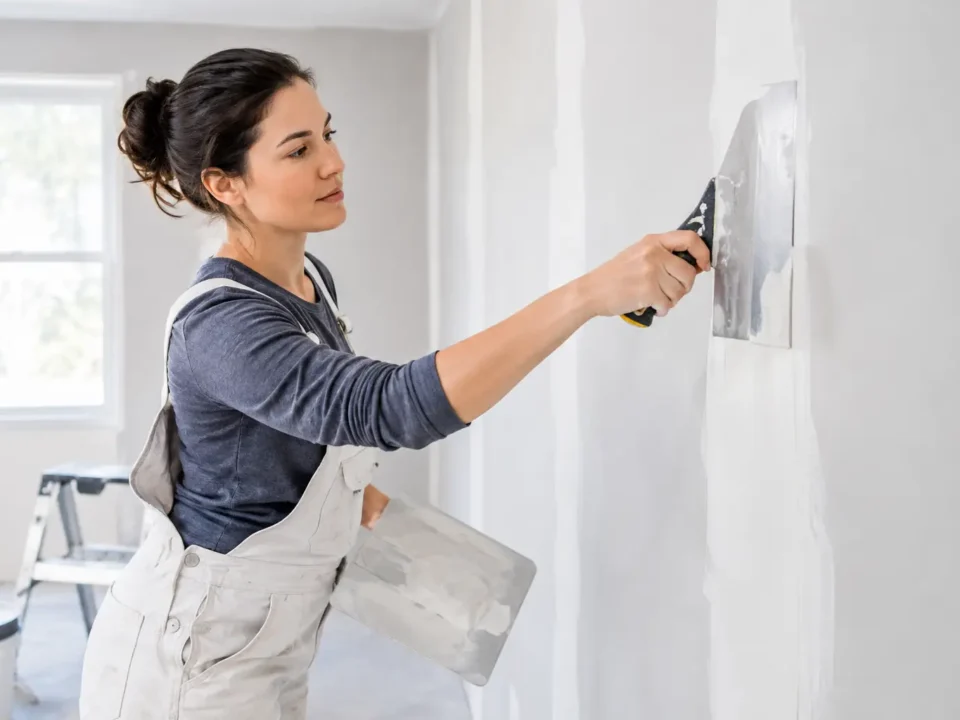
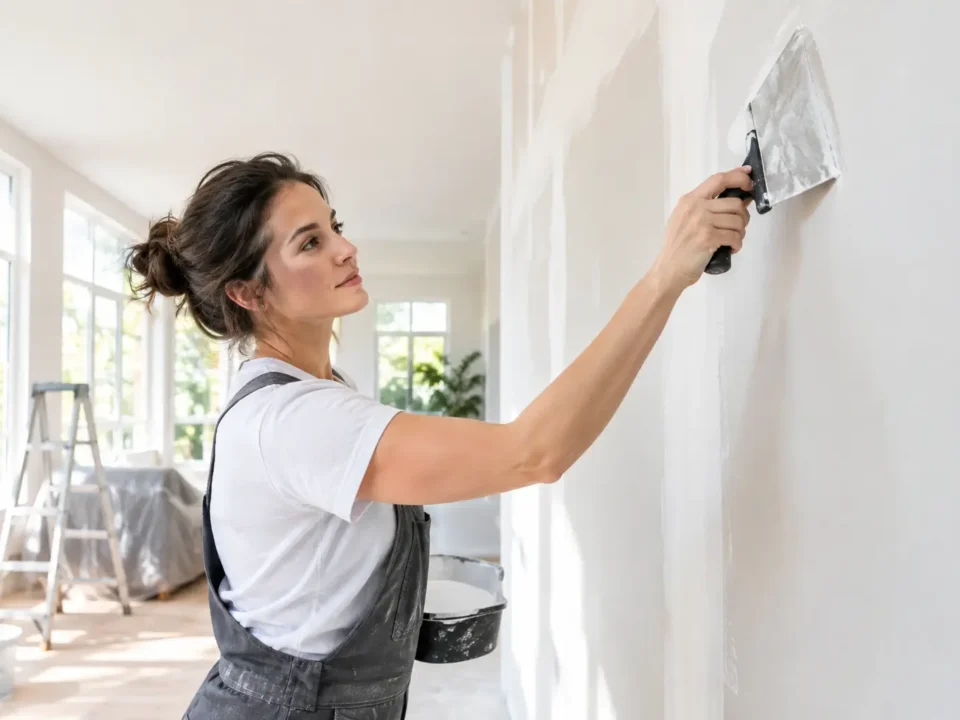
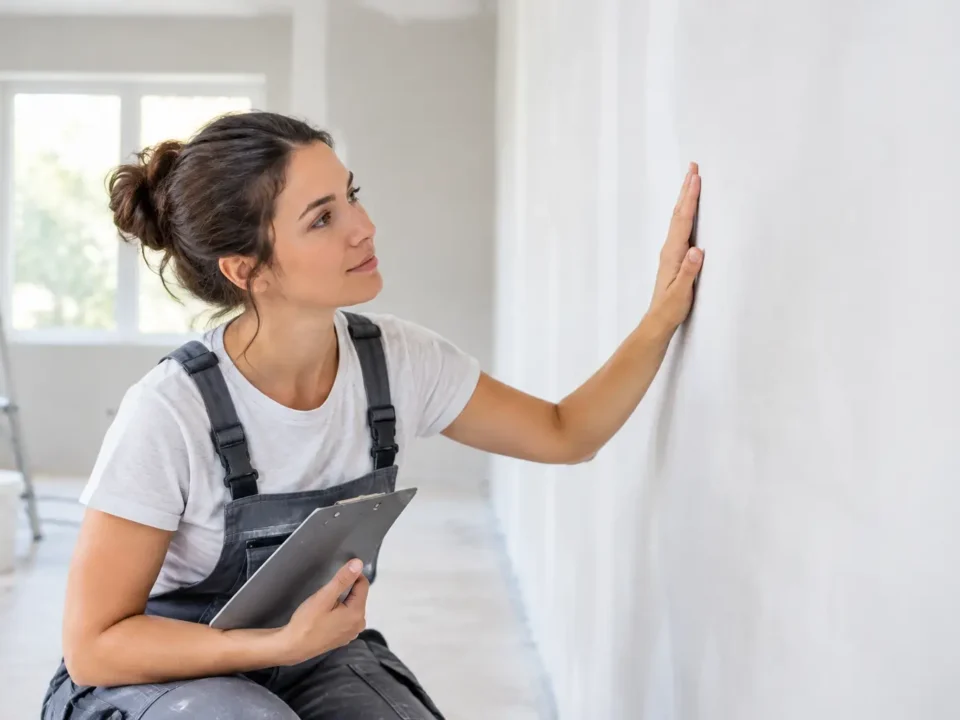
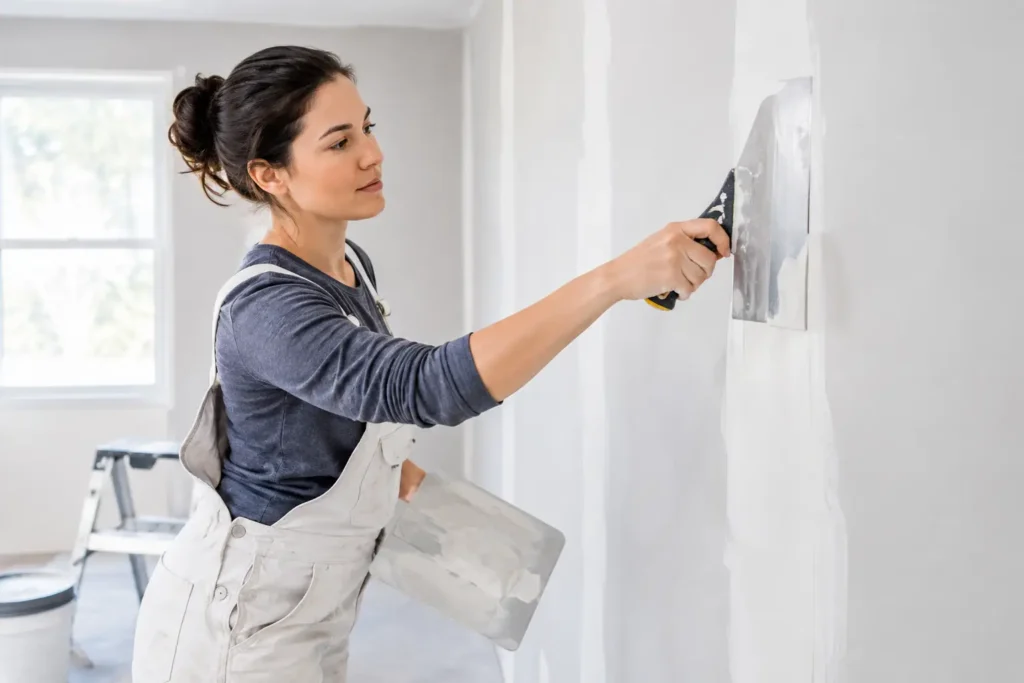
A professional result is not just about getting drywall installed and covered with compound. It is about how the space looks after primer, paint, and everyday use. Joints should fade into the wall. Corners should feel straight and durable. Ceiling lines should look deliberate, not wavy.
You should also expect a practical process. That means clear communication about the scope, realistic timelines, and honest guidance about the finish level that suits the basement. Some areas may need extra prep. Some ceilings may benefit from a smoother skim coat. In other cases, a targeted repair and refinishing approach is enough.
A good contractor will also understand the value of keeping the work clean and organized. Basements are often active parts of the home, even during renovations. Dust control, material handling, and respect for the rest of the property matter.
When smooth ceilings make the biggest difference
Many older basements still have dated ceiling textures or patchwork from past changes. Replacing that with a smooth ceiling can change the whole feel of the room. It looks more current, reflects light better, and helps the basement feel more like finished living space than storage below grade.
That said, smooth ceilings require careful work. They are less forgiving than textured surfaces, especially under direct lighting. If the goal is a cleaner, more modern basement, this is one area where skilled finishing really pays off.
For renovation projects in Niagara, St. Catharines, and Hamilton, this often comes up when homeowners want to turn a basement into a rec room, guest suite, office, or rental space. The ceiling finish can be the difference between a space that feels complete and one that still feels halfway done.
Choosing a drywall team for basement work
The best fit is usually a team that understands both full-project finishing and smaller repair work. Basement jobs are rarely perfect, predictable boxes. They involve transitions, touch-ups, adjustments, and details that need patience. You want a company that takes the finish seriously from start to final sanding.
Ask how they handle repairs, ceiling work, finish levels, and problem areas like bulkheads or previous damage. Look for consistency in the finished surface, not just speed. Fast work can be useful, but only if the final result still holds up visually.
TH Taping is here to help with basement drywall finishing, taping, smooth ceiling work, repairs, and detail-focused results that leave the space ready for paint. For homeowners, contractors, and property managers, that means getting work completed with the kind of care that shows in the final surface.
A finished basement should look intentional
A good basement does not feel like a compromise. It feels like part of the home. That only happens when the drywall finish is straight, smooth, and built around the real conditions of the space.
If your basement needs new drywall, patchwork, ceiling updates, or a better finish before painting, the right approach is simple: fix the underlying issues, match the finish to the room, and do the detail work properly. That is how a basement starts looking finished for real, not just covered up until the next flaw appears.