Drywall Repair Versus Resurfacing Explained

Guide to Drywall Repairs After Renovations
28 septiembre, 2026
Drywall Primer vs Sealer: Which Do You Need?
2 octubre, 2026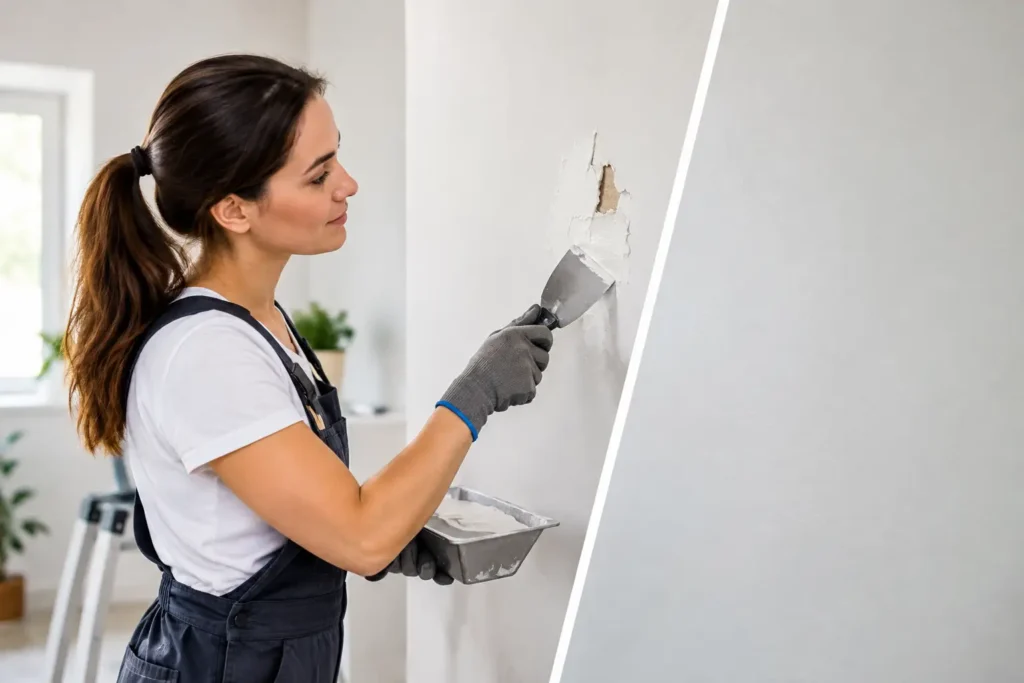
A wall can look like it needs a complete makeover when the real problem is one loose tape joint or a poorly patched hole. Other times, a few visible cracks are only the surface sign of broader wear. That is why the choice between drywall repair versus resurfacing matters before you paint, renovate, or prepare a property for new tenants. The right approach protects your budget while giving you the clean, durable finish you expect.
Drywall Repair Versus Resurfacing: The Core Difference
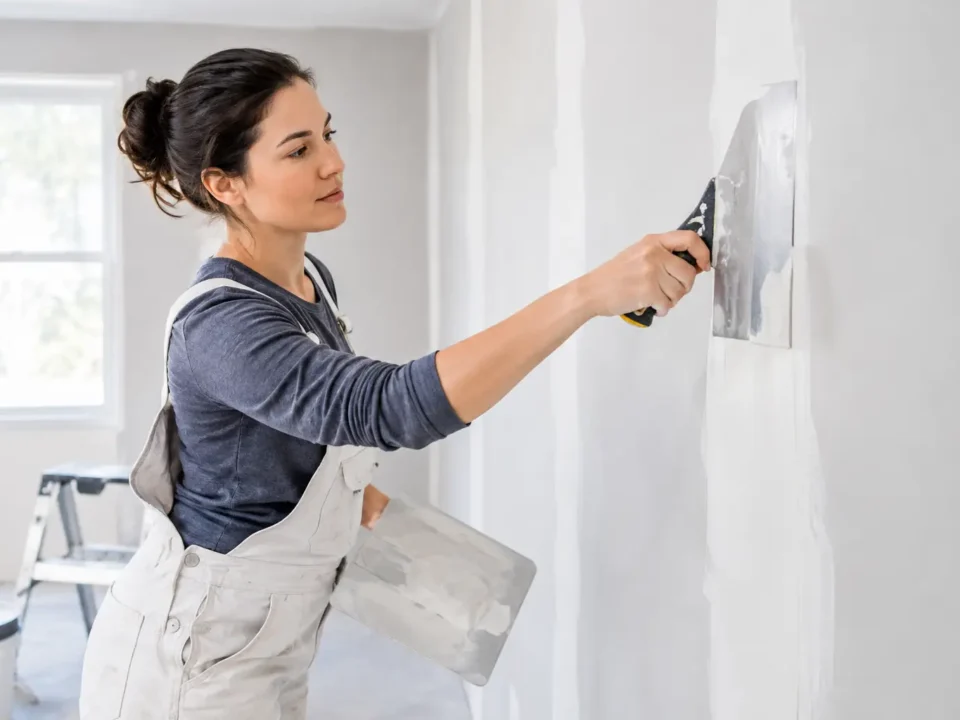
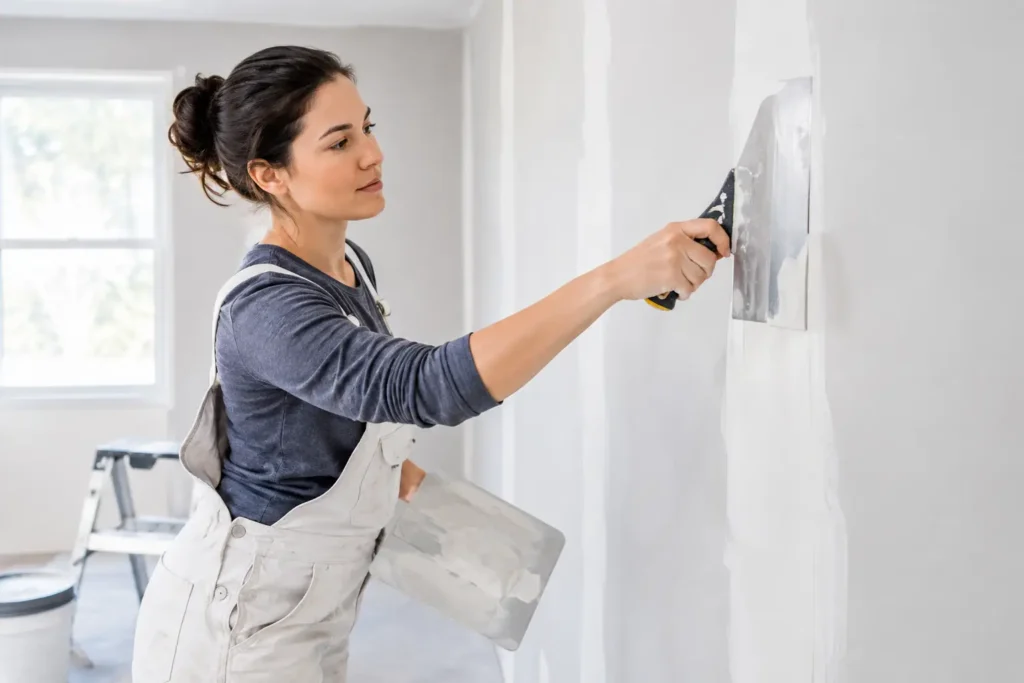
Drywall repair corrects a specific damaged area. It may involve patching a hole, replacing a section of damaged board, securing loose drywall, repairing a crack, retaping a failed joint, or applying compound to blend a repair into the surrounding surface. The goal is to restore the wall or ceiling where the problem exists without disturbing sound areas.
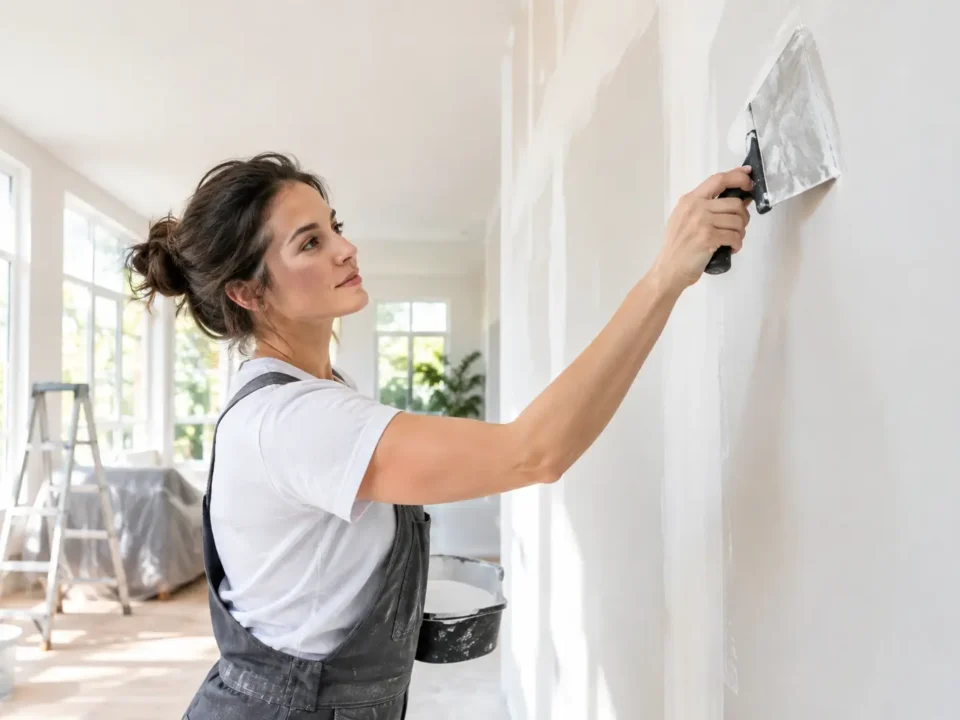
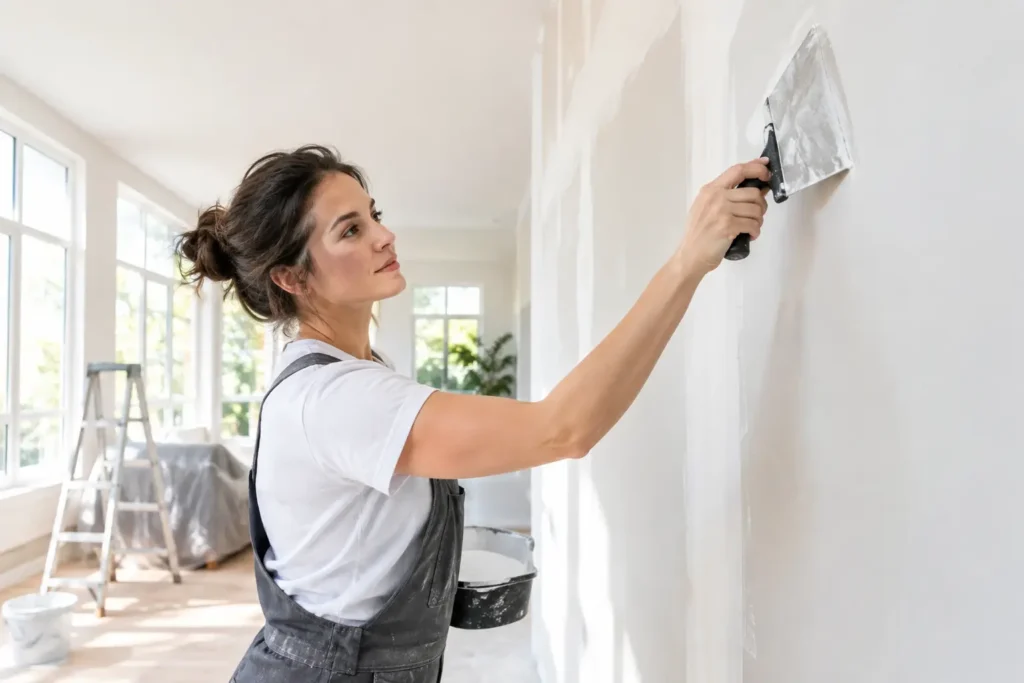
Resurfacing, often called skim coating, addresses the appearance and texture of a larger area. A drywall finisher applies one or more thin coats of joint compound across a wall or ceiling to create a fresh, uniform plane. It is commonly used to cover heavy texture, old patchwork, minor surface inconsistencies, sanding marks, or tired finishes that will show through paint.
Neither option is automatically better. Repair is targeted and efficient. Resurfacing is broader and more transformative. The best choice depends on what is causing the visual problem, how much of the surface is affected, and the finish level you want when the work is complete.
When a Targeted Drywall Repair Makes Sense
Repair is usually the practical answer when damage is isolated and the surrounding drywall is stable. A door-handle hole, a small plumbing access opening, a dent from moving furniture, or a crack at one joint does not automatically call for skim coating an entire room.
A professional repair does more than fill an opening with compound. The damaged material must be assessed first. If drywall is soft from moisture, simply covering it will not solve the issue. The affected board may need to be removed, the source of moisture addressed, and new drywall installed before taping and finishing begin.
The same principle applies to cracks. Hairline cracks can result from normal seasonal movement, but recurring or widening cracks may point to framing movement, settling, or a poorly installed joint. A lasting repair requires the joint to be properly prepared, retaped when needed, coated in stages, sanded, and blended so the repair does not telegraph through the paint.
Targeted repair is often the right choice when:
- Damage is limited to one or a few locations.
- The existing wall texture is in good condition and can be matched.
- You need a fast fix before painting, listing a home, or completing a turnover.
- The wall has a sound finish outside the damaged area.
The trade-off is that matching an older wall can be difficult. Even a well-executed repair may stand out if the surrounding surface has uneven texture, prior roller marks, sun fading, or years of small touch-ups. That is where resurfacing can become the better visual investment.
When Resurfacing Is the Better Investment
Resurfacing is designed for walls and ceilings that are structurally sound but visually inconsistent. It creates a clean canvas by leveling the surface rather than chasing each imperfection one at a time.
This approach is especially valuable after popcorn ceiling removal. Removing texture can expose uneven drywall, old repairs, seam lines, and gouges that paint will not hide. A skim coat followed by careful sanding gives the ceiling the smooth, continuous appearance most homeowners want from a modern finish.
Resurfacing is also a strong option when a room has many old patches. Individually repairing every nail pop, dent, patched opening, and seam may cost less at first, but the finished wall can still look uneven under bright paint or side lighting. A full skim coat brings those areas together and reduces the patchwork appearance.
Consider resurfacing when the wall or ceiling has widespread cosmetic issues such as repeated repairs, heavy texture, visible joint lines, rough previous finishing, or broad areas of minor damage. It is also appropriate when you are upgrading a space with smooth walls, dark paint, satin or gloss finishes, or strong natural light. These conditions expose imperfections quickly.
For premium interiors, a Level 5 finish may be worth considering. Level 4 finishing is suitable for many standard painted walls, but a Level 5 finish adds a skim coat over the full surface to minimize the effects of critical lighting. It is often selected for high-end renovations, open-concept rooms with large windows, and commercial spaces where presentation matters.
Cost, Time, and Disruption: What Changes Between the Two?
A small drywall repair generally uses less material and labor than resurfacing an entire room. It can also be completed more quickly, particularly when the repair is limited and access is simple. However, proper drywall finishing still takes time because joint compound must dry between coats. Rushing this process can lead to shrinkage, cracking, or visible edges after paint.
Resurfacing costs more because it covers more square footage and requires multiple application and sanding stages. Furniture may need to be moved or protected, and sanding dust requires careful containment and cleanup. For an occupied home, that extra preparation matters.
Yet cost should be measured against the final result, not just the first quote. If a room needs repairs in several places and you plan to repaint every wall, resurfacing may prevent the frustration of seeing old flaws reappear once the new color is on. Conversely, skim coating a single small scuff or hole is usually unnecessary work.
Ceilings deserve special consideration. They are harder to access, more demanding to finish evenly, and highly visible under overhead lighting. If ceiling damage is isolated, a repair may be enough. If the entire ceiling has old texture, uneven patches, or broad staining after the underlying issue has been resolved, resurfacing can provide a far cleaner result.
Start With the Cause, Not Just the Surface
Before choosing either service, identify what created the damage. Water stains require a leak or moisture source to be corrected first. Repeated cracks may need a closer look at movement around doors, windows, or ceiling joints. Bubbling paint can signal moisture, poor adhesion, or a previous repair that was never properly prepared.
Painting over these conditions is rarely a fix. Paint can improve color, but it does not flatten raised seams, hide uneven patch edges, or stabilize loose tape. In fact, fresh paint often makes wall flaws easier to notice because it creates an even color that highlights changes in texture and sheen.
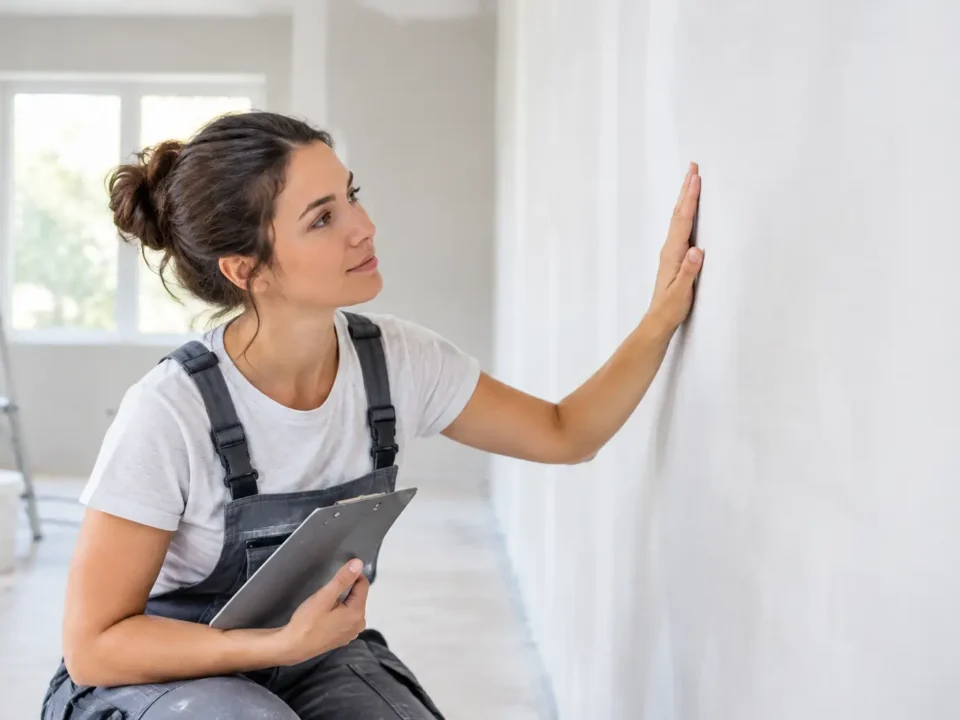
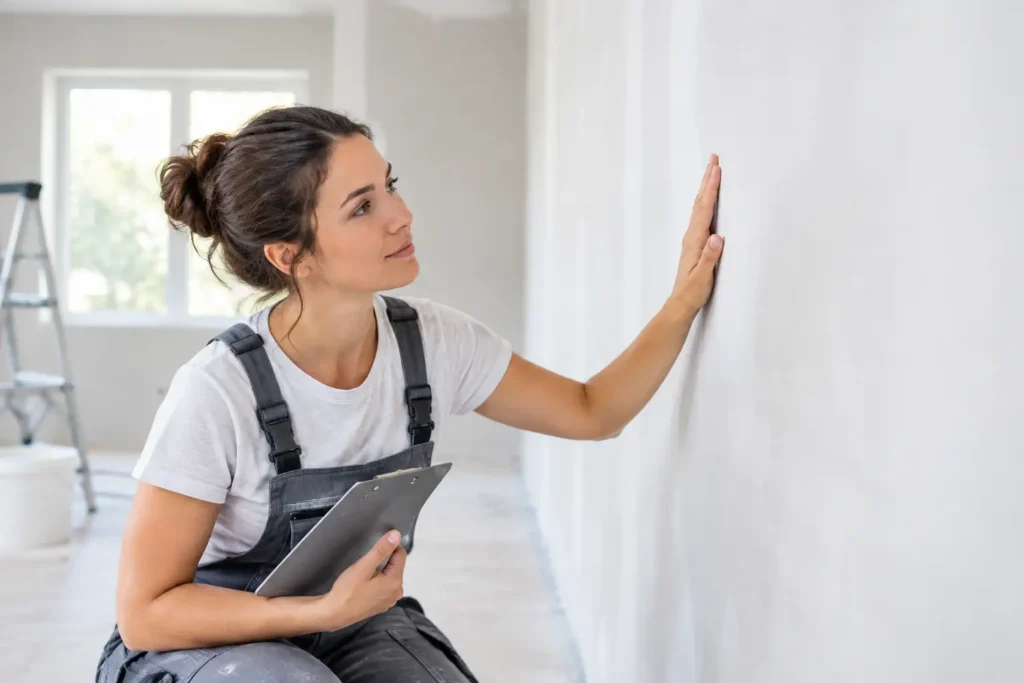
A proper assessment also helps determine how much surface should be addressed. A contractor should look beyond the most obvious defect and check adjacent joints, drywall condition, texture, lighting, and the type of paint you plan to use. This prevents a small repair from becoming an unexpected redo after the painters arrive.
What a Professional Finish Should Look Like
Whether the job calls for repair or resurfacing, the standard is the same: the finished surface should look flat, clean, and intentional. Joints should disappear under normal lighting. Patches should blend into the surrounding wall. Corners should be crisp, and the surface should be ready for primer and paint without visible ridges or sanding scratches.
The difference often comes down to preparation and patience. Proper taping, thin controlled coats of compound, drying time, skilled sanding, and lighting checks are what separate a temporary cover-up from a finish that holds up. This is particularly true for smooth ceilings and walls where every imperfection has nowhere to hide.
For property managers and contractors, professional finishing also helps keep projects moving. A properly repaired or resurfaced surface gives painters, installers, and other trades a dependable starting point instead of creating delays from failed touch-ups.
Choose the Scope That Matches the Result You Want
If the issue is confined, stable, and easy to blend, drywall repair is usually the smart, efficient move. If the whole surface looks worn, uneven, textured, or full of old repairs, resurfacing offers a cleaner reset and a more consistent result under paint.
For homeowners and project teams in Niagara, St. Catharines, and Hamilton, TH Taping can assess the condition of your walls or ceilings and recommend the work that fits the actual problem. A free quote is a practical place to start, especially before paint, a renovation deadline, or a tenant turnover turns a small surface issue into a visible one.