Interior Wall Finishing Options That Look Better

Why Does Fresh Paint Show Seams on Drywall?
21 agosto, 2026
What Drywall Finishing Costs Really Include
25 agosto, 2026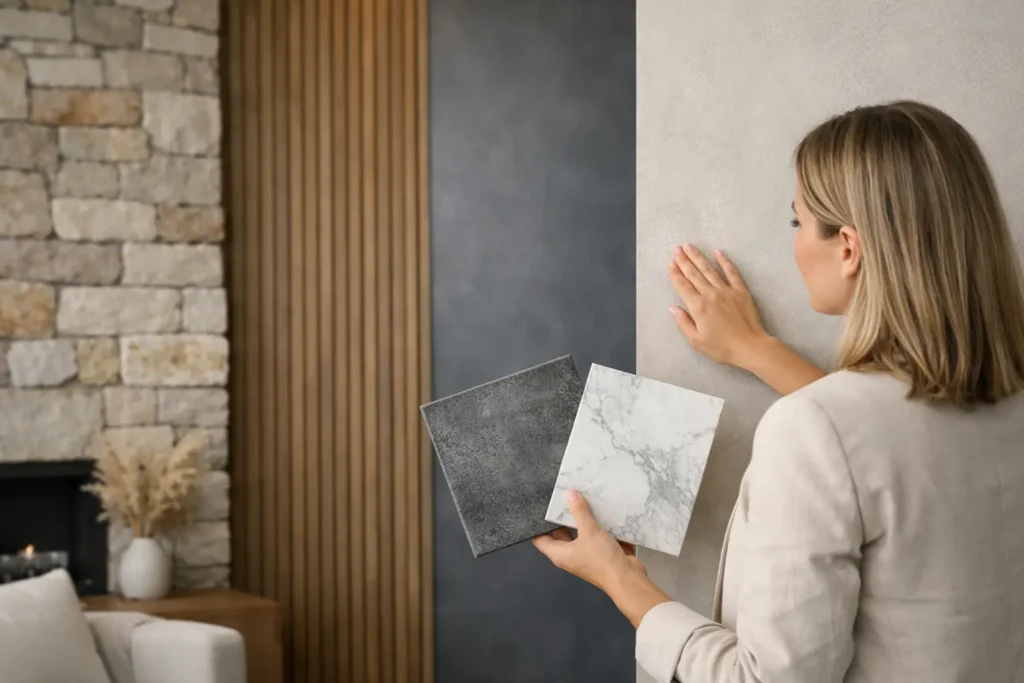
A wall can be structurally sound and still make an entire room feel unfinished. Visible seams, uneven texture, old patches, and poor light reflection show up quickly once paint goes on. Choosing the right interior wall finishing options is what turns installed drywall into a clean, durable, paint-ready surface that supports the look you want.
For homeowners, property managers, and contractors, the best choice depends on the wall condition, lighting, paint sheen, room use, and desired finish. Some projects need a straightforward repair and repaint. Others need a higher drywall finish level to prevent joints and fasteners from appearing under bright or angled light.
Start With the Condition of the Wall
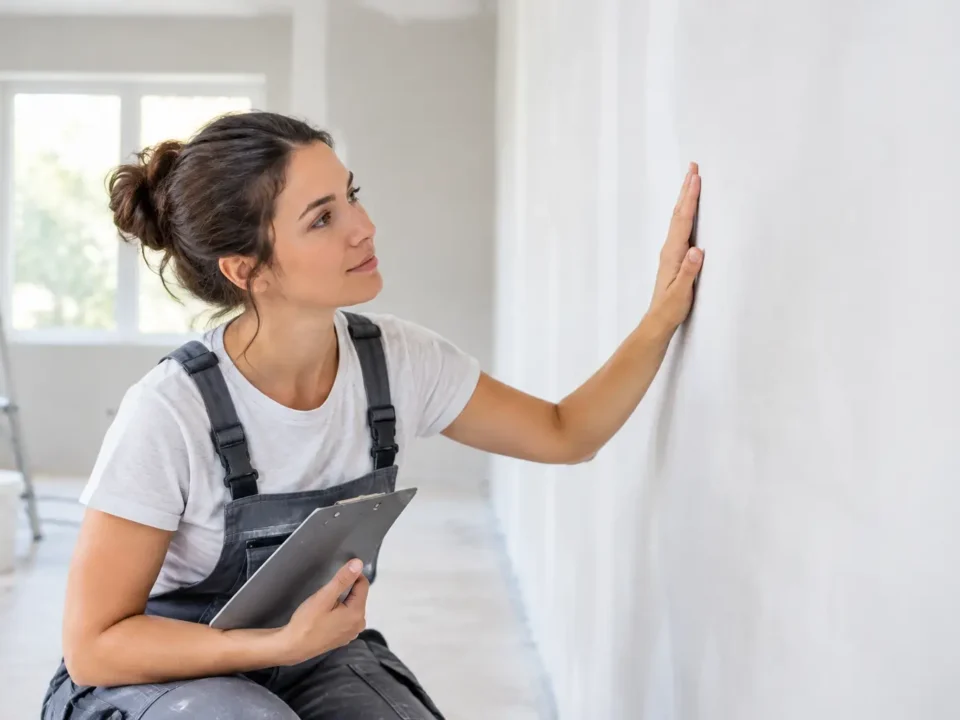
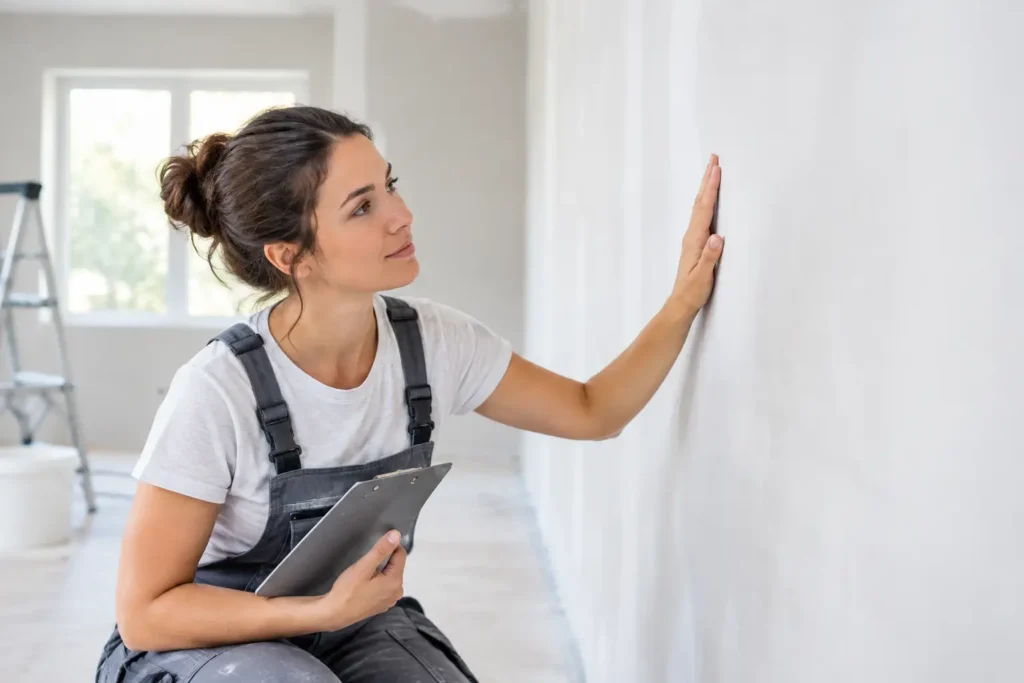
Before selecting a finish, look closely at what is already there. New drywall, repaired drywall, textured walls, plaster walls, and walls with water damage all require different preparation.
A small dent or nail-hole repair may only need patching, sanding, priming, and paint. A wall with multiple old repairs, cracked joints, or visible tape lines usually needs more extensive taping and finishing before any decorative treatment is applied. Painting over these problems rarely hides them. In many cases, it makes them more noticeable.
Lighting matters just as much as damage. Large windows, pot lights, wall washers, and glossy paint create raking light that exposes every imperfection. A finish that looks acceptable in a dim hallway may look uneven in a bright living room or commercial lobby.
Drywall Finish Levels: The Foundation of a Clean Wall
For most drywall projects, finish levels are the most practical way to define the expected result. They set the standard for how much joint compound, sanding, and surface preparation a wall receives before paint or another final covering.
Level 3 for Heavy Texture
Level 3 is generally used when a heavy texture will cover the wall. Joints and fasteners receive compound, but the surface is not intended for smooth paint or light finishes. This can work when a bold texture is planned, but it is not the right choice for modern smooth-wall interiors.
Level 4 for Most Painted Walls
Level 4 is the standard choice for many residential and commercial interiors. Drywall joints and fasteners are properly taped, coated, sanded, and prepared for flat or low-sheen paint. It creates a clean, consistent result for bedrooms, hallways, offices, rental units, and many renovation projects.
Level 4 is a strong value when the room has normal lighting and the selected paint is not highly reflective. It is also a practical option for walls that will receive a subtle texture. However, it has limits. Under direct sunlight or strong artificial lighting, minor surface variations can still be visible.
Level 5 for Premium Smooth Walls
Level 5 is the highest drywall finish level and is designed for walls and ceilings where appearance must hold up under demanding light conditions. In addition to detailed finishing at joints and fasteners, the entire surface receives a thin skim coat or specialized surfacing treatment.
This is often the right choice for smooth ceilings, open-concept living areas, entryways, luxury renovations, commercial spaces, and walls finished with satin, semi-gloss, or gloss paint. It also helps create a more uniform surface when dark paint colors are planned.
Level 5 takes more labor and preparation than Level 4, so it is not necessary for every room. But where light is unforgiving, it can prevent the disappointment of seeing seams, shadows, or drywall variations after the painting is complete.
Other Interior Wall Finishing Options
Once the drywall surface is properly prepared, the final wall treatment can be selected based on style, maintenance needs, and budget. The finish should complement the room, not create more upkeep or hide underlying problems temporarily.
Smooth Painted Walls
Smooth painted drywall remains one of the most popular choices because it is versatile, clean, and easy to update. It works with nearly every design style, from simple rental turnovers to detailed custom homes.
The key is preparation. Smooth paint does not hide flaws. In fact, higher-sheen paint makes poor finishing more visible. Flat and matte paints are more forgiving, while satin and semi-gloss finishes require a more refined substrate. If the wall must look crisp under strong lighting, the drywall finish needs to match that expectation before the painter arrives.
Light Texture
A light orange-peel or knockdown texture can help reduce the visibility of minor wall variations while adding subtle visual interest. It is commonly used in homes where a perfectly smooth finish is not required or where matching an existing textured wall is the priority.
Texture is not automatically the less expensive solution. Proper repairs and taping still matter underneath, especially around seams, corners, and patches. A new texture applied over uneven repairs can leave a wall looking inconsistent rather than intentional.
Decorative Plaster or Specialty Texture
Decorative plaster, hand-applied textures, and specialty coatings can create a distinctive feature wall or upscale finish. These treatments are best planned carefully because they are more difficult to repair or change later than paint.
They are usually most effective on a limited area, such as a fireplace wall, reception area, or accent wall. The base must still be flat, stable, and properly prepared. Decorative materials cannot correct loose tape, failed drywall joints, or moisture-related damage.
Wallpaper and Wallcovering
Wallpaper can add pattern, warmth, or a tailored commercial look, but it demands a smooth, even wall. Seams, dents, ridges, and drywall repairs can telegraph through the material, particularly with thin or light-colored wallcoverings.
A Level 5 finish is often worth considering for premium wallpaper installations. It provides a more uniform base and can make future removal less damaging when the surface has been correctly primed.
Wood Panels, Tile, and Other Coverings
Wood paneling, tile, stone veneer, and similar materials change the character of a room, but they require the correct substrate and installation approach. Tile in wet areas needs appropriate backer materials and waterproofing, not standard drywall alone. Heavy wall treatments may also need added support or framing.
These finishes can cover a wall, but they should never be used to ignore moisture damage, movement, or structural concerns. Fix the underlying issue first, then choose the visible finish.
Choosing the Right Finish for Each Room
There is no single best finish for every interior. A practical rental unit may benefit from a durable Level 4 finish with washable low-sheen paint. A living room with tall windows may justify Level 5 preparation to keep light from revealing surface defects. A basement repair may need moisture issues addressed before any finishing work begins.
Ceilings deserve the same consideration. Popcorn ceiling removal, for example, often reveals old repairs, seams, or uneven areas underneath. A smooth ceiling looks sharp, but it requires professional taping, finishing, and sanding to look consistent from every angle.
For commercial properties, the decision often comes down to appearance, durability, and scheduling. Offices, retail spaces, and common areas need finishes that look professional while allowing the project to move forward on time. Clear expectations about finish level before work begins help avoid expensive repainting or rework later.
Why Professional Taping and Finishing Makes the Difference
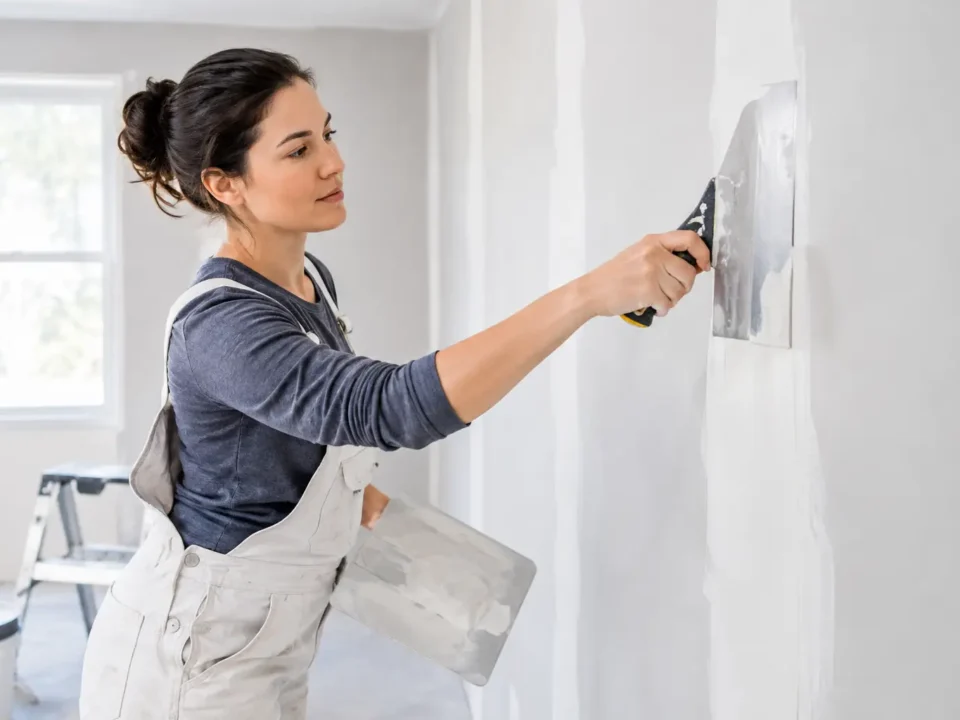
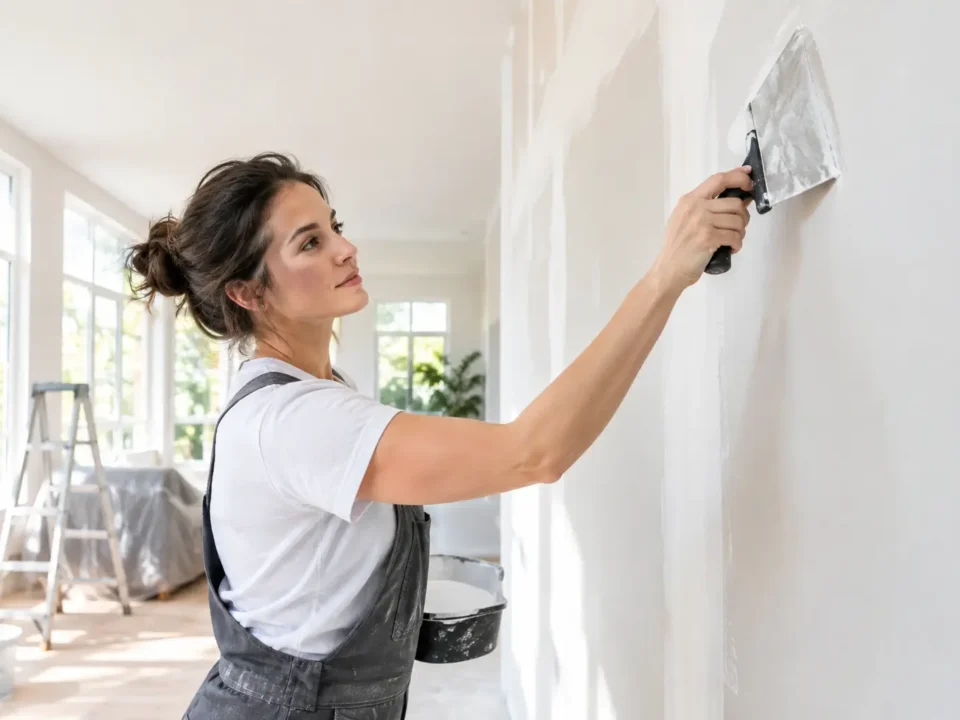
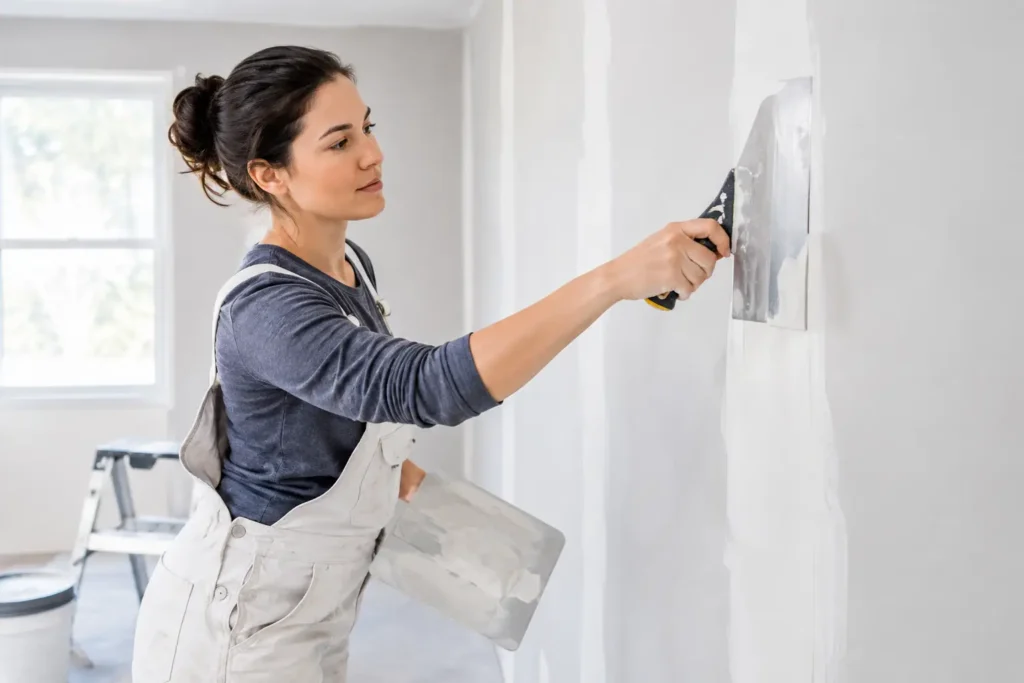
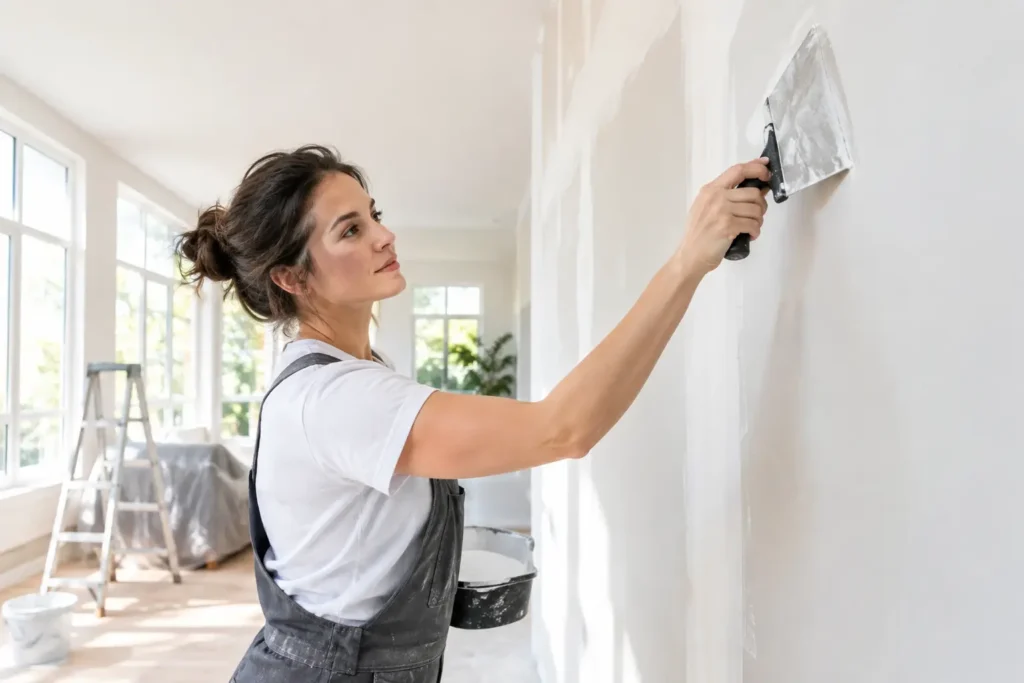
The quality of the final wall is determined long before the paint color is chosen. Proper taping, compound application, drying time, sanding, and inspection create the surface that every other finish relies on.
Rushed work can leave flashing, raised joints, visible fasteners, rough corners, and patch outlines. These issues may not stand out immediately, but they become obvious after primer and paint, especially in bright rooms. Skilled drywall finishers know where walls need extra attention and when a higher finish level is justified.
TH Taping helps homeowners, contractors, and property managers achieve clean drywall finishes for new work, repairs, smooth ceilings, and renovation projects across Niagara Region, St. Catharines, and Hamilton. Whether the job is a small emergency patch or a full interior finishing package, the goal is the same: a surface that looks right when the project is complete.
Before choosing paint, texture, wallpaper, or another wall treatment, take a moment to assess the surface beneath it. A free quote from a qualified drywall finishing team can clarify what the wall needs and help you invest in a finish you will be happy to see every day.