Tenant Turnover Wall Repair That Rents Faster

What Causes Ceiling Stains? Find the Source
12 septiembre, 2026
Wall Finishes That Make Every Room Look Better
16 septiembre, 2026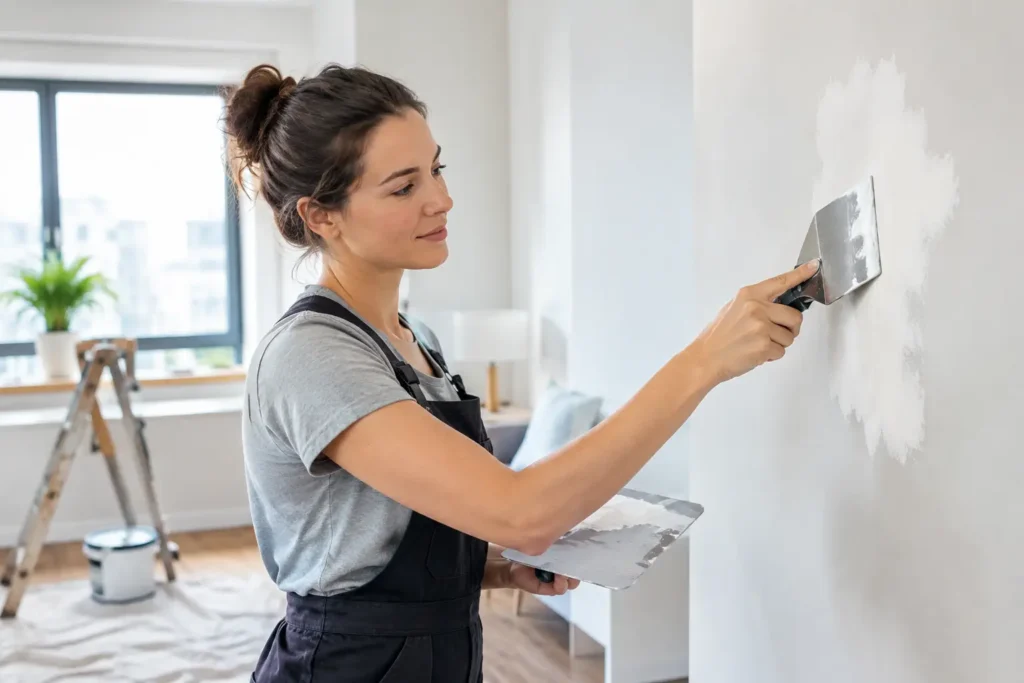
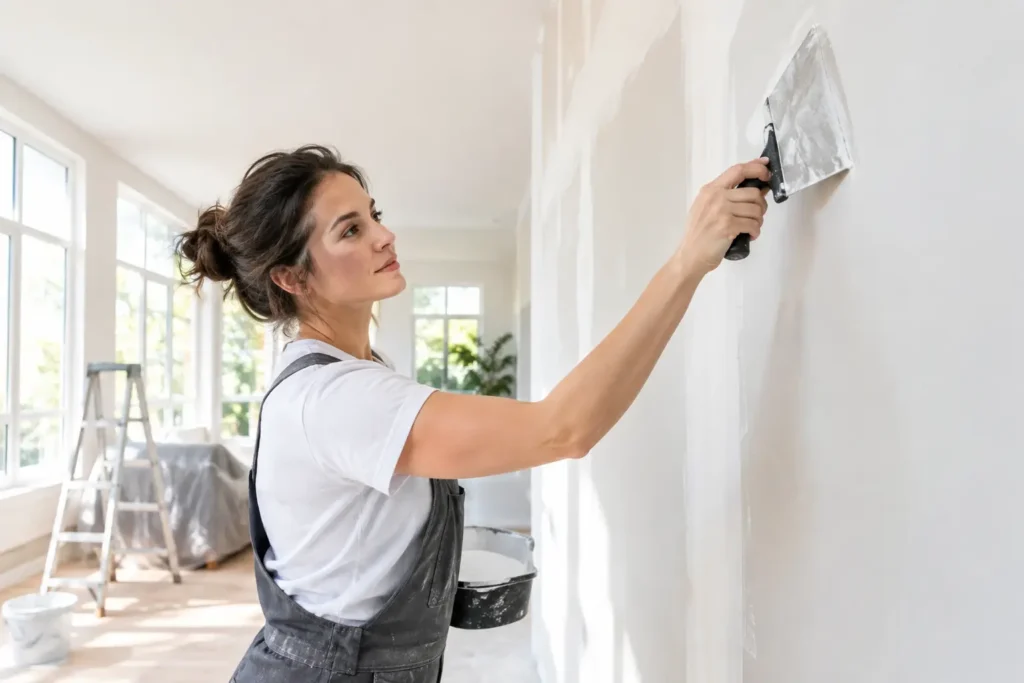
A vacant unit can look ready on paper and still lose a prospective tenant the moment they notice nail holes, scuffed corners, cracked tape, or a mismatched patch. Tenant turnover wall repair is not just a cosmetic task. It is part of preparing a rental that feels clean, cared for, and ready for someone new to call home.
For property managers and landlords, the goal is simple: make smart repairs quickly without cutting corners that show up under fresh paint. The right approach depends on the condition of the drywall, the age of the damage, and the standard you want the unit to meet before the next showing.
What Should Be Repaired Between Tenants?
Not every mark requires a full wall refinish, but small issues add up. A single dent may be easy to overlook. Ten nail holes around a bedroom, a damaged corner in a hallway, and peeling tape above a window create a very different impression.
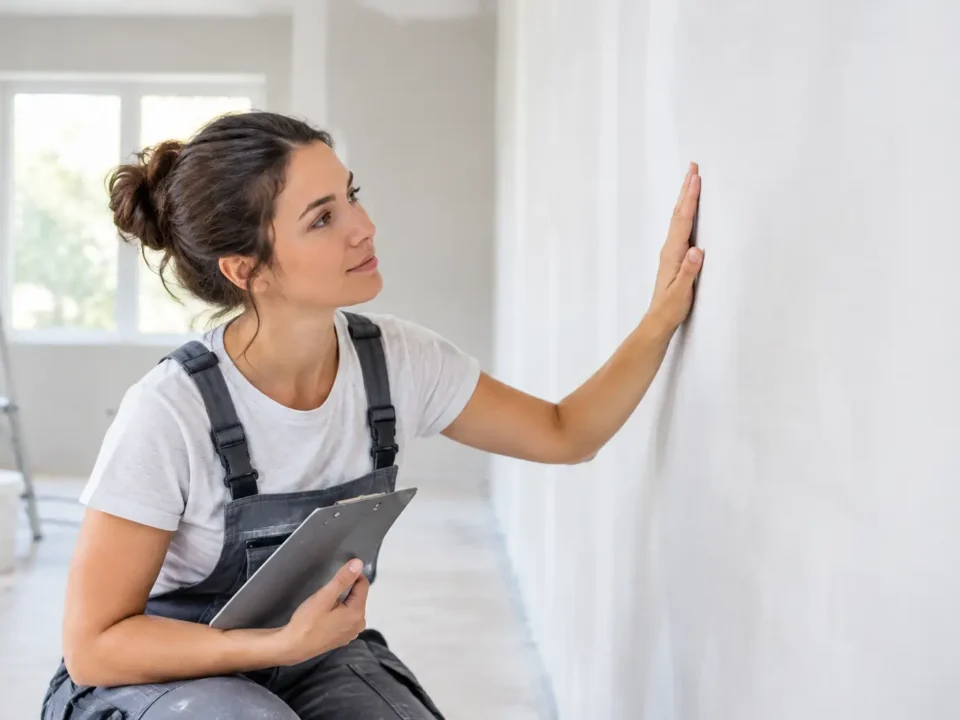
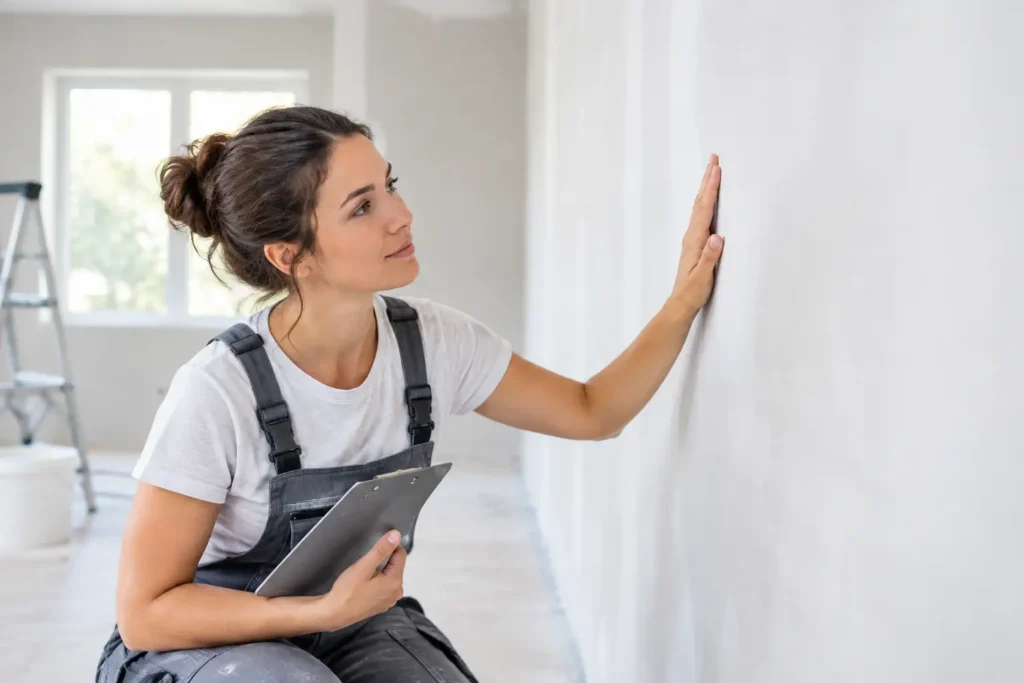
During a turnover walk-through, look beyond obvious damage. Check walls and ceilings in natural light, then turn on the room lights. Side lighting often reveals patch outlines, ridges at drywall joints, uneven texture, and old paint touch-ups that are less visible at first glance.
The most common repairs include nail and screw holes, dents from furniture, door-handle impacts, drywall cracks, damaged outside corners, loose joint tape, water-stained areas, and holes left by mounted TVs or shelving. Ceiling damage matters too, especially around old leaks, light fixtures, and smoke detector locations.
A practical rule is to repair anything a prospective tenant can easily see from across the room. If the damage catches the eye during a showing, it is worth addressing before paint goes on.
Tenant Turnover Wall Repair Starts With the Cause
A clean patch will not last if the problem behind it is still active. Before filling holes or applying compound, identify why the damage happened.
Hairline cracks can come from normal seasonal movement, but a repeated or widening crack may point to shifting framing, moisture, or a previous repair that was not properly taped. Bubbling drywall tape is often caused by poor adhesion, humidity, or water exposure. Stains on a ceiling can remain visible through new paint if the leak has not been resolved and the surface has not been properly sealed.
Water damage deserves special attention. Drywall that feels soft, swollen, crumbly, or stained over a large area may need to be removed and replaced rather than patched. Covering compromised material with compound creates a temporary visual fix, not a durable repair.
For landlords, this step protects more than the wall. It helps prevent a minor maintenance issue from turning into a repeat call after the new tenant moves in.
Patch or Replace? The Right Scope for Each Repair
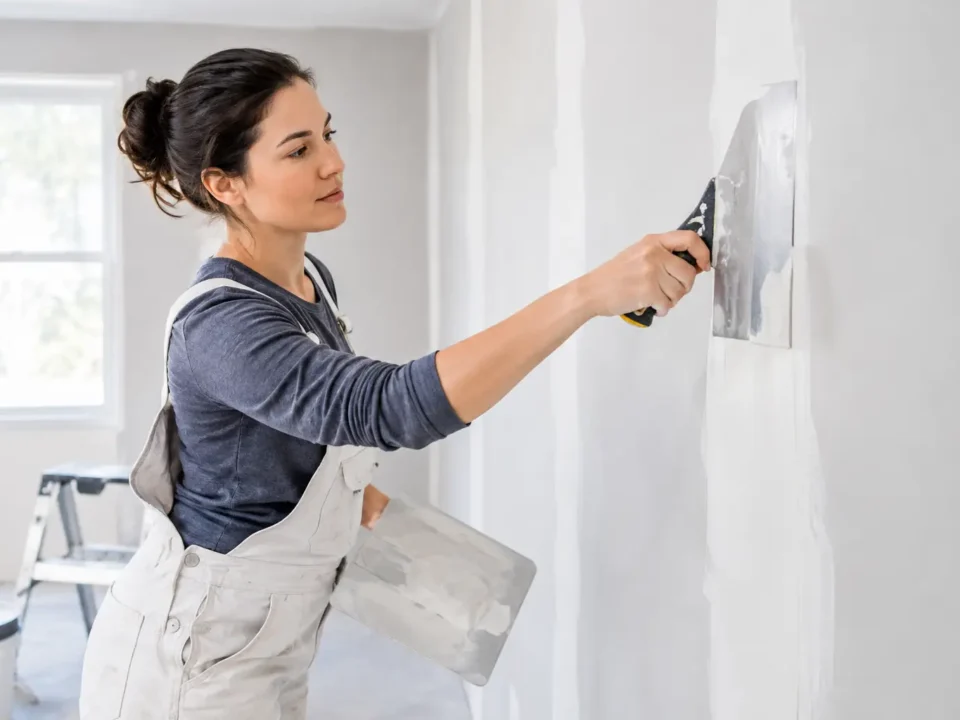
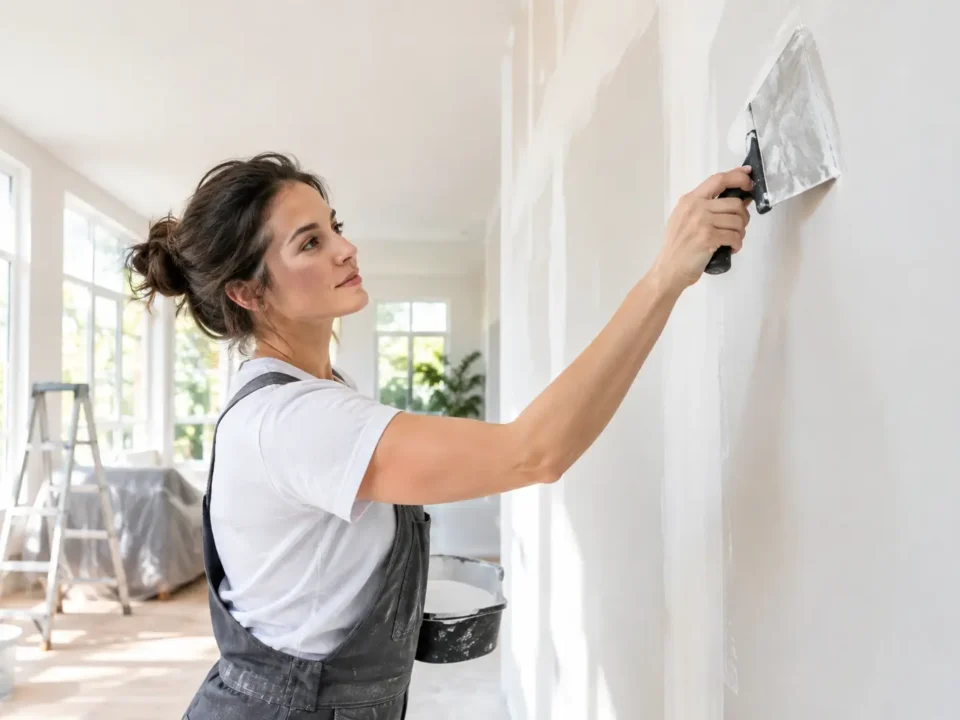
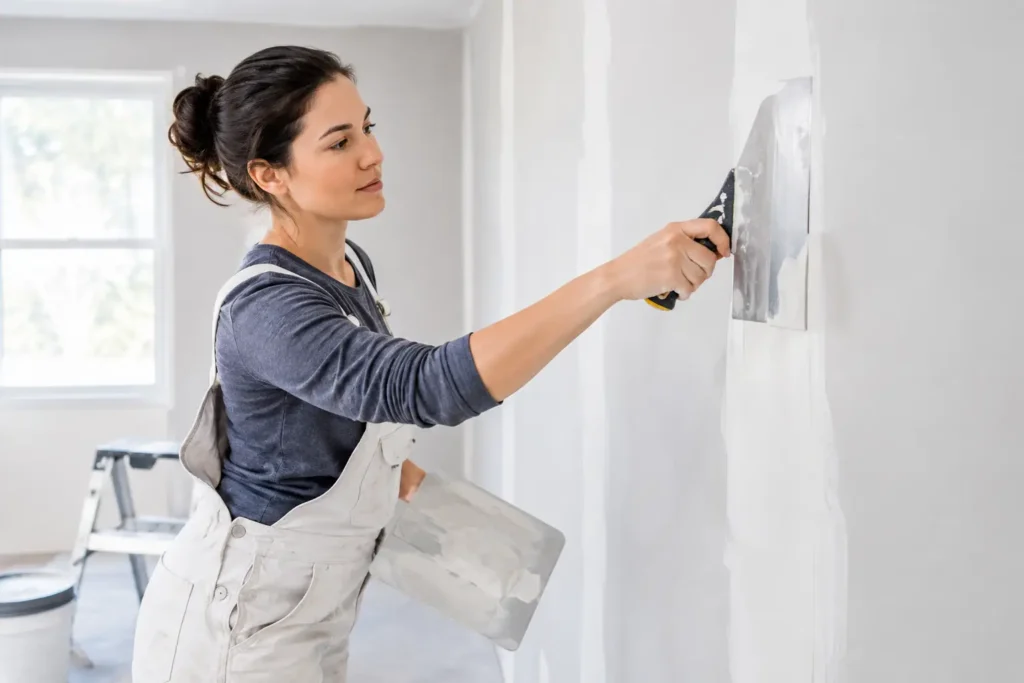
Small nail holes, shallow dents, and minor scuffs can usually be filled, sanded, primed, and painted. These repairs are straightforward when done carefully, but speed should not mean applying one heavy coat of compound and hoping paint hides it. Thin coats, proper drying time, and sanding between applications produce a flatter finish.
Medium holes from anchors, door knobs, or removed wall mounts often need more support. A weak patch may look fine initially but crack when the wall flexes. The repair should be stable, taped where needed, and blended beyond the immediate damaged area so the edges disappear after painting.
Larger openings, water damage, and badly broken drywall usually call for a cut-out and replacement section. This gives the repair a sound backing and creates clean edges for taping and finishing. It takes more time than filling a hole, but it is often the better value when the alternative is a visible patch or a repair that fails during the next tenancy.
Outside corners need their own assessment. If the corner bead is only lightly dented, it may be repaired and refinished. If it is bent, loose, rusted, or cracked along a long section, replacing the damaged bead can provide a cleaner, straighter result.
Why Paint Often Exposes Bad Repairs
Fresh paint does not hide poor drywall work. In many cases, it makes it more obvious.
Flat paint is forgiving compared with satin or semi-gloss, but it can still reveal a raised patch under window light. Higher-sheen finishes reflect light more strongly, making sanding scratches, uneven joint compound, and patch edges stand out. Dark colors create similar challenges because even slight texture differences become visible.
For this reason, repair work should be evaluated before painting, not after. A professional finish involves feathering the joint compound gradually over a wider area, sanding it smooth, and checking the surface from multiple angles. The goal is not merely to fill the damage. The goal is to restore a wall that reads as one continuous surface.
This is especially important in common areas, entryways, kitchens, and living rooms where tenants and visitors spend the most time. In these spaces, a level 4 finish is typically the right standard for a clean painted result. Premium spaces with critical lighting, smooth ceilings, or darker paint may benefit from level 5 finishing to minimize surface variation.
Timing Repairs Around Cleaning and Painting
Turnovers move fast, and scheduling matters. Wall repair should happen after move-out cleaning has cleared the unit of furniture and debris, but before final paint, flooring touch-ups, and detailed cleaning.
Repairs create dust, even when the work area is carefully contained. Sanding after the final clean means another round of cleanup, and painting before the drywall is fully dry can cause flashing, peeling, or visible repairs. Allowing each stage to happen in the right order avoids duplicated work and last-minute delays.
For a typical turnover, assess damage immediately after keys are returned. That gives you time to determine whether the unit needs simple patching, larger drywall replacement, ceiling work, or an emergency response for water-related damage. Waiting until painting is scheduled can compress the timeline and limit your options.
If several units are turning over at once, prioritize vacant units with upcoming showings and any repair connected to moisture or safety. Cosmetic work can be scheduled efficiently, but active leaks and unstable drywall should be handled first.
When a Quick Patch Is Not the Best Choice
Quick repairs make sense for isolated, minor damage in a standard rental unit. They are not the best answer when walls have extensive patch history, uneven texture, multiple failed repairs, or broad areas of peeling tape.
In those cases, refinishing a larger section or even the entire wall can create a much better result than adding another small patch. It also gives painters a consistent surface, which improves paint coverage and reduces the risk of noticeable sheen differences.
The same thinking applies to ceilings. A ceiling with old popcorn texture, water repairs, and inconsistent patches may not be worth spot-fixing repeatedly. Depending on the unit and budget, removing the outdated texture and creating a smooth ceiling can improve the entire room and make future maintenance easier.
There is a cost trade-off. Broader refinishing costs more upfront, but it may reduce repeat repairs and help present the unit at a higher standard. For rentals competing in strong markets such as Niagara Region, St. Catharines, and Hamilton, that presentation can support faster decisions from qualified applicants.
A Better Standard for Turnover Repairs
Reliable wall repair is measured by what tenants do not notice. They should not see a square patch around an old TV mount. They should not find loose tape in the bathroom after a few weeks. They should not move in and discover that a ceiling stain was painted over without addressing the source.
That standard comes from preparation, proper materials, and careful finishing. It also comes from knowing when a small repair is enough and when the wall needs more than a fast fill and a coat of paint.
TH Taping helps property owners, managers, and contractors handle both minor drywall patches and larger finishing work with clean, durable results. A prompt assessment before the painter arrives can keep a routine turnover from becoming a rushed repair at the last minute.
Before you schedule the next showing, stand at the entry of each room and look at the walls the way a new tenant will. The repairs worth making are usually the ones you notice right away – and the ones a quality finish can make disappear.