Residential vs Commercial Drywall Finishing

What Drywall Finishing Costs Really Include
25 agosto, 2026
Guide to Ceiling Resurfacing After Damage
29 agosto, 2026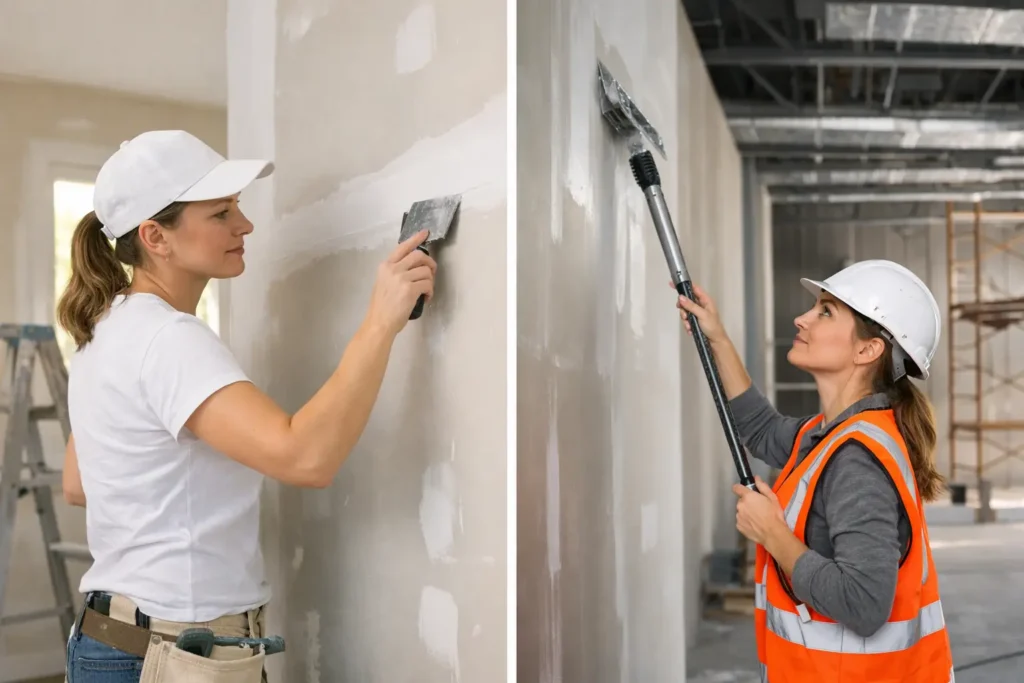
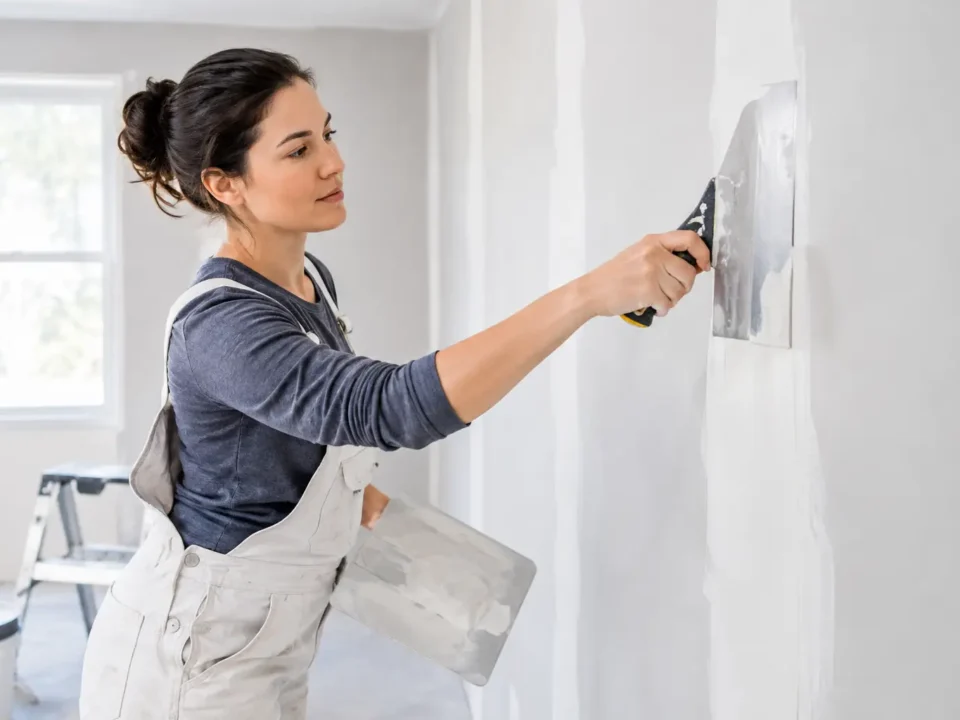
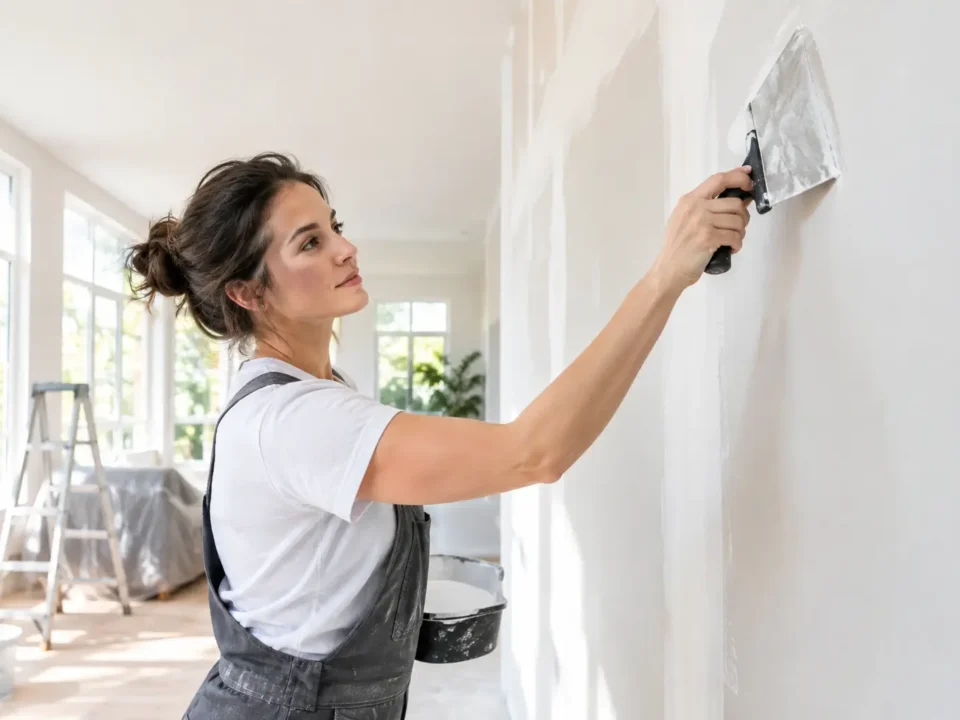
A freshly painted wall can only look as good as the surface beneath it. That is why residential vs commercial drywall finishing is more than a question of project size. The setting changes the finish level, scheduling, materials, inspection requirements, and the practical definition of a job done right.
A homeowner may be focused on a smooth living room ceiling under natural light. A property manager may need dozens of tenant units repaired quickly and consistently. A general contractor may need a retail build-out completed in phases without delaying electricians, painters, millwork installers, or final inspection. Each project needs skilled taping and finishing, but the process must fit the space.
Residential vs Commercial Drywall Finishing: The Core Difference
Residential drywall finishing is usually driven by appearance at close range. Homeowners live with the walls every day. They notice uneven joints near a window, a visible patch after painting, or a ceiling seam that catches light in the evening. The work often involves bedrooms, basements, kitchens, bathrooms, additions, and renovations where existing surfaces must blend into new ones.
Commercial drywall finishing is shaped by scale, coordination, and performance requirements. Offices, retail spaces, apartment buildings, schools, clinics, and common areas can involve long runs of wall, high ceilings, repeated room layouts, and strict turnover dates. The finish still needs to look clean, but it must also support the building’s intended use, specified wall assemblies, and inspection requirements.
Neither category is automatically easier. A small residential repair can be demanding when it must disappear into a textured, painted, or aged surface. A commercial project can move quickly only when the framing, drywall installation, mechanical work, and site access are properly coordinated.
Finish Levels Set the Visual Standard
Drywall finish levels provide a useful starting point for both residential and commercial work. The correct level depends on the final wall covering, lighting, wall location, and client expectations.
Level 4 is common for walls and ceilings that will receive standard flat or low-sheen paint. Joints and fasteners are taped and coated, then finished to create a uniform paint-ready surface. It is a reliable choice for many homes, rental units, offices, and commercial interiors.
Level 5 adds a thin skim coat across the full surface or an equivalent approved finish. It is often the better choice where smooth paint, dark colors, glossy coatings, strong side lighting, or large uninterrupted walls can reveal minor surface variations. Modern open-concept homes, feature walls, high-end renovations, lobbies, and premium commercial spaces frequently benefit from Level 5 finishing.
The key is not to request the highest level by default. A Level 5 finish costs more time and labor, and it may not add value in a utility room, behind heavy shelving, or beneath a wall covering. On the other hand, choosing a lower finish level for a sun-filled living room with a dark matte paint can create disappointment after the painter has left. The finish should be selected before work begins, not after the paint exposes every imperfection.
Homes Require Careful Blending and Protection
Residential work often happens in occupied spaces or in homes close to completion. That calls for careful dust control, floor protection, clean work areas, and clear communication about drying times and access. A professional finisher also needs to account for details that are easy to overlook: uneven existing framing, old repairs, corner damage, ceiling transitions, and paint textures that must be matched.
Repairs are a good example. Patching drywall is not just about filling a hole. The replacement board must sit correctly, the joint needs proper reinforcement, and the compound must be feathered wide enough to avoid a raised outline. If the surrounding wall has orange peel, knockdown, or another texture, that texture must be recreated before painting.
Ceiling projects require the same attention. Popcorn ceiling removal, for example, can reveal damaged board, poor previous repairs, or joints that were never intended to be exposed. Creating a smooth ceiling afterward may require full skim coating rather than a quick spot repair. The result should look intentional from every angle, especially where light runs across the ceiling.
Commercial Projects Depend on Coordination
On commercial sites, the drywall finisher is part of a larger construction sequence. Walls may include insulation, vapor barriers, sound control, fire-rated assemblies, access panels, corner protection, bulkheads, and specialty trims. A change to one trade’s schedule can affect every trade that follows.
This makes planning essential. Finishing should begin only after the board is properly installed and the space is ready for controlled drying conditions. If work continues overhead while joints are being finished, dust, moisture, vibration, and impact can compromise the surface. If painters arrive before compound has fully dried and been inspected, the final appearance can suffer.
Commercial work also requires consistency across repeated spaces. In a multi-unit property, one unit cannot have crisp corners and smooth joints while the next has visible ridges or rushed sanding. The goal is a dependable standard from room to room, floor to floor, and phase to phase.
Speed matters, but rushing coats is rarely the answer. Compound needs adequate drying time, particularly during humid conditions or in spaces without stable heat and ventilation. The better approach is to schedule labor, drying, sanding, and inspections realistically so the project keeps moving without sacrificing the finish.
Materials and Details Change With the Building
Residential and commercial drywall finishing use many of the same core materials: joint tape, joint compound, corner bead, fasteners, patches, and sanding equipment. The difference lies in the wall system and the details specified for the building.
A residential remodel may need flexible attention around existing trim, outlets, cabinetry, or irregular framing. A commercial project may require impact-resistant board in busy corridors, moisture-resistant board in certain areas, or fire-rated systems that must be installed exactly as specified. These requirements affect not only the drywall board but also the tape, compound, trim, and treatment of penetrations and joints.
Corners deserve particular attention. Standard paper-faced or metal corner bead may be appropriate in many rooms, while high-traffic commercial areas may need more durable protection. Control joints, expansion details, and transitions between materials may also be necessary in larger commercial spaces to help manage movement and reduce cracking.
The right solution depends on the assembly, not simply the address. A high-end home theater may need sound-control details similar to a commercial project. A small commercial office may have straightforward partitions that resemble residential construction. That is why an on-site assessment is more valuable than broad assumptions.
Budgeting for the Finish You Will See Later
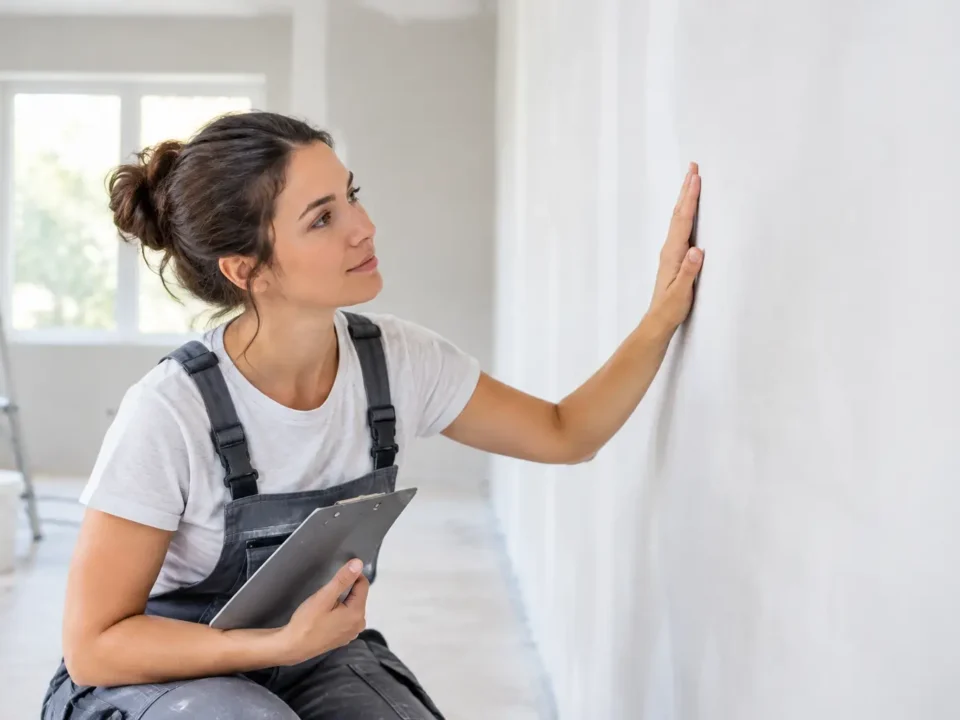
The most expensive drywall issue is often the one discovered after painting. Visible joints, flashing, nail pops, cracked corners, and poor patch blending can lead to repainting, repair work, tenant complaints, or delays before move-in.
When comparing quotes, look beyond the square-foot price. Ask what finish level is included, whether ceilings are included, how repairs or changes are handled, and what preparation is expected before painting. For commercial work, confirm the scope aligns with drawings and specifications. For residential work, make sure the quote accounts for surface protection, texture matching, and the conditions of the existing walls.
It is also wise to separate true drywall finishing from painting. A finisher prepares a surface for paint, while the painter applies the final coating. The two trades must work to compatible expectations. If a dark color or sheen is planned, tell the drywall team early so the surface can be prepared accordingly.
Choosing the Right Drywall Finishing Team
Whether the project is a basement repair or a commercial renovation, choose a team that asks practical questions before offering a solution. They should want to know the final paint or wall covering, the condition of the existing surface, the desired schedule, the access limitations, and the level of finish required.
For clients in Niagara Region, St. Catharines, and Hamilton, TH Taping is here to help with complete drywall taping, Level 4 and Level 5 finishes, smooth ceilings, popcorn ceiling removal, and smaller repairs that need prompt attention. A clear scope and a free quote give everyone a better starting point.
A clean drywall finish does not call attention to itself. It lets the paint color, lighting, furniture, and architecture do their job. Plan the finish around how the space will actually be used, and the walls will keep looking right long after the project is complete.