Guide to Drywall Finishing in Hamilton

Ceiling Water Damage Repair Done Right
28 junio, 2026
Why Are Drywall Seams Showing?
30 junio, 2026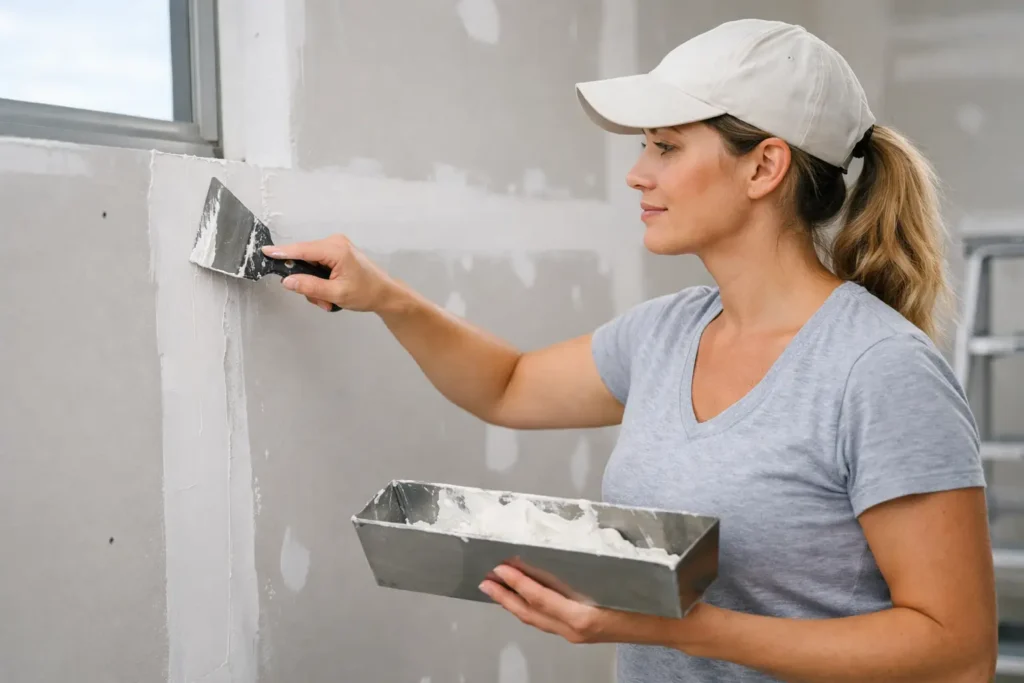
Fresh paint cannot hide bad drywall. If the seams show, the corners wave, or the ceiling catches every flaw in the light, the whole room feels unfinished. That is why this guide to drywall finishing in Hamilton starts with the part many people underestimate – the finish is what makes walls and ceilings look clean, sharp, and ready to last.
For homeowners, contractors, and property managers, drywall finishing is usually the step that decides whether a space looks average or truly polished. The board may already be up, but taping, mudding, sanding, patching, and surface preparation are what create that smooth final result. In renovation work especially, the difference is easy to spot.
What drywall finishing actually includes
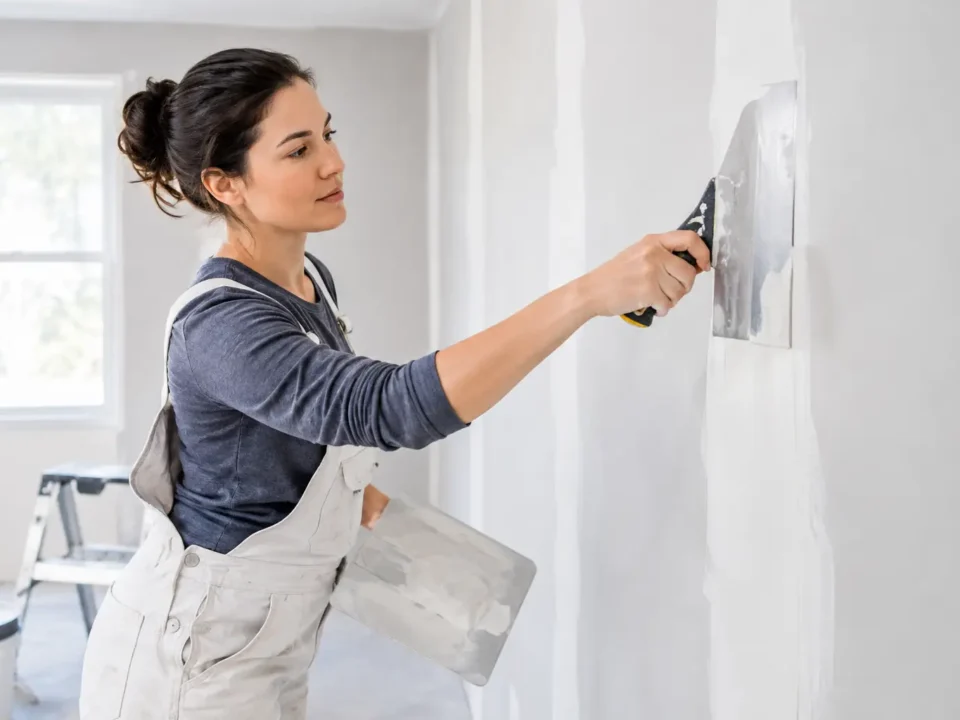
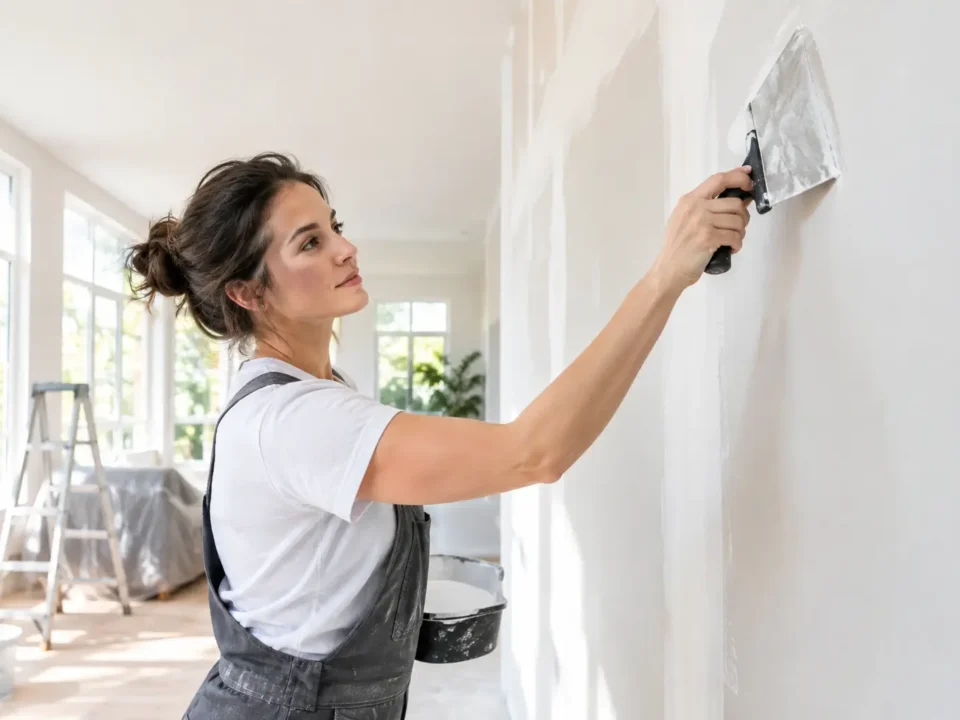
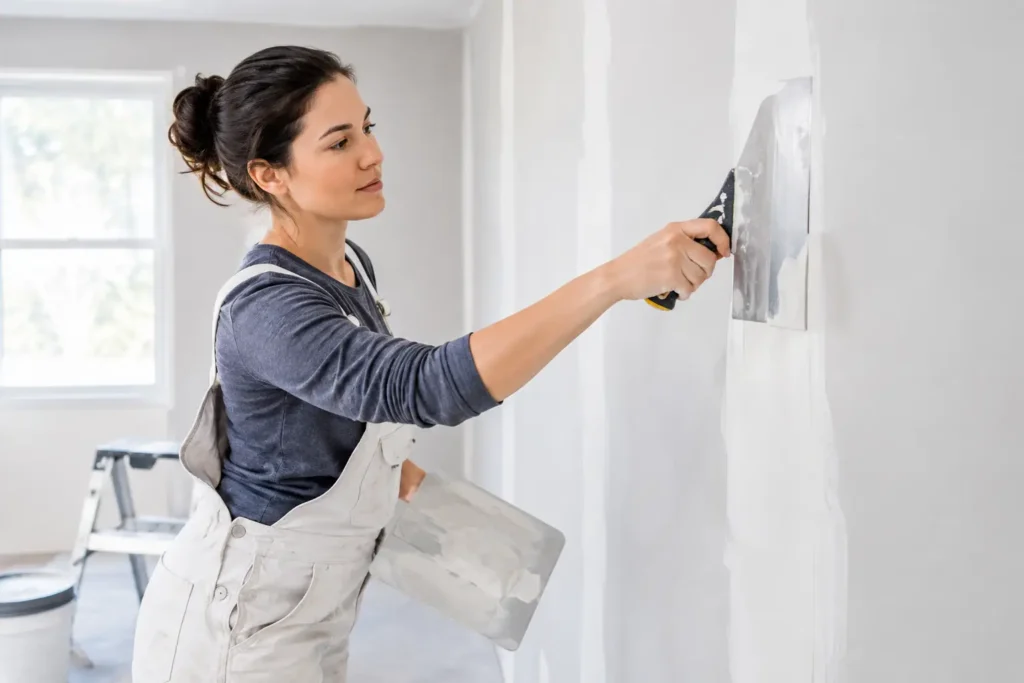
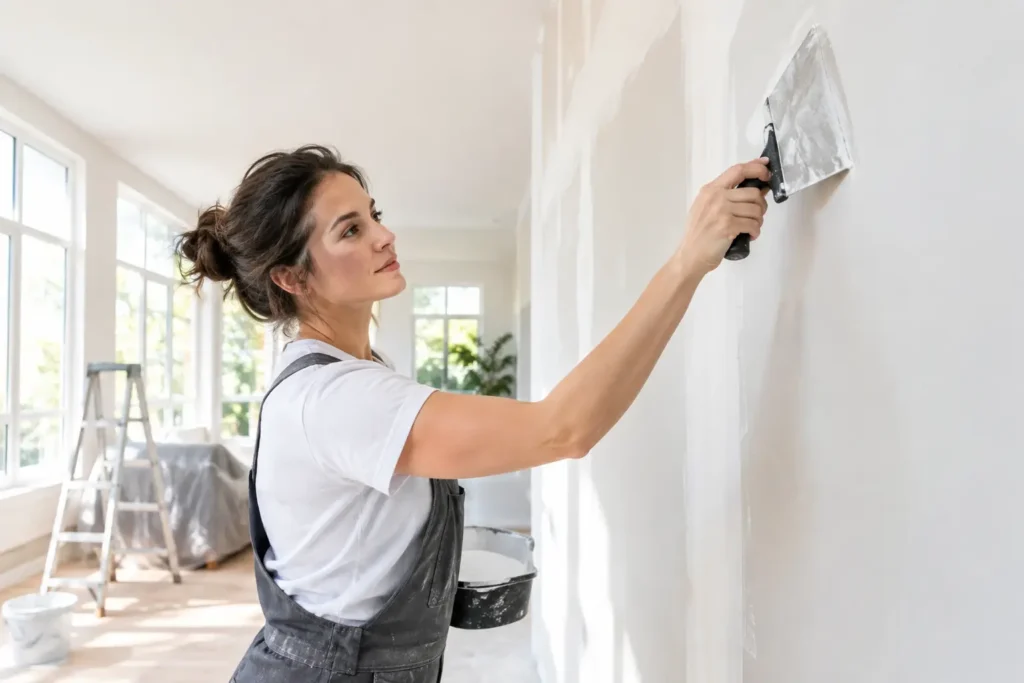
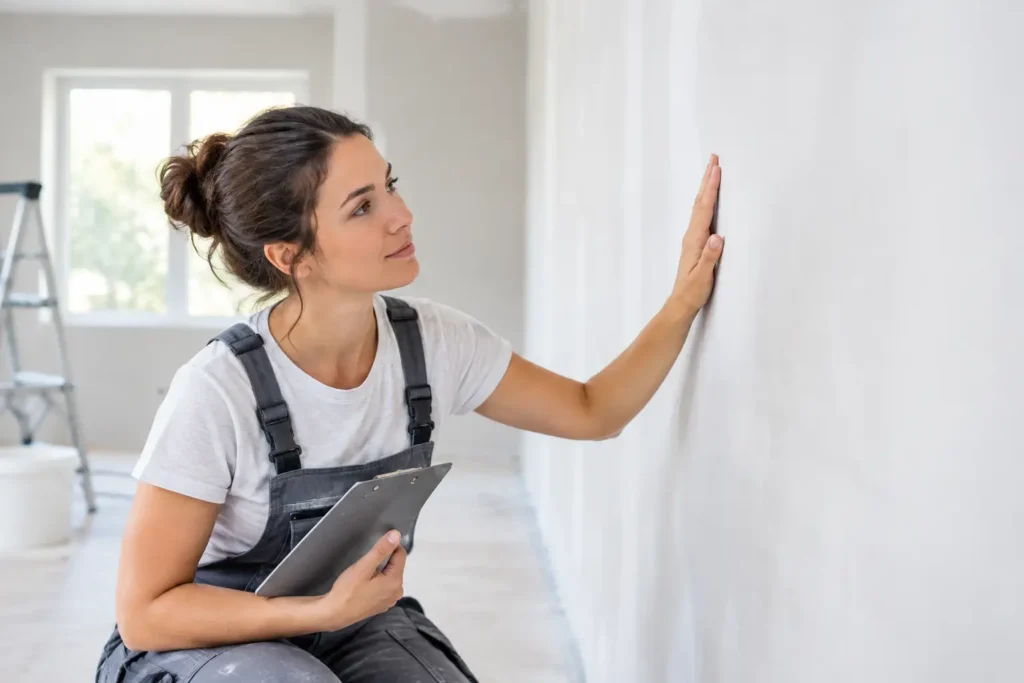
Drywall finishing is more than covering joints with compound. A proper finish usually includes taping the seams, embedding joint compound, building out multiple coats, finishing inside and outside corners, covering fasteners, sanding the surface, and checking for visible imperfections under light.
On repair work, it can also mean patching damaged sections, blending old and new surfaces, and correcting cracks or stress lines so the area does not stand out after painting. On ceilings, the work may include popcorn ceiling removal and refinishing to a smooth surface.
The goal is simple. When the paint goes on, you should not notice the drywall work. You should notice a clean room.
A guide to drywall finishing in Hamilton for real-world projects
In Hamilton, drywall finishing needs vary a lot from one project to the next. A new basement, a condo repair, a retail build-out, and an older home ceiling update all ask for different levels of prep and finish quality.
If you are working in an older property, expect more irregular framing, uneven transitions, and extra repair work. That affects both labor and finish strategy. In newer builds, the challenge is often speed, consistency, and getting every wall ready for paint without delays for the next trade.
This is where many projects go off track. People assume all drywall finishing is the same, but it depends on surface condition, lighting, paint sheen, and how visible the area will be every day.
Level 4 vs. Level 5 finish
This is one of the most common questions, and the answer matters.
A Level 4 finish is the standard choice for many interior walls and ceilings. It works well in areas with flat paint and typical lighting conditions. It gives a smooth, paint-ready surface when the framing and drywall installation are already in decent shape.
A Level 5 finish goes further. It includes the work of Level 4 plus a skim coat or equivalent treatment across the full surface. This helps reduce visible joint lines, surface variation, and light-related imperfections. It is the better fit for high-end interiors, large open spaces, ceilings with critical light, and walls that will be painted with darker colors or higher sheen finishes.
If a room has large windows, strong side lighting, or a smooth modern design, Level 5 is often worth it. If the room is more forgiving and budget is tighter, Level 4 may be the practical choice. It depends on the visual standard you expect.
Where finishing problems usually show up
Most drywall issues are not obvious until the last stage. Once primer or paint hits the surface, weak finishing work becomes easier to see.
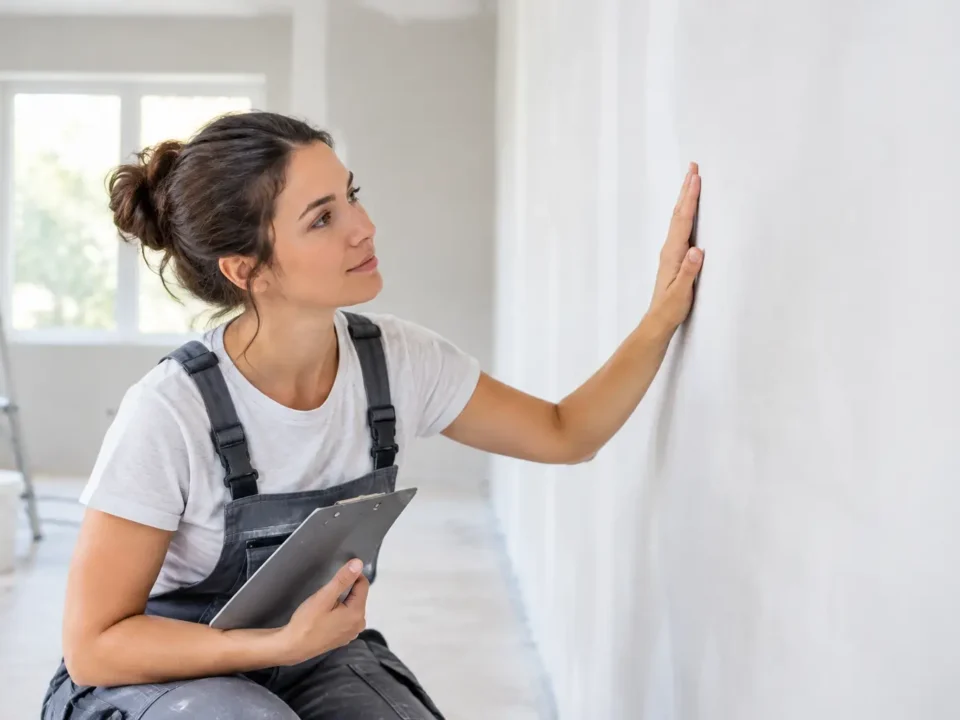
The most common trouble spots are butt joints, inside corners, patched openings, ceiling seams, and areas near windows or overhead lighting. These spots tend to show ridges, flashing, shadow lines, or uneven texture if the finishing was rushed.
Repairs can be even trickier. A small patch is not automatically a simple patch. If the surrounding wall has movement, previous water damage, or layered paint buildup, blending the repair takes more care than people expect. The patch itself may be easy. Making it disappear is the real job.
Drywall repairs and patching need a different approach
Not every customer needs full-house finishing. Sometimes the job is a cracked ceiling joint, a damaged corner, a hole from plumbing access, or a section of wall that needs emergency repair after water or impact damage.
In those cases, the finish has to match what is already there. That means checking the existing texture, surface flatness, and paint condition before any compound goes on. Good repair work is not just about filling damage. It is about restoring the wall or ceiling so it does not call attention to itself later.
That is one reason specialized crews are valuable. Small jobs still need precision, and many larger companies do not want them. A team that handles both full projects and smaller urgent repairs can usually solve the issue faster and with fewer compromises.
Smooth ceilings, popcorn removal, and finish quality
Ceilings deserve special attention because flaws show fast overhead. If you are removing a popcorn ceiling or converting an older ceiling to a smooth finish, surface preparation matters as much as the final mud work.
Once the texture is removed, the ceiling often reveals old patches, uneven joints, or hidden imperfections. Getting from a textured surface to a clean smooth ceiling takes multiple finishing steps, careful sanding, and a realistic timeline for drying.
This is not the place to cut corners. Smooth ceilings look great, but they are less forgiving than textured ones. In rooms with lots of natural light, even a minor wave or line can stand out.
How long drywall finishing takes
Timing depends on project size, humidity, access, and finish level. A small repair might be completed quickly, while a larger finishing project can take several visits because each coat needs proper drying time.
People often focus only on labor hours, but drying and curing matter just as much. If compound is forced along too quickly, the result can be cracking, shrinkage, or visible joints later. That is why realistic scheduling protects the final appearance.
For contractors and remodelers, this matters when coordinating painters, trim crews, and final inspections. For homeowners, it matters because rushing the last stage usually creates rework.
What affects the cost
Drywall finishing costs are not based on square footage alone. The finish level, ceiling height, number of corners, repair complexity, access, and surface condition all affect pricing.
A straightforward new drywall project is different from finishing around existing trim, repairing previous poor work, or blending multiple patches in a lived-in home. Emergency service can also change the scope if the goal is to secure and restore a damaged area quickly.
The best estimates come from seeing the actual surfaces. Photos can help, but an on-site review is usually what reveals whether the job needs standard finishing, skim coating, repair blending, or premium Level 5 work.
When it makes sense to hire a pro
Some parts of drywall work are manageable for a skilled DIYer. Finishing at a consistently high visual standard is where things get harder.
If the space will be painted in natural light, if the ceiling needs to look smooth, if the project includes multiple patches, or if you need a Level 4 or Level 5 finish, professional work usually saves time and frustration. The same goes for commercial spaces and tenant turnovers, where appearance and timeline both matter.
A professional finisher brings more than tools. They bring judgment. They know when a surface needs another coat, when sanding will not fix the issue, and when a repair needs to be widened to blend properly. That is the difference between a wall that looks acceptable up close and one that looks right across the room.
Choosing the right drywall finishing contractor in Hamilton
Look for a contractor who is clear about scope, realistic about timing, and confident working on both new finishes and repairs. Ask whether they handle smooth ceilings, popcorn ceiling removal, patching, and higher-end finish levels. If your project has critical lighting or a premium paint finish, say that up front.
You also want someone who respects small jobs instead of treating them like a nuisance. Good service is not only about large builds. It is also about showing up for the repair, patch, or urgent ceiling issue that needs to be fixed properly.
TH Taping is one example of a team built around that kind of work – detailed finishing, repair capability, and practical service for both residential and commercial projects.
If you want walls and ceilings that look clean after the paint dries, treat drywall finishing like the finish trade it is. The best results come from careful prep, the right finish level, and a crew that knows how to make the surface disappear.