When to Call an Emergency Drywall Repair Service

How to Get Smooth Ceilings That Last
14 junio, 2026
7 Best Ceiling Options After Popcorn Removal
18 junio, 2026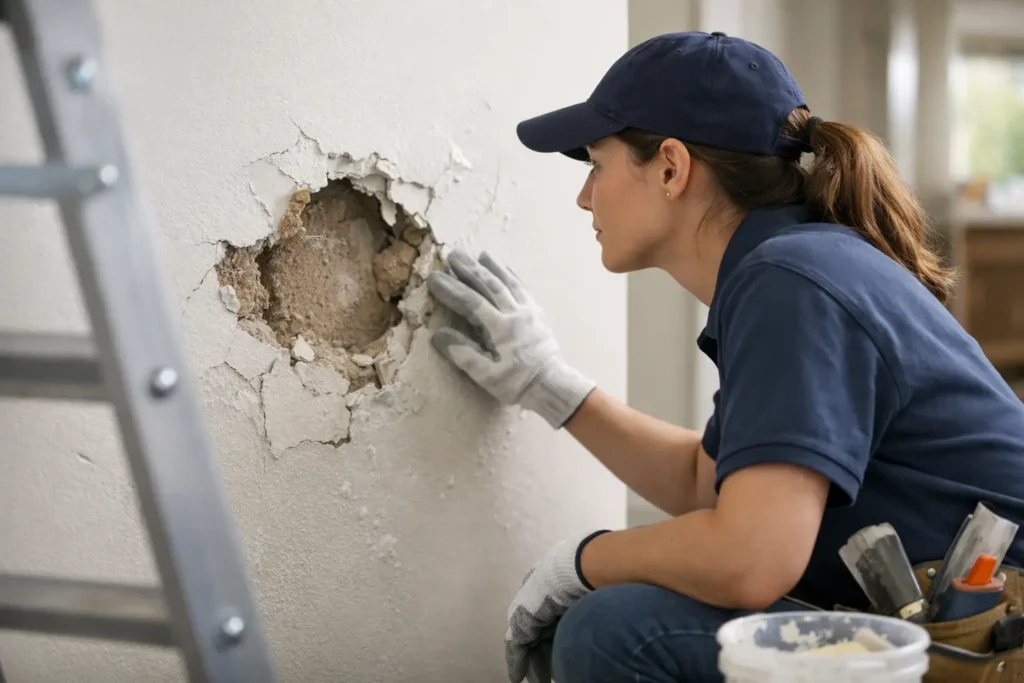
A ceiling stain that suddenly spreads, a hole in the wall before a property showing, cracked drywall after a leak, or sagging board that looks ready to drop – these are the moments when an emergency drywall repair service stops being a convenience and becomes the next smart move. Fast action matters, but so does the quality of the repair. A rushed patch that flashes through paint or fails a few weeks later only creates a second problem.
Drywall damage has a way of looking smaller than it is. What starts as a soft spot or hairline crack can point to moisture, movement, impact damage, or a failing joint. In homes, it disrupts comfort and appearance right away. In commercial spaces, it can affect tenants, customers, schedules, and the professional look of the space. The real goal is not just covering damage. It is restoring a clean, stable surface that is ready to blend back in.
What counts as an emergency drywall repair service
Not every drywall issue is urgent. A minor nail pop in a spare bedroom can usually wait. A ceiling bulge after a plumbing leak usually should not.
An emergency drywall repair service is the right fit when damage is active, worsening, unsafe, or time-sensitive. That includes holes caused by accidents or access repairs, water-damaged ceilings, cracked joints that open suddenly, sagging sections, broken corners in high-traffic areas, or wall damage that needs to be fixed before inspection, turnover, or painting.
Urgency can come from the condition itself or from the timeline around it. A property manager may need repairs completed quickly between tenants. A contractor may need a patch and finish done right so the next trade can stay on schedule. A homeowner may need a damaged ceiling stabilized and repaired before the problem spreads or the room becomes unusable.
The biggest mistake people make after drywall damage
The most common mistake is treating visible damage as a cosmetic issue only. If drywall was affected by water, impact, or movement, the finish is only part of the repair. The damaged area has to be evaluated properly first.
For example, a stain on the ceiling may seem like a paint problem, but drywall that has absorbed moisture can soften, swell, or lose integrity. A patch over that surface will not perform the way it should. The same goes for a crack that keeps reopening. If the joint is unstable or the surrounding area has shifted, applying compound alone is not a lasting fix.
The second mistake is going too small with the repair. Many bad patches fail because the damaged section was not cut back far enough, the tape work was weak, or the finish was not built and sanded to match the surrounding surface. On smooth walls and ceilings, especially where light hits across the surface, poor repair work shows immediately.
What a good emergency drywall repair service should actually do
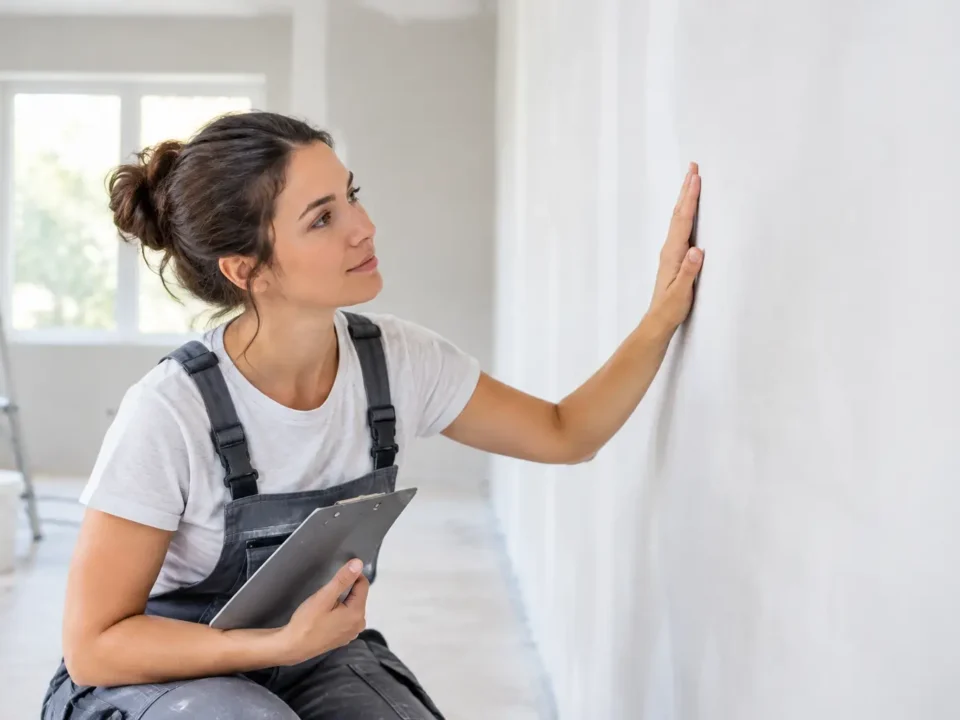
Speed matters in an emergency, but clean workmanship matters just as much. A proper repair service should first identify what caused the damage and whether the area is dry, stable, and ready for restoration. If the source of water or impact is still active, that has to be addressed before the final finish work begins.
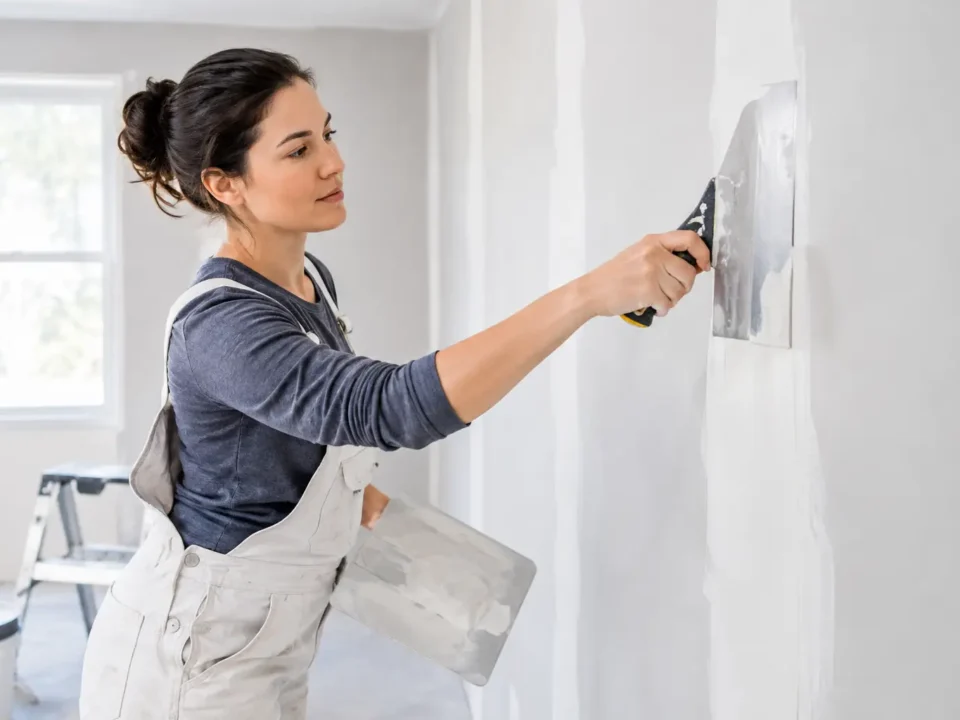
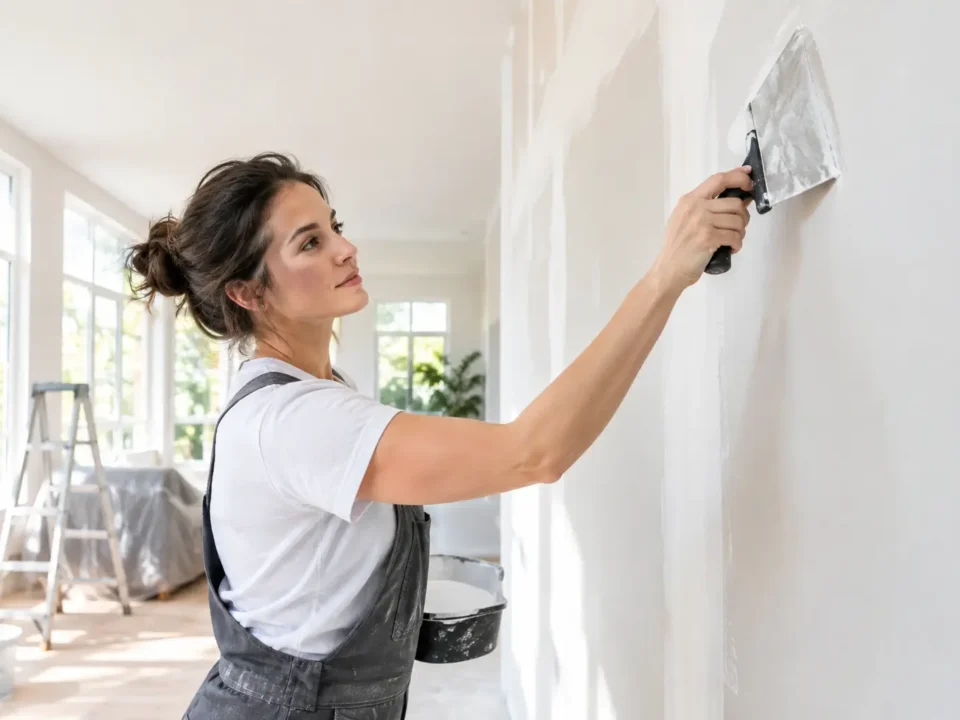
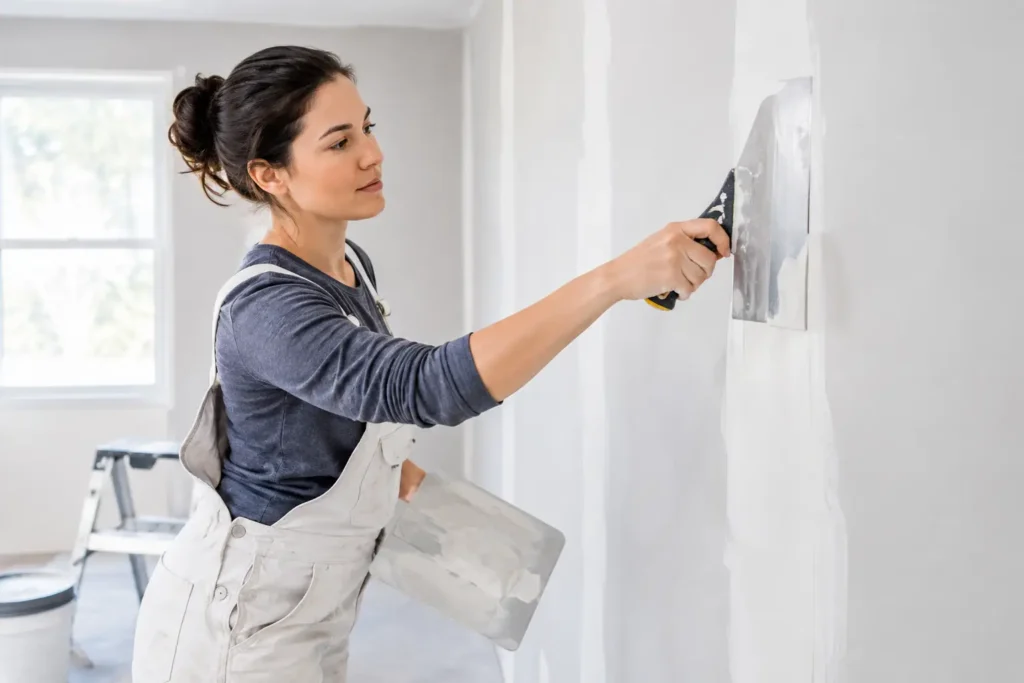
Once the area is ready, the damaged drywall should be cut out or stabilized as needed, patched correctly, taped properly, and finished to match the surrounding plane. This is where experience shows. A repair is not successful just because the hole is gone. It needs to sit flat, blend well, and hold up over time.
In many cases, the finishing level also matters. If the wall or ceiling will receive direct light, dark paint, or a smooth modern finish, the repair has to be handled with more precision. There is a difference between hiding damage and creating a surface that looks consistent after primer and paint.
Emergency ceiling repairs need extra attention
Ceilings are where drywall emergencies feel most urgent. Sagging panels, water bubbles, cracked seams, and damaged tape overhead can change quickly. They also carry more risk because loose material can fall, and the visual impact is impossible to ignore.
A ceiling repair has to account for gravity, existing framing, the extent of moisture exposure, and the surrounding finish. If the ceiling texture has been removed in parts of the home or building and replaced with a smooth finish, blending the repaired area becomes even more critical. The flatter and cleaner the ceiling, the less forgiving it is.
This is where detail matters. Poor ceiling patches often leave visible edges, low spots, sanding marks, or joint lines that show up under normal room lighting. A professional emergency drywall repair service should aim for a result that looks intentional and clean, not like a rushed fix in the middle of the room.
When fast service helps more than just appearance
There is an obvious visual reason to repair drywall quickly, but the practical reasons are often bigger. Damaged drywall can expose insulation, framing, wiring access cuts, or unfinished surfaces that are not meant to stay open. In commercial settings, this can affect safety perception and customer confidence. In residential spaces, it can disrupt daily use of the room and create stress that lingers until the repair is complete.
Fast response also helps contain the scope of the work. A small damaged section repaired early is usually more straightforward than a larger section left to deteriorate. Moisture staining can spread. Broken edges can crumble. Loose tape can peel further. Even if the original cause has been fixed, the drywall itself may keep declining if nobody addresses it.
For property managers and contractors, there is another factor: scheduling pressure. Emergency repairs done by a team that understands finishing can keep a project moving instead of forcing repainting, rework, or delayed turnover later.
How to know if the repair will blend well
This is one of the main concerns clients have, and for good reason. Anyone can promise a patch. The real question is whether the wall or ceiling will look right after the repair.
A well-blended repair depends on three things: sound patching, proper tape and compound work, and a finish level that matches the rest of the surface. If the surrounding drywall has a high-end smooth finish, the repair has to be treated with that standard in mind. If the area is close to windows or strong overhead light, every ridge and dip becomes more visible.
That is why smaller jobs still require craftsmanship. The size of the patch does not determine the difficulty. In some cases, a small repair in a highly visible spot takes more finesse than a larger repair in a utility space.
Emergency drywall repair service for homes and commercial spaces
The needs are similar, but the stakes can differ.
In a home, the priority is often restoring comfort, appearance, and peace of mind. People want the damage handled quickly and properly so the room feels normal again. They also want confidence that the repaired section will not stand out every time they walk by it.
In commercial properties, the repair often has to fit around access, operating hours, tenant expectations, or renovation sequencing. Clean execution becomes part of professionalism. A damaged wall near an entrance, hallway, office, or retail area sends the wrong message, even if the issue started with something minor.
That is why many clients look for a company that can handle both urgent small repairs and high-standard finishing. TH Taping works with that mindset – practical response first, precise finish always.
What to do before the crew arrives
If the damage is related to water, stop the source first if possible. If a ceiling or wall section looks unstable, keep people away from the area. Remove nearby furniture or valuables if it can be done safely. Take a few photos, especially if the damage may relate to insurance or property records.
What you do not want to do is overwork the area. Digging into soft drywall, scraping loose sections aggressively, or applying a quick repair product before the condition is assessed can make a proper fix harder. In most emergency situations, preserving the area and getting professional eyes on it is the better call.
Why the finish matters just as much as the repair
Emergency work has a reputation for being temporary, rough, or purely functional. It should not be. The best repair work solves the urgent problem and respects the final appearance of the space.
That matters whether you are a homeowner preparing for paint touch-ups, a contractor pushing toward closeout, or a property manager trying to keep units and common areas presentable. Drywall is the backdrop for the whole room. When the surface is uneven, patched badly, or visibly repaired, it changes how everything else looks.
A good emergency response should leave you with more than a closed hole or stabilized ceiling. It should move the space back toward clean lines, solid surfaces, and a finish you can trust. When damage happens fast, the right repair should do the opposite – bring the room back under control.