Professional Taping Services That Show

How to Fix Drywall Corner Bead Right
12 junio, 2026
How to Get Smooth Ceilings That Last
14 junio, 2026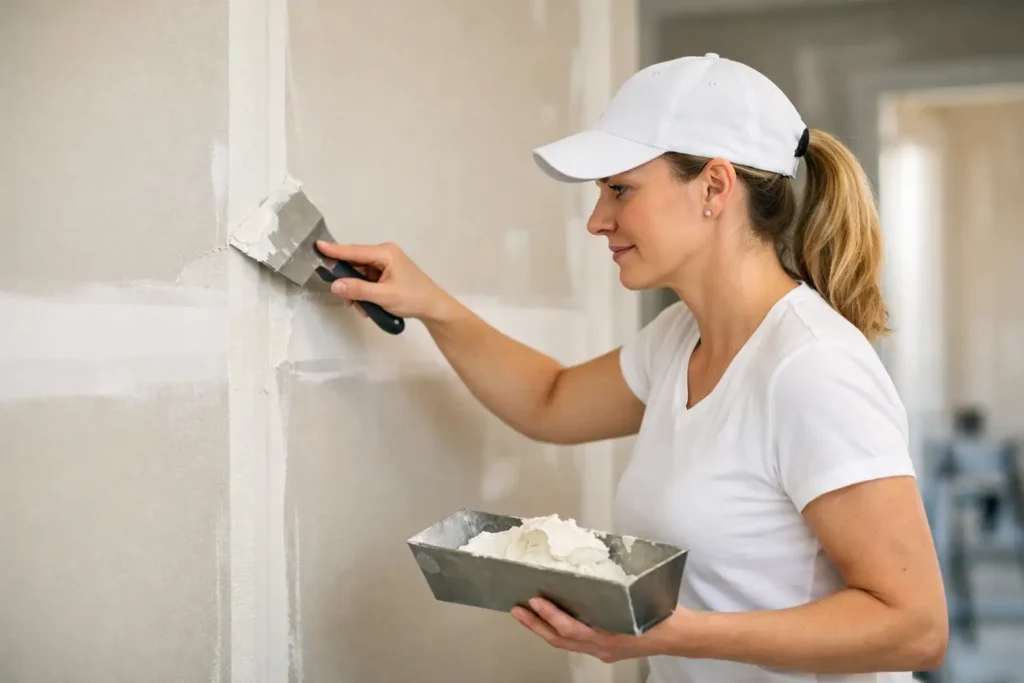
A wall can look fine from across the room and still fall apart under paint. Seams flash, patches sink, corners crack, and every shortcut starts showing once the light hits it. That is exactly why professional taping services matter. They are not just about covering joints. They are about creating a finish that looks clean, holds up over time, and gives the rest of the project a solid foundation.
For homeowners, that often means fixing damage the right way instead of repainting over a problem. For contractors and property managers, it means fewer callbacks, better-looking interiors, and a smoother path to turnover. Whether the job is a full build, a remodel, a ceiling update, or an urgent patch, the finish stage is where quality becomes visible.
What professional taping services actually include
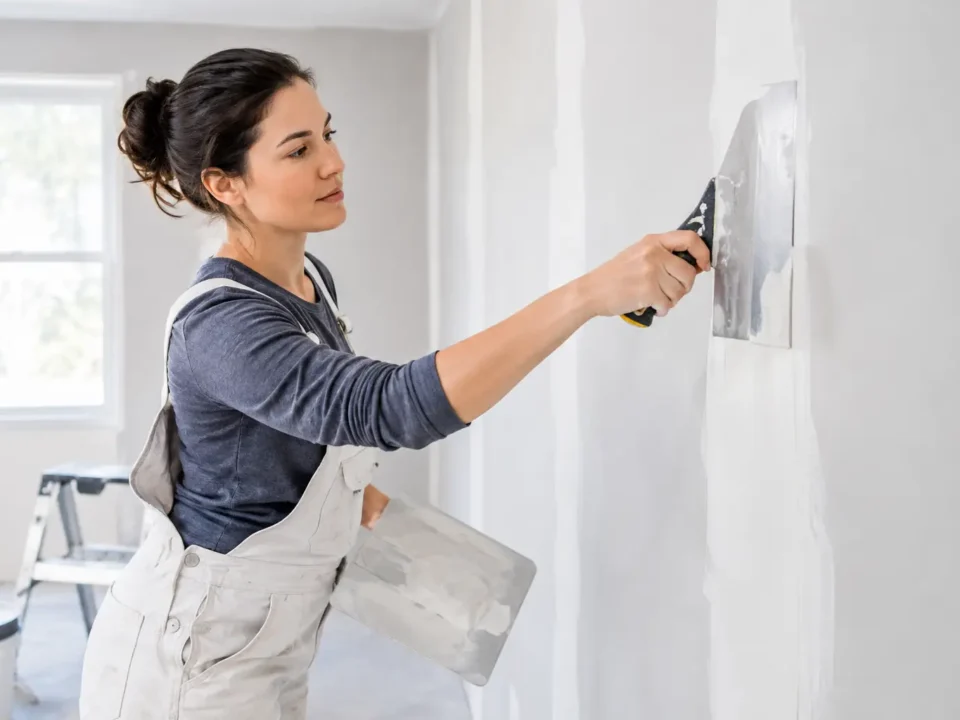
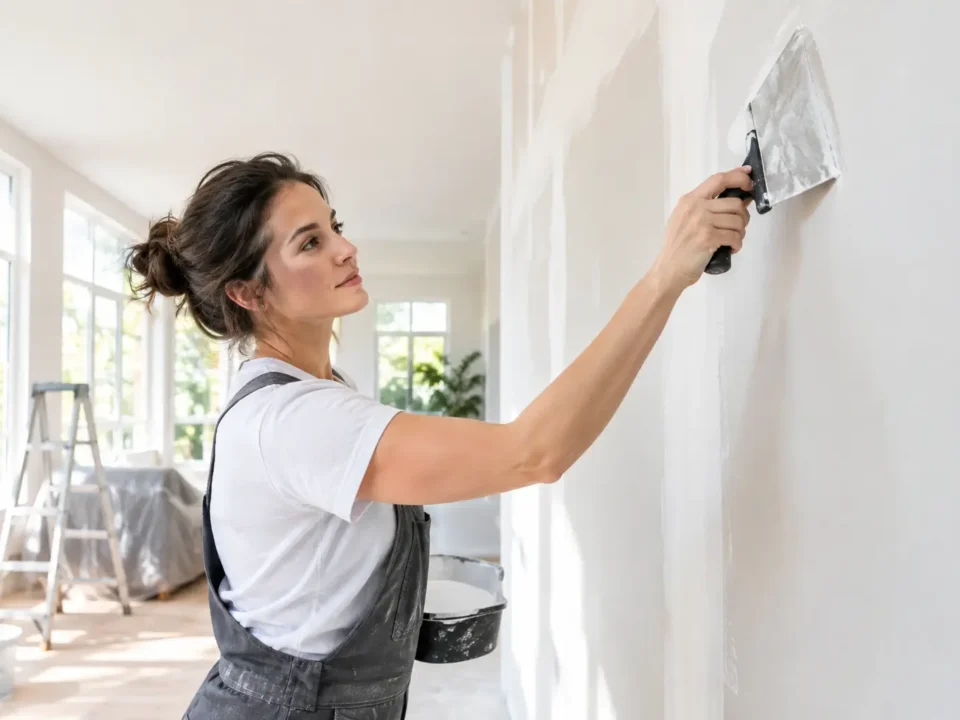
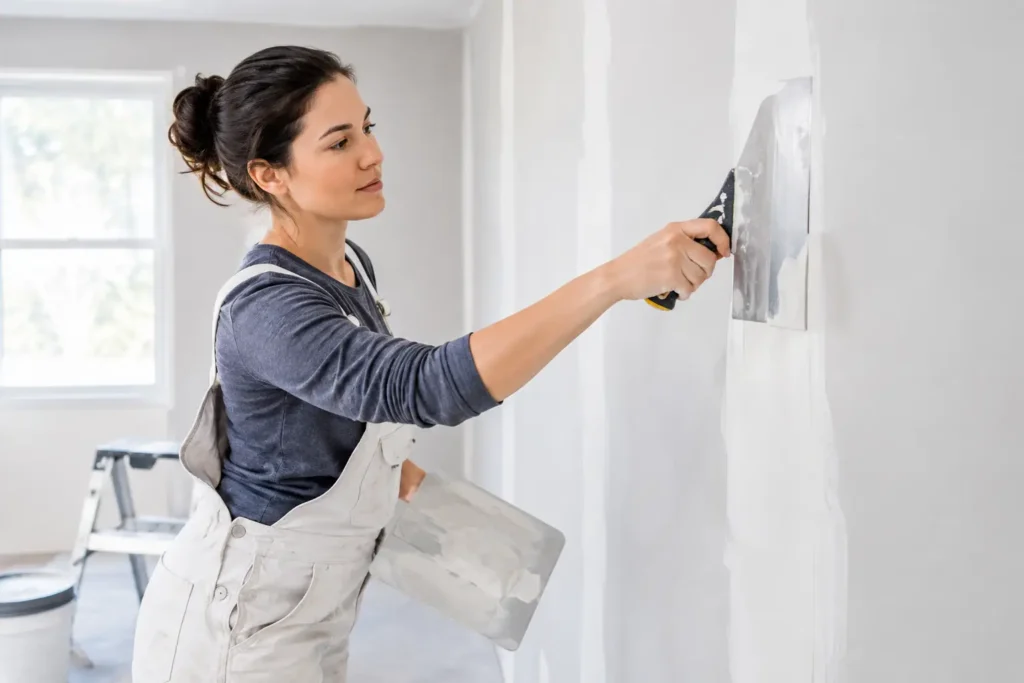
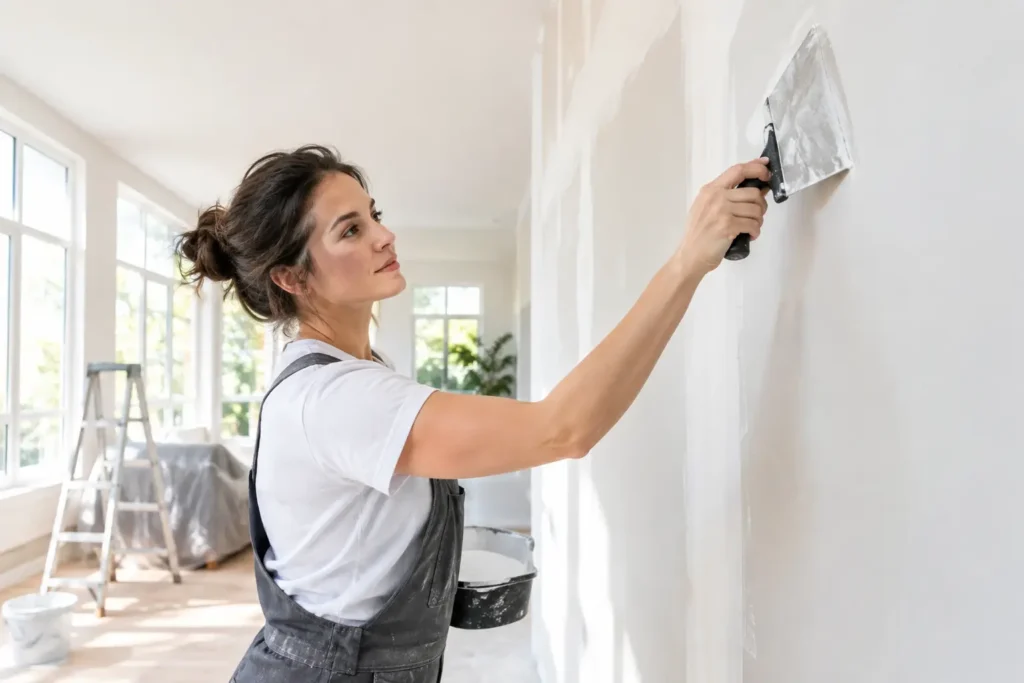
Taping is often treated like a small line item, but it affects the final appearance of every room. A professional crew handles the joints between drywall sheets, applies tape correctly, builds out the compound in smooth layers, and feathers transitions so the surface reads as one continuous plane. That includes inside corners, outside corners, butt joints, fastener spots, repairs, and skim work where needed.
In real projects, the work usually goes beyond basic tape and mud. Professional taping services may also include drywall finishing, texture removal, smooth ceiling finishing, patching after plumbing or electrical work, and preparation for higher-end paint results. The goal is not simply to cover drywall. The goal is to leave walls and ceilings ready for the next stage without visible defects.
That distinction matters. A rushed finish can look acceptable before primer, then disappoint once the room is fully lit. A proper finish takes planning, consistency, and the judgment to know when a surface needs more attention.
Where professional taping services make the biggest difference
Some surfaces are forgiving. Others show everything. Living rooms with large windows, long hallways, kitchens with under-cabinet lighting, and commercial interiors with bright overhead fixtures all put finish work under pressure. In those spaces, even slight ridges or poorly feathered joints can stand out.
Ceilings are another common problem area. Popcorn ceiling removal, smooth ceiling conversion, and patching after leaks all require careful finishing because flaws on overhead surfaces are hard to hide. A clean ceiling can make an entire room feel updated, but only if the finish is flat, consistent, and ready for paint.
Repairs are just as demanding as new work. Small patches may sound simple, yet blending them into an existing surface is often harder than finishing a fresh wall. Matching texture, controlling buildup, and hiding the repair line takes experience. That is one reason skilled crews can handle both full-scale jobs and smaller service calls without treating one like an afterthought.
Level 4 and Level 5 finishes are not the same
If you are planning a remodel or new build, the finish level matters more than many people expect. Level 4 is the standard choice for many painted walls. It delivers a smooth, paint-ready result when applied correctly and works well in a wide range of residential and commercial spaces.
Level 5 goes a step further. It adds a skim coat or equivalent treatment across the entire surface to reduce visual irregularities and improve uniformity under critical lighting. That extra step is often worth it in premium interiors, large open areas, and rooms where light rakes across the wall.
It depends on the project. Not every room needs a Level 5 finish, and not every budget should be pushed there automatically. But when the design calls for flat paint, smooth ceilings, and clean modern lines, choosing the right finish level early can prevent disappointment later.
Why paint-ready is not always finish-ready
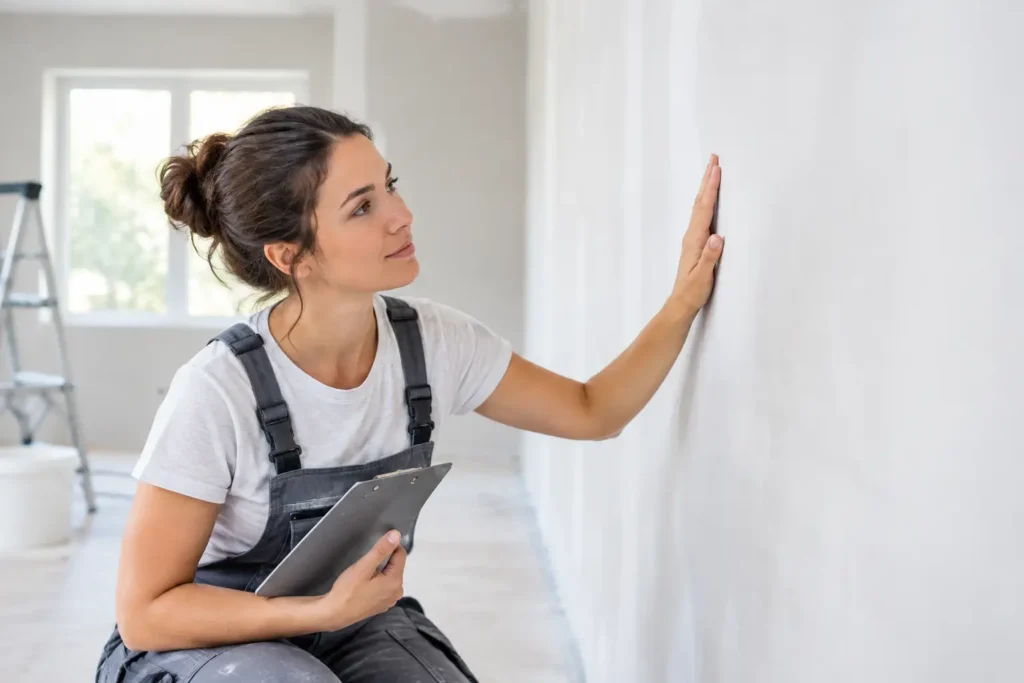
One of the most common frustrations on a jobsite is hearing that walls are ready for paint when they are only partly ready. Paint does not hide poor finishing. In many cases, it highlights it. Primer and topcoat can reveal edge lines, tool marks, pinholes, and uneven sanding that were easy to miss before.
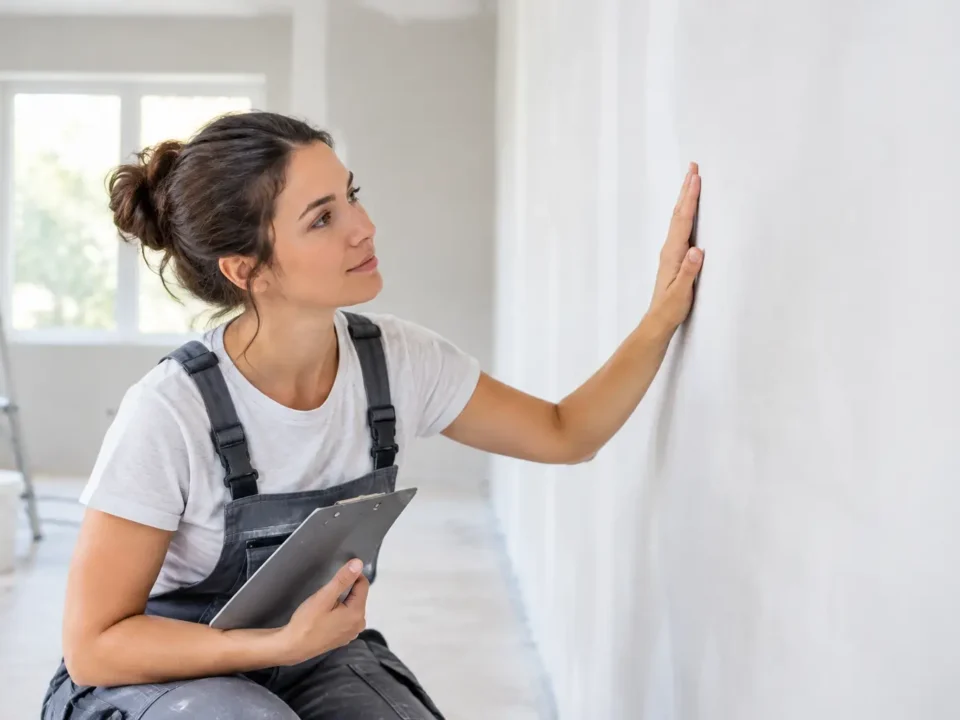
A dependable taping crew works with the end result in mind. That means controlling dust, checking surfaces in realistic lighting, and finishing with consistency from room to room. It also means knowing when a patch needs another pass instead of hoping paint will solve it.
For contractors, this is about protecting schedules and reputation. For homeowners, it is about avoiding the frustration of paying for paint on walls that still look unfinished. Good taping is what allows paint to look smooth, even, and intentional.
Speed matters, but only if the finish holds up
Many clients need quick turnaround. Maybe a unit has to be turned over, a renovation is moving fast, or damage from a leak needs immediate attention. Fast response is valuable, but speed without control creates more work later.
Professional taping services should move efficiently without skipping the basics that affect durability and appearance. Drying times, compound selection, sanding technique, and surface inspection all matter. On repair work, the surrounding material also matters. Older drywall, previous textures, or hidden moisture issues can change the approach.
This is where experience pays off. A crew that has handled everything from emergency patching to full finishing packages can usually spot the risks early and keep the work moving in the right direction. The fastest job is not the one finished first. It is the one finished once.
Choosing a contractor for professional taping services
When you are hiring for finish work, photos help, but they should not be the only measure. Ask whether the team handles both residential and commercial jobs, whether they can complete small patches as well as larger projects, and whether they understand finish levels and ceiling work. A contractor who speaks clearly about surface prep, expected results, and project conditions is usually easier to work with than one who offers broad promises.
It also helps to look for practical flexibility. Some companies only want full-scale jobs. Others are set up to take care of minor repairs, urgent issues, and detail-heavy finish work that larger crews may pass over. That kind of range is useful for property managers, remodelers, and homeowners who need a real solution rather than a one-size-fits-all service.
Clear communication matters just as much as technique. You want to know what is included, what the finish target is, and whether the surface will be ready for paint or need additional work from another trade. A straightforward quote and realistic scope are usually a good sign.
Professional taping services for repairs, remodels, and new builds
Every type of project has its own demands. In a repair, the challenge is blending the new work into what already exists. In a remodel, the challenge is consistency across patched areas, new drywall, and updated ceilings. In a new build, the challenge is maintaining quality across a larger volume of surface area without letting details slip.
That is why specialized finish work matters. The same attention that produces clean seams on a new wall also helps a ceiling patch disappear after a plumbing cut or an old popcorn texture transition into a modern smooth finish. The work may look simple when it is done well, but getting there takes control at every stage.
In active markets like Niagara, St. Catharines, and Hamilton, clients often need that mix of quality and responsiveness. Some are preparing a home for sale. Others are finishing a commercial space, updating rentals, or correcting damage before it spreads. In each case, the expectation is the same: clean surfaces, dependable service, and results that look right the first time.
TH Taping is built around that expectation. The work is precise, the scope can scale from small urgent repairs to full finishing packages, and the focus stays on visible results that improve the space.
The finish people notice last is the one they judge first
Most people do not walk into a room and talk about drywall. They talk about how clean it looks, how bright it feels, and whether the walls and ceilings look new or tired. That reaction starts with the finish.
Professional taping services are worth it when you want more than covered seams. They are the right choice when you need walls and ceilings that look finished under real light, hold up to daily use, and support the rest of the project without compromise. If the surface matters, the taping work matters too – and it is better handled before flaws become expensive to ignore.