Drywall Repair Niagara Region: What to Fix Fast

7 Best Drywall Finishing Techniques
4 julio, 2026
Best Drywall Finish for Modern Interiors
8 julio, 2026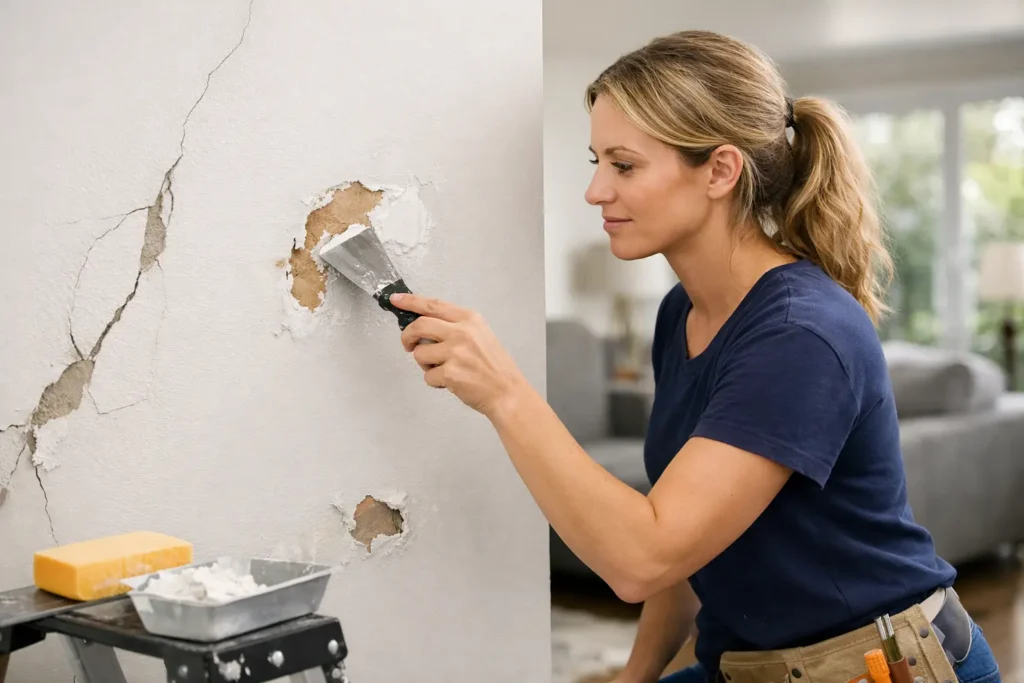
A small drywall crack rarely stays small for long. What starts as a dent from moving furniture, a seam opening near a ceiling line, or water damage after a leak can quickly turn a clean room into a space that looks unfinished. If you are looking for drywall repair Niagara Region property owners can rely on, the real question is not just how to patch the damage. It is how to restore the surface so it blends in, holds up, and is ready for paint without drawing attention later.
What drywall damage actually tells you
Not every damaged wall means the same thing. A door handle hole, a chipped corner bead, and a ceiling stain may all look like simple cosmetic issues, but they point to very different repair needs. That matters because the right fix depends on the cause, not just the visible mark.
Hairline cracks are often tied to movement, settling, or weak finishing at joints. Small punctures from impact usually need a localized patch and proper feathering. Water damage is a different category entirely. If the drywall has softened, sagged, stained, or started to crumble, the damaged section usually needs to be cut out and replaced, not just skimmed over.
This is where many quick fixes fail. A fast patch may hide the problem for a week or two, but if the surface was not stabilized, dried, reinforced, or finished properly, the repair shows through again once the paint goes on.
Drywall repair in the Niagara Region is not just about filling holes
A solid repair has two jobs. First, it needs to fix the damaged area. Second, it needs to match the surrounding surface so the repair disappears under normal light.
That second part is where quality shows. Even a small patch can stand out if the compound was built up too high, sanded unevenly, or left with texture differences. On ceilings and long wall runs, poor blending becomes obvious fast, especially near windows or light fixtures where shadows reveal every imperfection.
For homeowners getting ready to paint, this is usually the turning point. They realize the patch is technically closed, but the wall still does not look right. For contractors and property managers, that means callbacks, delays, and an interior that never looks fully finished.
When a small patch is enough
Some drywall issues are straightforward. A minor ding, a screw pop, or a small impact hole can often be repaired cleanly without opening a large section of wall. If the surrounding drywall is dry, stable, and free of hidden damage, a localized repair can be the right move.
The key is discipline in the finish. The damaged area must be cut clean if needed, reinforced if needed, taped when the repair crosses a seam, and coated in thin, controlled layers. Rushing that process usually creates a raised spot or visible edge. A proper patch should fade into the wall instead of announcing itself.
In occupied homes, smaller repairs also make sense because they reduce disruption. The best approach is often the one that restores the surface with the least mess while still delivering a paint-ready result.
Signs the repair is bigger than it looks
There are times when a “small repair” is not actually small. Repeated cracking along the same seam, bubbling tape, stains that keep coming back, or a patch that has already failed once usually means the issue goes deeper than the finish coat.
If the board is loose, the framing has shifted, moisture is still present, or the original installation was weak, patching the surface alone will not solve it. In those cases, removing the damaged section and rebuilding it properly is often the cleaner and more durable choice.
That is especially true on ceilings. Ceiling repairs are less forgiving because the eye catches every ridge and flat spot overhead. What looks acceptable on a wall can look rough on a ceiling once daylight hits it.
Why finish quality matters more than most people expect
Drywall repair is often judged at the very end of the project, not at the start. Everything may seem fine until primer goes on or the room gets painted in a darker color. Then the patch flashes, the seams show, or the texture mismatch becomes obvious.
This is why professional finishing matters. A repair is only complete when the surface is smooth, even, and visually consistent with the rest of the room. That takes more than compound and sanding. It takes control over edge build-up, drying times, surface level, and final skim work.
For higher-visibility spaces, the finish standard matters even more. If a room has large open walls, strong natural light, or a modern flat-paint look, the tolerance for visible defects is much lower. In those spaces, level 4 or even level 5 finishing may be the right solution after repair work, depending on the surface and final design.
Water damage, popcorn removal, and ceiling repairs
Many drywall repair calls are connected to larger interior issues. A ceiling stain after a plumbing leak, damage left behind after popcorn ceiling removal, or torn drywall paper during renovation all require more than a cosmetic touch-up.
With water damage, the first step is always making sure the source is fixed. Once the area is dry and safe to repair, the damaged drywall can be assessed properly. Sometimes the board needs replacement. Sometimes the framing and insulation need attention before the surface can be closed up. Skipping that step only traps problems behind the finish.
After popcorn ceiling removal, repair work often includes skim coating, patching torn surfaces, and bringing the ceiling to a smooth, consistent finish. That is detailed work. The goal is not just to remove the old texture, but to leave behind a clean ceiling that looks intentional and finished, not scraped and patched.
Residential and commercial needs are not the same
A homeowner may care most about appearance, cleanliness, and getting one room back to normal quickly. A property manager may need fast turnaround between tenants. A general contractor may need reliable finishing that keeps the job on schedule and avoids punch-list issues.
The repair itself changes based on that context. In a lived-in home, dust control and clear communication matter. In a commercial setting, timing and coordination often matter just as much as the final look. In both cases, the standard should be the same: precise work, durable repair, and a finish that is ready for the next step.
What to expect from a professional drywall repair process
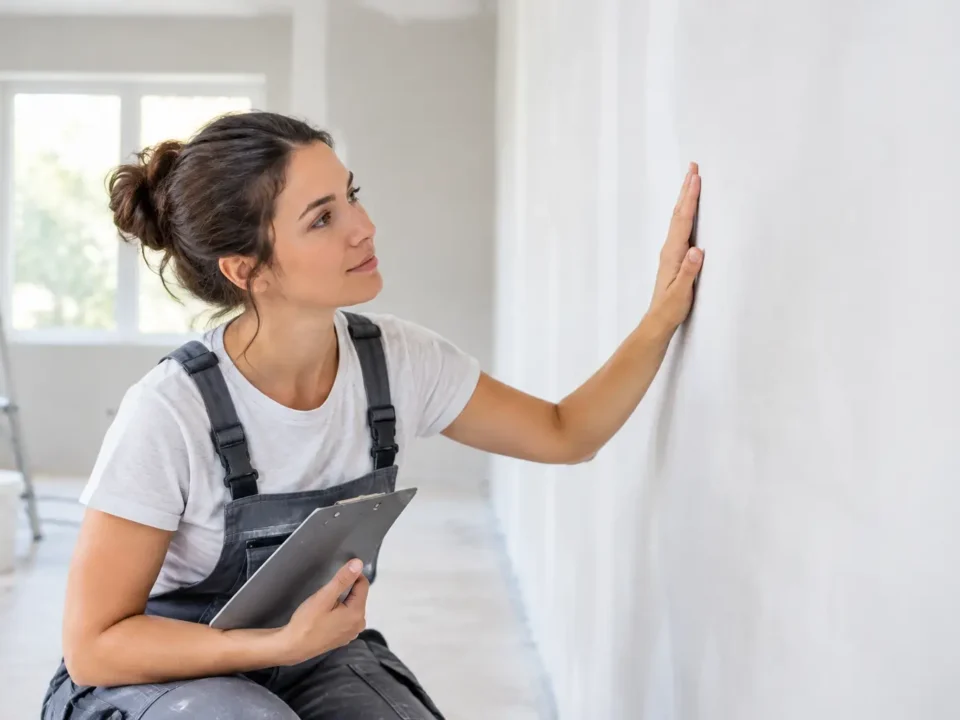
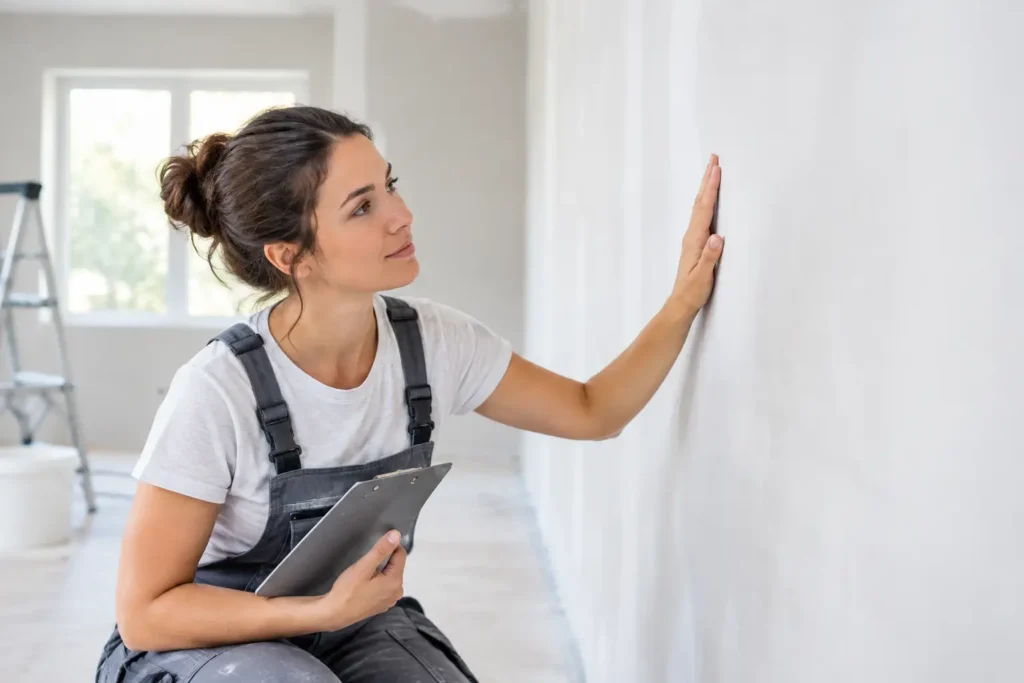
Good drywall repair starts with a clear assessment. The damaged area should be checked for movement, moisture, weak edges, failed tape, and finish inconsistencies. From there, the repair method should match the condition of the wall or ceiling, not just the size of the visible damage.
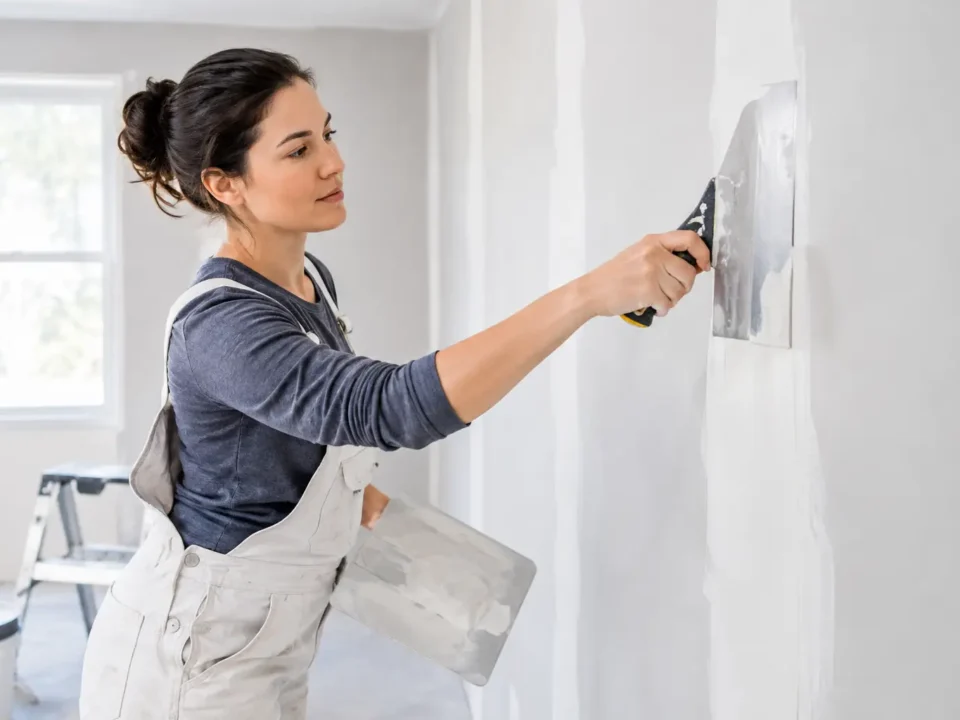
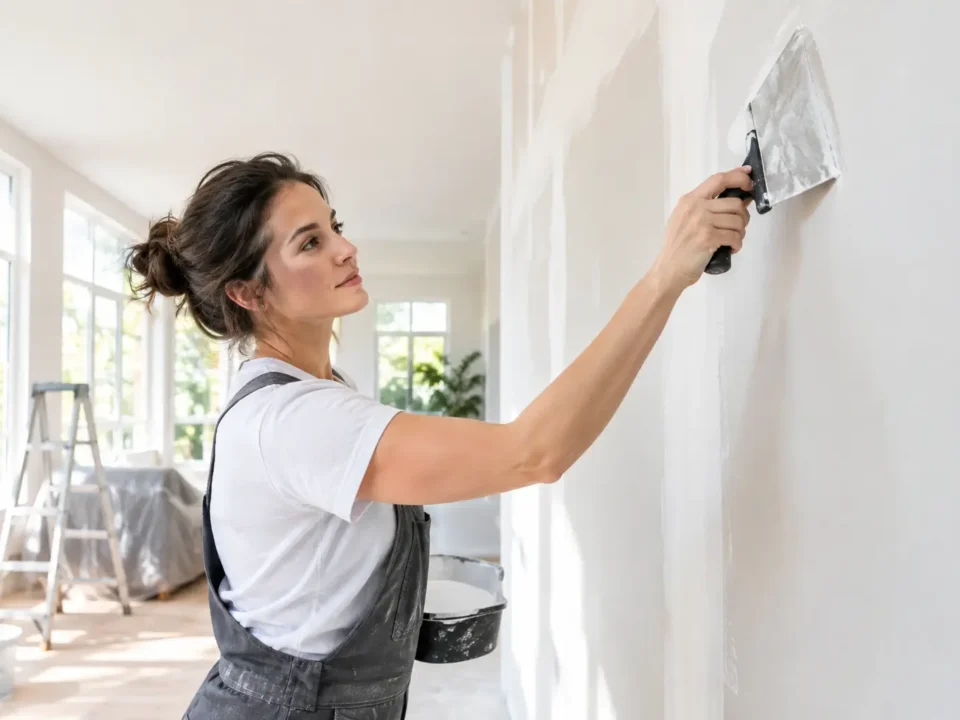
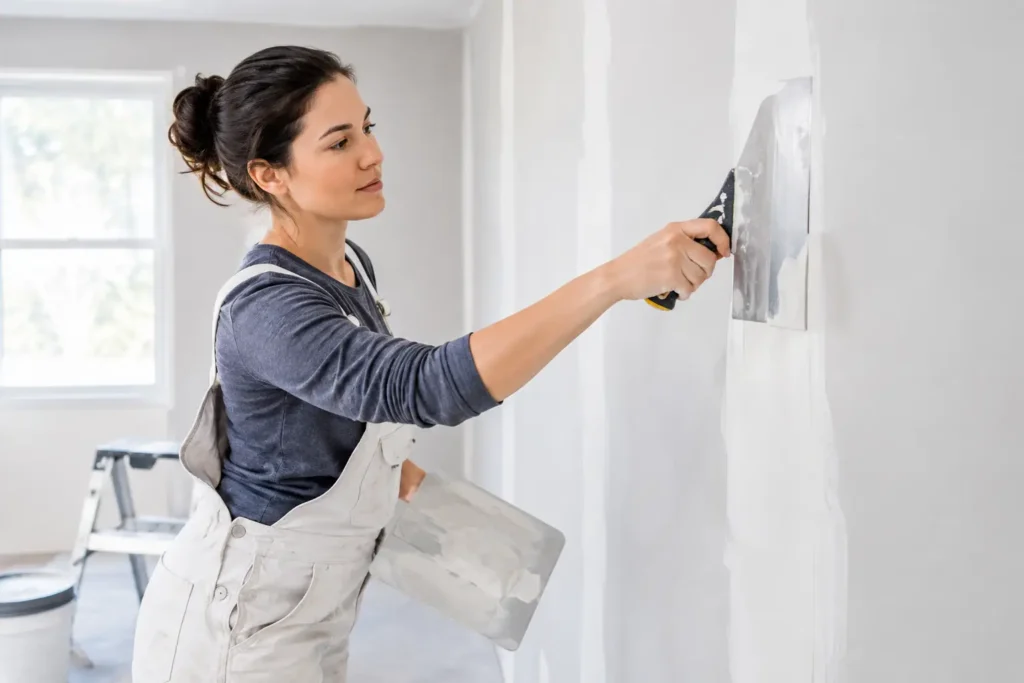
Then comes preparation. Loose material needs to be removed, edges cleaned up, surrounding surfaces protected, and any replacement board fitted properly. After that, taping, coating, drying, sanding, and final skim work are completed in stages. Trying to compress all of that into a single rushed visit is usually where quality drops.
A reliable contractor also knows when not to oversell the repair. Some areas need a targeted patch. Some need broader refinishing to blend properly. Some need replacement. The honest answer depends on what will actually hold up and look right after paint.
For clients in St. Catharines, Hamilton, and across the Niagara area, that practical approach matters. No one wants to pay for more work than necessary, but no one wants a cheap-looking patch that has to be redone either.
Choosing the right drywall repair team
The best drywall repair work is easy to miss once it is done. That is the point. Walls should look clean, ceilings should look uniform, and repaired areas should not catch your eye every time you walk into the room.
When choosing a company, look for specialization in taping and finishing, not just general renovation experience. Ask whether they handle both small repairs and larger finish work. Ask how they approach ceilings, water-damaged sections, and paint-ready surfaces. A team that understands finishing at a high level will usually give you a more realistic scope and a better final result.
TH Taping works with both small repairs and full finishing projects, which is often exactly what property owners need. Sometimes the job is a single patch. Sometimes it is a damaged ceiling, a skim coat after texture removal, or a larger repair that needs a premium finish to match the rest of the space.
If your walls or ceilings are damaged, the smartest move is to fix them before the problem spreads or the final paint makes every defect more visible. A clean repair does more than cover damage. It gives the room its finished look back.