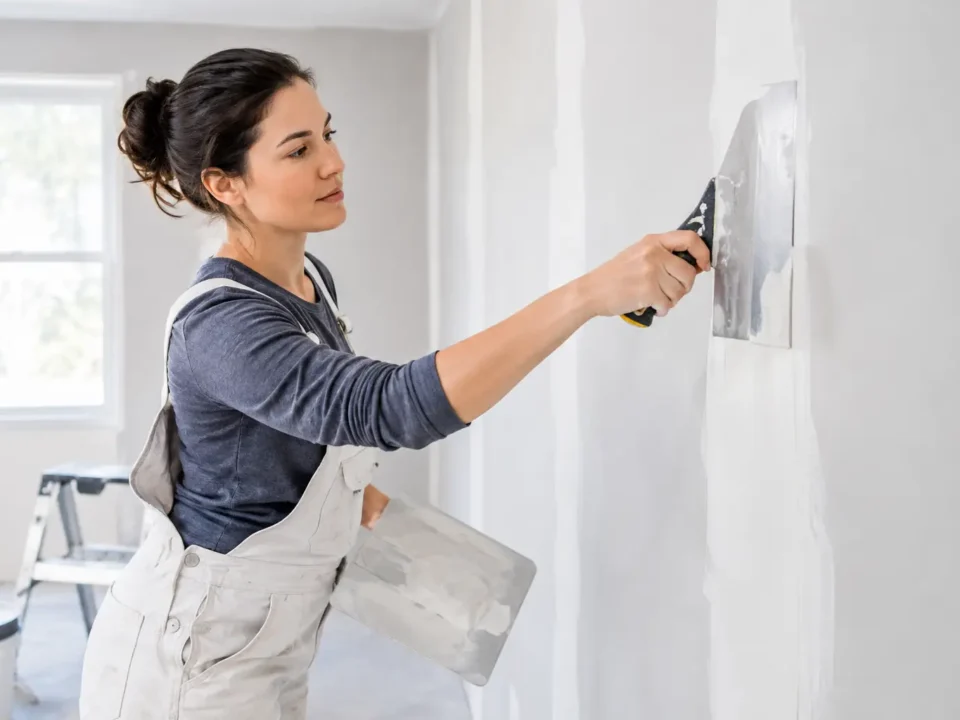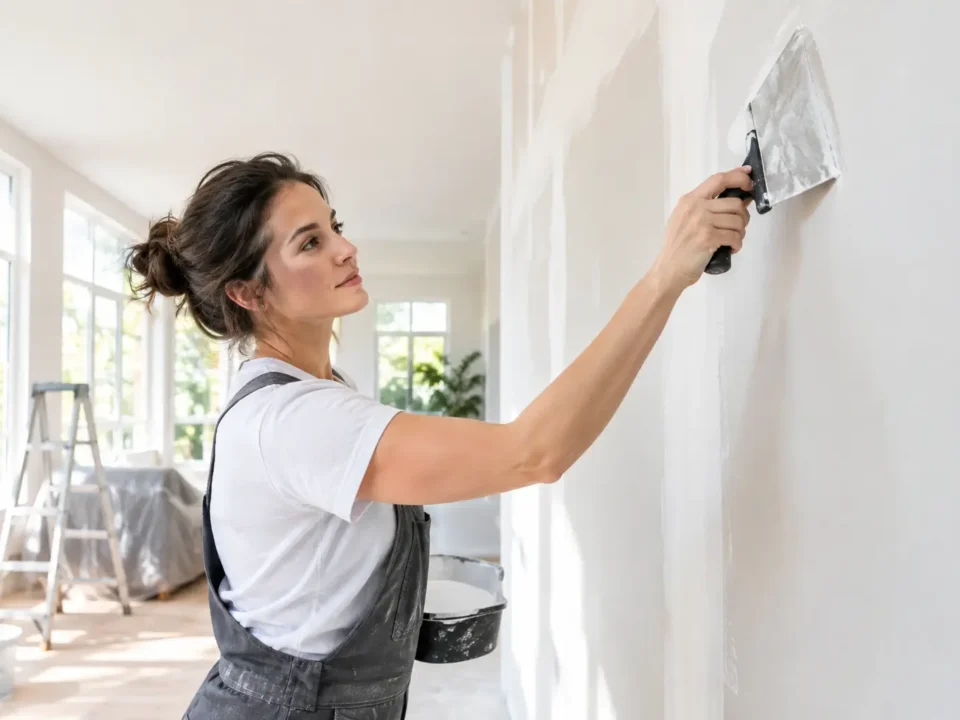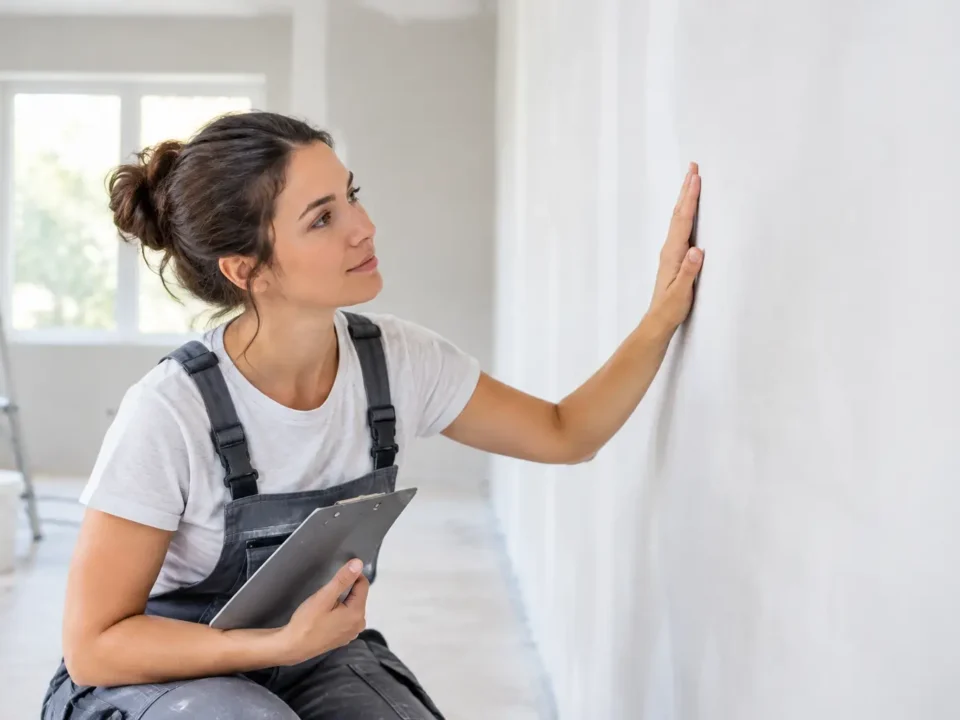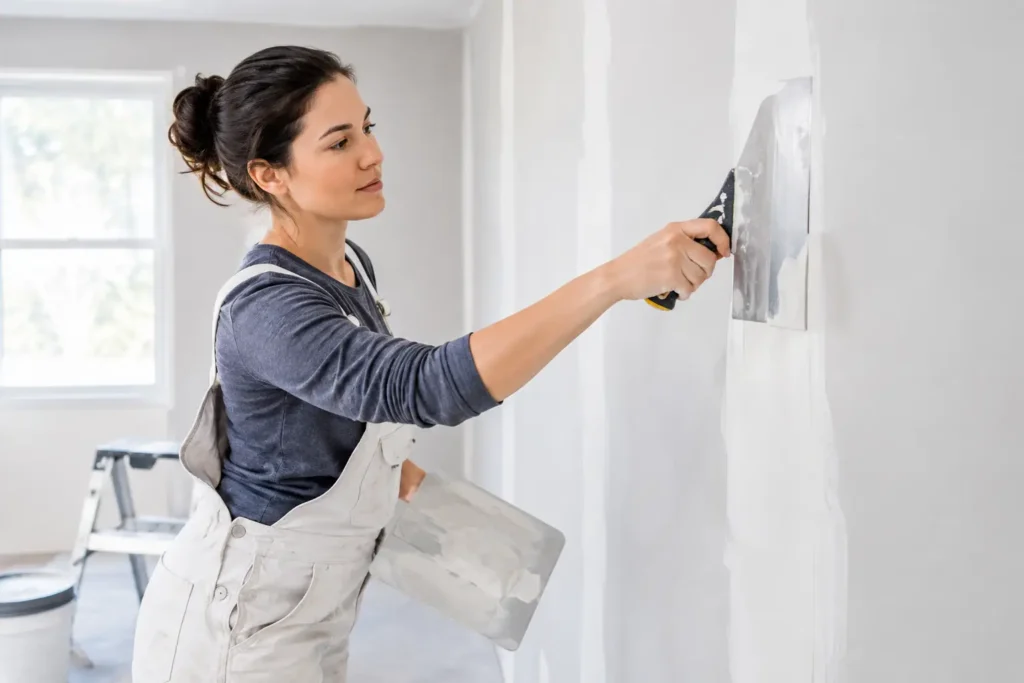
Emergency Drywall Repair Done Right

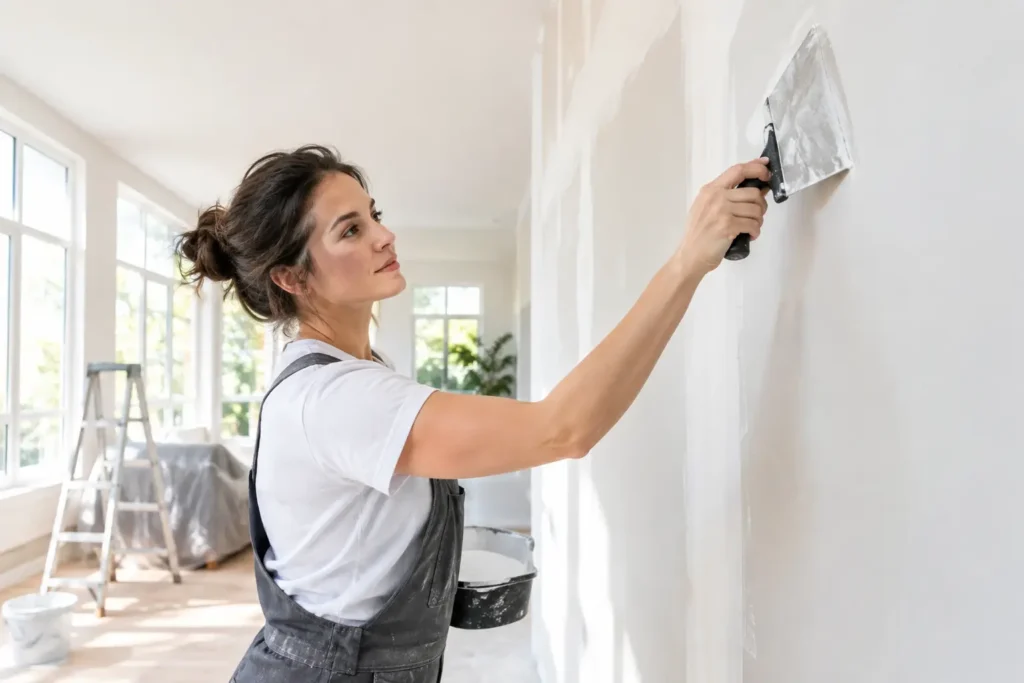
Small Drywall Repair Services That Last
16 mayo, 2026
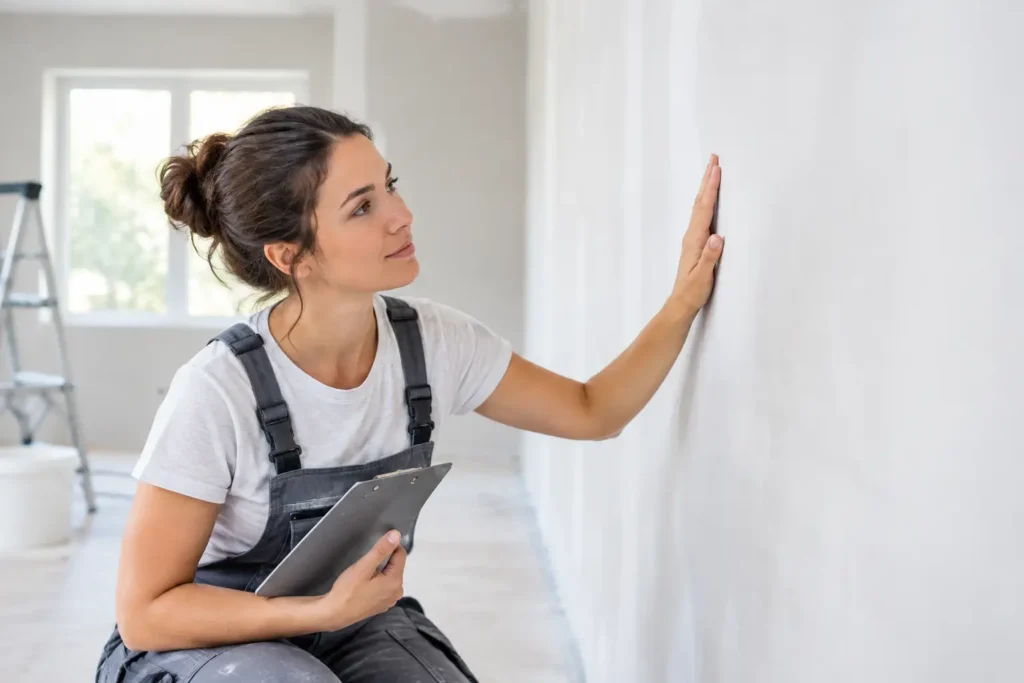
Ceiling Crack Repair: Fix or Refinish?
18 mayo, 2026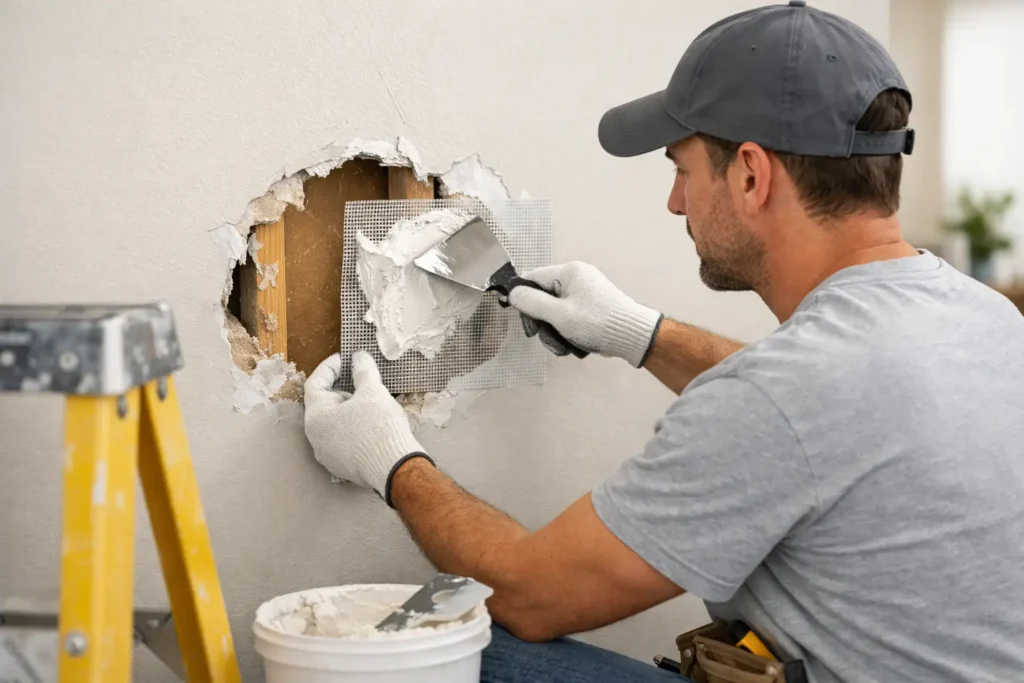
A ceiling stain that suddenly opens up, a wall punched through during a move, or drywall soaked after a plumbing leak can turn into a bigger problem fast. Emergency drywall repair is about more than covering a hole. It is about stabilizing the area, protecting the surrounding finish, and getting the surface ready for a clean, lasting result.
When drywall damage happens without warning, most property owners want the same thing – a quick response and a repair that does not look like a repair. That is the real difference between a temporary patch and professional work. In homes, rental units, offices, and commercial spaces, the goal is not just to close the damage. The goal is to restore the wall or ceiling so it blends in, performs properly, and does not create a second round of work later.
What counts as emergency drywall repair
Not every drywall issue is urgent, but some situations should be handled right away. Water-damaged ceilings are one of the most common examples. If drywall has softened, sagged, bubbled, or started to separate, waiting can lead to collapse, mold concerns, and damage to nearby finishes. The same applies when a plumbing repair, roof leak, or flood cleanup leaves open sections that need to be closed quickly and correctly.
Impact damage can also qualify as an emergency, especially when the opening is large, jagged, or located in a high-traffic area. In commercial settings, visible wall damage affects appearance immediately and can make a space look neglected. In residential properties, exposed insulation, broken corners, and damaged ceiling sections create safety and cleanup concerns.
There are also cases where timing matters because another trade is waiting. If painting, trim work, inspections, or final turnover are on the schedule, drywall damage can hold up the entire job. In those moments, fast drywall service is not a convenience. It keeps the project moving.
Why fast action matters
Drywall is not a finish material that improves by sitting exposed. Once it is damaged, it often affects more than the visible area. Water can wick into surrounding board. Tape joints can loosen. Texture differences become more obvious after paint. A rushed patch may hide the problem for a few days, but poor prep usually shows up later as cracking, flashing, uneven edges, or soft spots.
That is why emergency drywall repair has to balance speed with process. You want the area secured quickly, but you also need the damaged material evaluated properly. If the source of moisture is not handled first, new drywall can fail. If loose material is left in place, the patch will not hold as it should. If the finish is not feathered correctly, the repair remains visible even after fresh paint.
Good emergency work starts by making the area safe and stable. Then the repair is built for the long term.
The right approach to emergency drywall repair
A professional response usually begins with a close look at the cause and extent of the damage. That sounds basic, but it matters. A small stain may hide a larger wet area above. A cracked ceiling seam may be movement, not just surface failure. A hole in the wall may also include damaged corner bead or framing behind it.
Once the situation is clear, damaged drywall is cut back to solid material. This is one of the most important steps. Clean edges make a stronger patch and a cleaner finish. In water-damaged areas, any compromised board has to come out. Keeping soft or swollen drywall just to save time usually creates more work later.
From there, the repair method depends on size, location, and finish expectations. A small wall patch and a damaged ceiling section are not treated the same way. Ceilings demand more precision because changes in light reveal every ridge and low spot. High-visibility walls often need broader feathering so the repair disappears after painting. In some spaces, a level 4 finish is enough. In others, especially where smooth walls or premium paint are planned, level 5 preparation may be the better choice.
This is where experience shows. Fast service only helps if the final result still looks clean.
Walls and ceilings need different repair strategies
Wall repairs are often more forgiving than ceiling repairs, but only to a point. If the wall has a smooth finish, poor blending stands out quickly. If the damage is near trim, corners, or doors, alignment matters just as much as patch strength. The repair has to sit flat, hold firmly, and transition cleanly into the surrounding surface.
Ceilings are less forgiving because overhead light exposes every flaw. A patch that looks acceptable at first can become obvious in the afternoon when sunlight hits across the surface. Sagging areas, seam lines, or uneven mud work are hard to hide once the ceiling is painted. That is why emergency ceiling repair needs careful sanding, proper buildup, and attention to the existing plane of the ceiling.
If a textured ceiling has been damaged, there is another decision to make. Sometimes texture can be matched closely. Other times, especially with older surfaces or partial popcorn removal, the cleaner option is to rework a wider area so the result feels intentional instead of patched.
What property owners should do first
If drywall damage follows a leak or flood, stop the source of water first. That comes before the patch. Drywall work should not move ahead until the area is dry enough and stable enough for proper repair. If the board is actively sagging or looks ready to fall, keep people clear of the area.
Take a few photos, especially if the damage affects a rental, insurance claim, or commercial property record. Then get the damaged area assessed. Quick attention helps limit spread and can make the final repair simpler.
What usually does not help is trying to cover the issue with filler, tape, or paint before the material is ready. Those quick fixes often trap moisture, create rough surfaces, and make the finish work harder than it needs to be. A proper patch starts with proper prep.
When a patch is enough and when replacement is better
This depends on the cause of the damage, not just the size. A clean impact hole in a dry, stable wall can often be patched effectively. But if the drywall is waterlogged, crumbling, stained through, or separating at seams, replacement is usually the smarter option.
The same goes for repeated repairs in the same area. If a section has already been patched poorly, layered with excess compound, or weakened by ongoing moisture, removing and replacing that portion may produce a better finish with less frustration overall.
A good contractor will tell you which option makes sense and why. Sometimes the lower-cost fix is reasonable. Sometimes spending a little more now prevents a visible repair and another service call later. It depends on the condition of the surface and the finish standard you expect.
Why finish quality matters after the emergency is over
Once the immediate damage is handled, the finish becomes the part everyone lives with. This is especially true in entryways, living spaces, offices, retail interiors, and any room with smooth ceilings. The emergency may have started with a hole or leak, but the lasting impression comes from how well the repair disappears.
That is where specialized taping and finishing matters. Strong joints, smooth transitions, crisp corner work, and consistent surface preparation all affect the final appearance. Paint does not hide drywall flaws. It usually highlights them.
For homeowners, that means a repair that does not catch your eye every time you walk into the room. For property managers and contractors, it means a space that is ready for turnover, paint, or final presentation without excuses. In fast-moving jobs across places like Niagara, St. Catharines, and Hamilton, that reliability is part of the service.
TH Taping is here to help with both urgent drywall issues and the finish work that makes the repair look right when the job is done.
Choosing the right team for emergency drywall repair
Speed matters, but so does judgment. You want a crew that can respond quickly, identify what actually needs to be removed, and finish the repair to a professional standard. That includes knowing when to patch, when to replace, and how to prepare the surface for paint without leaving obvious transitions behind.
It also helps to work with a company that handles both small urgent repairs and higher-end finishing. That combination matters because emergency work is not just about closing an opening. It is about restoring the surface properly, whether it is one damaged wall, a leaking ceiling section, or a repair that needs to match the rest of a carefully finished interior.
If you are dealing with sudden drywall damage, the best next step is simple: address it early, repair it correctly, and make sure the final surface looks as solid as the fix behind it.