Niagara Drywall Contractor Checklist for Hiring

Wall and Ceiling Refinishing Benefits for Your Home
20 septiembre, 2026
How to Repair Drywall After Electrical Work
24 septiembre, 2026
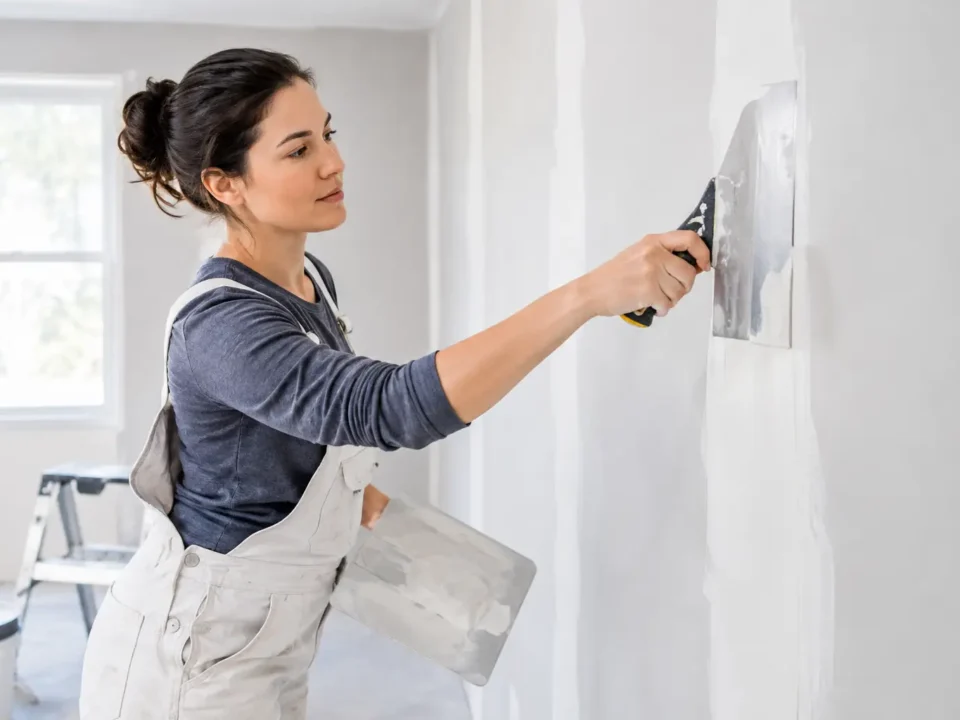
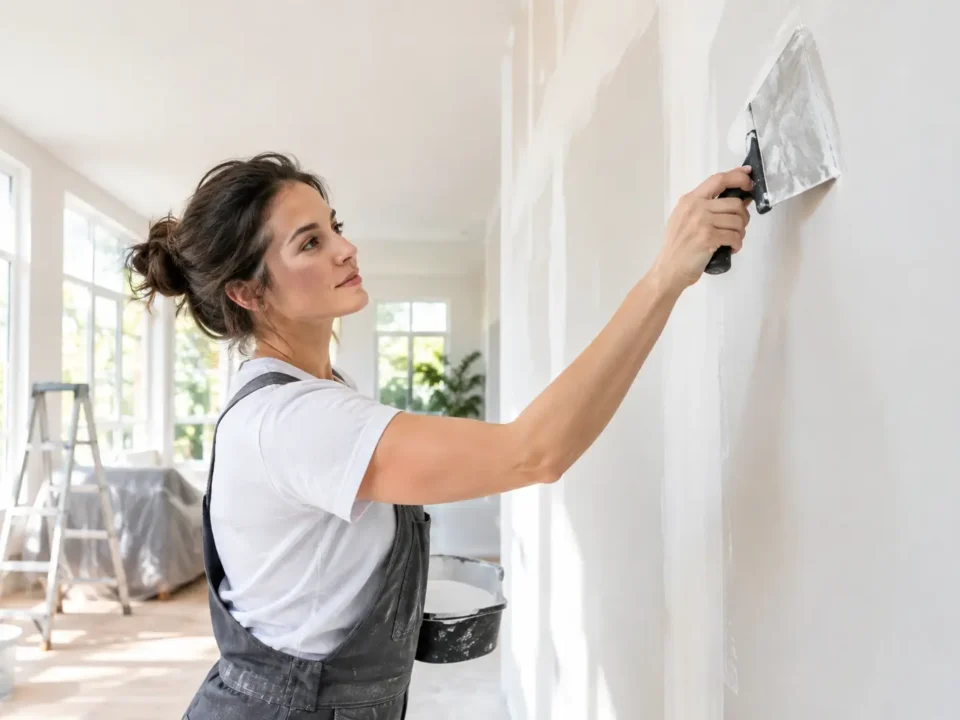
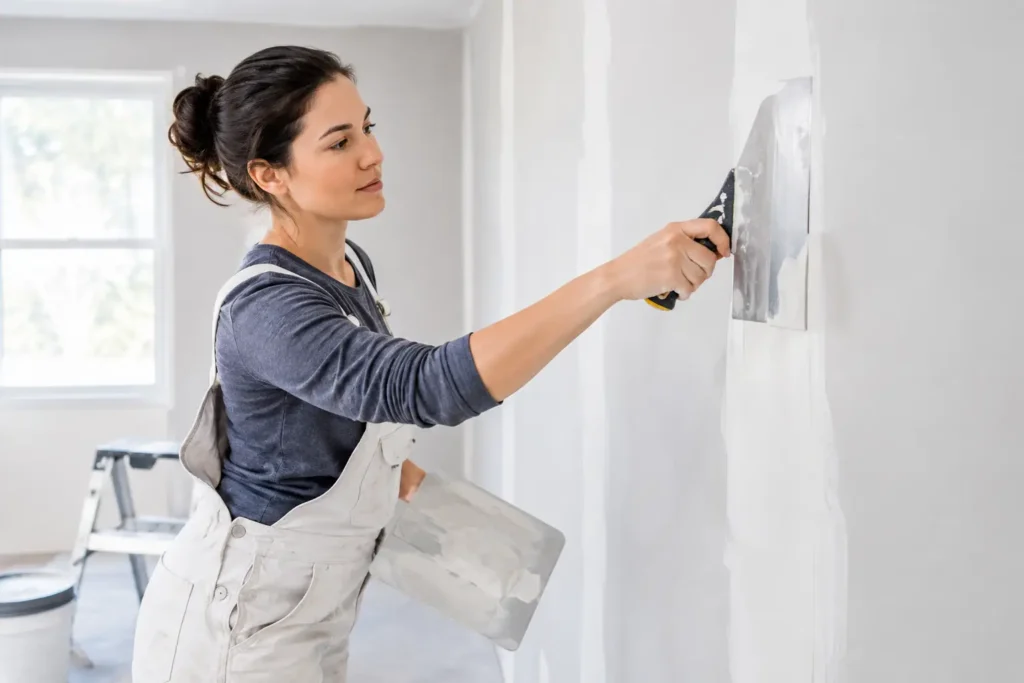
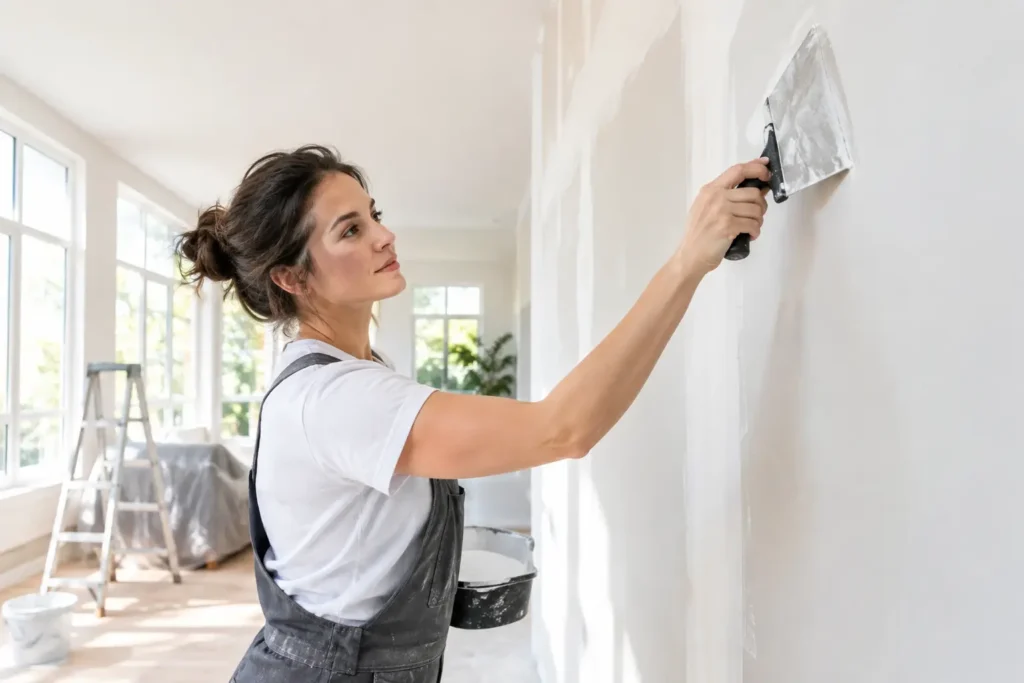
A wall can look fine until the paint goes on. Then every raised joint, uneven patch, flashing spot, and poorly blended repair becomes visible. This Niagara drywall contractor checklist helps homeowners, property managers, and builders choose a crew based on the details that actually affect the finished room.
Drywall work is often scheduled between framing and painting, but its impact lasts much longer. A clean finish makes new construction feel complete, helps a renovation look intentional, and prevents small damage from becoming a constant visual distraction. The lowest number on a quote is not always the lowest cost once rework, delays, or paint problems enter the picture.
Start With the Scope, Not the Price
Before comparing contractors, get clear about what the job needs. A small hole repair, a full basement finish, a popcorn ceiling removal, and a commercial tenant improvement are all drywall projects, but they require different preparation, materials, timelines, and finish standards.
Walk through the space and identify what is included. Are walls being installed, taped only, repaired, skim coated, or prepared for paint? Are there water stains, loose drywall, cracked joints, or signs that the framing is uneven? If ceiling texture is being removed, ask whether disposal, surface preparation, and final smoothing are included.
A contractor can only provide a dependable quote when the scope is specific. If you are comparing estimates, make sure each one covers the same work. A vague quote may appear cheaper because it leaves out corner bead, sanding, repairs, cleanup, priming recommendations, or ceiling work.
Niagara Drywall Contractor Checklist: 10 Checks
1. Confirm the finish level you need
Ask what finish level is included and why it fits your project. Level 4 is a common standard for walls and ceilings that will receive regular paint or light texture. Level 5 adds a skim coat or equivalent treatment across the surface and is often the better choice for smooth ceilings, high-gloss paint, strong natural light, and premium interiors.
Level 5 costs more because it requires more labor and careful surface preparation. It can be worth it when afternoon sun crosses a long wall or when the room will have dark paint, large windows, or direct lighting that exposes imperfections.
2. Ask how the contractor will handle existing damage
Repairs need more than compound over a crack. Movement, moisture, poor fastening, damaged backing, or failed tape can cause the same problem to return. Ask whether the crew will investigate the cause before closing the surface.
For water-related damage, the source of moisture must be corrected first. For recurring cracks, the contractor may need to reinforce joints, replace compromised material, or address framing conditions. A good repair should blend visually and hold up over time.
3. Look at real examples of finished work
Photos can help, but ask to see work that is comparable to your project. If you need smooth ceilings, review smooth ceilings. If you need patches in an occupied home, look for examples where the repair disappears into the surrounding surface.
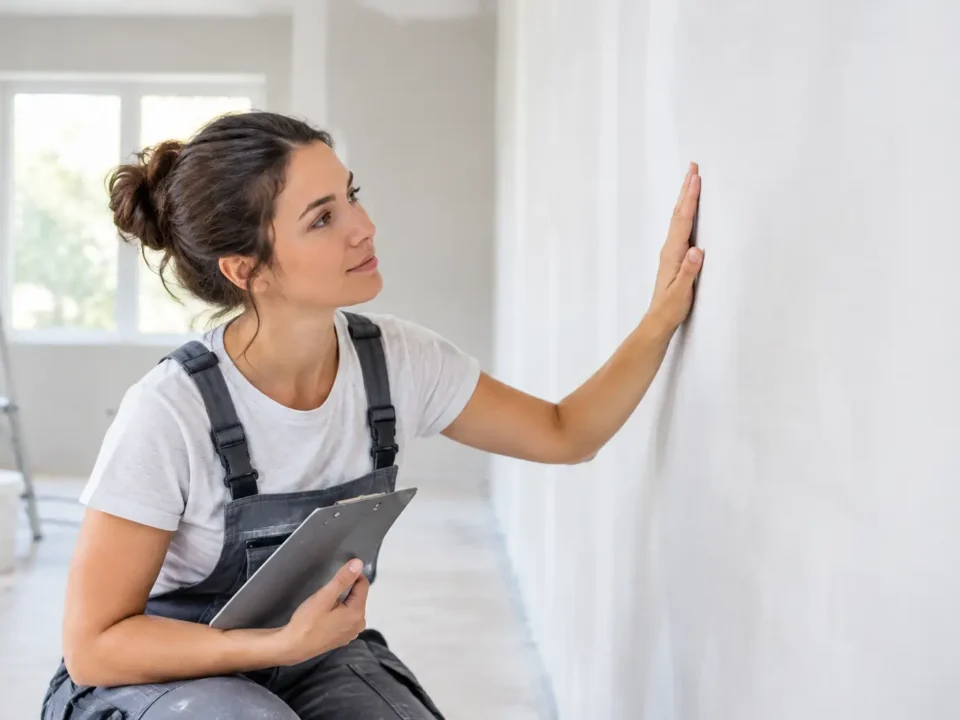
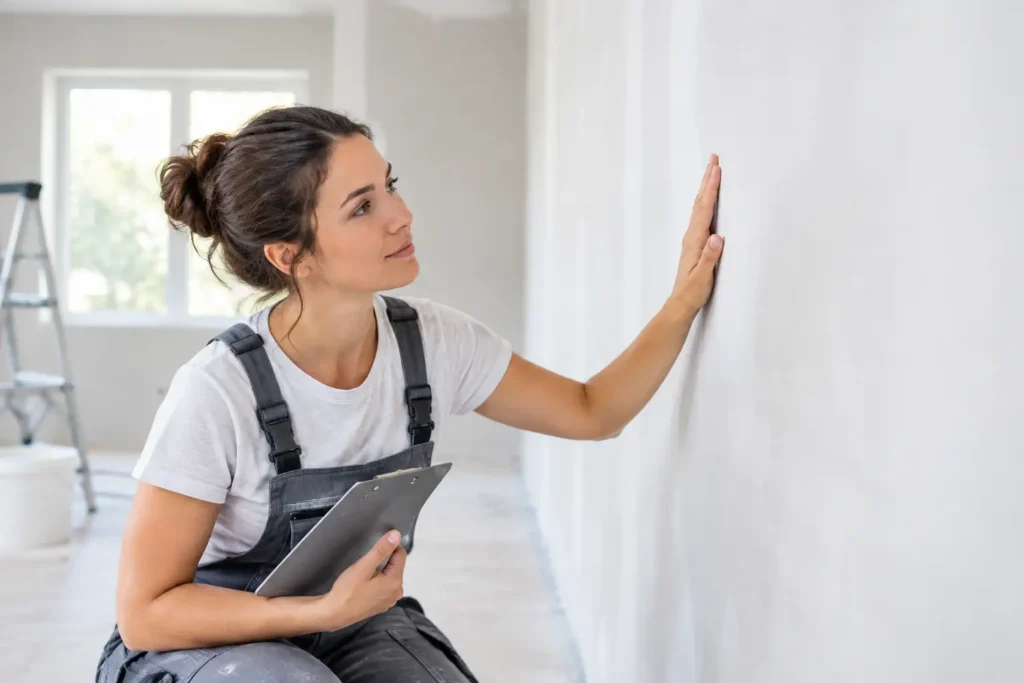
Pay attention to corners, ceiling lines, window returns, and areas near light fixtures. Those locations reveal whether a crew takes the time to create straight lines and even transitions. Finished drywall should look quiet under paint, not merely acceptable from across the room.
4. Make sure the quote explains what is included
A professional quote should make the work easy to understand. It should identify the rooms or surfaces involved, the planned finish, the materials or repair approach, and any assumptions that could change the price.
Ask direct questions about debris removal, dust containment, protecting floors and furnishings, and final cleanup. For larger projects, confirm whether the price includes multiple visits for taping, drying time, additional coats, sanding, and touch-ups. These steps are part of the process, not extras that should come as a surprise.
5. Discuss dust and site protection early
Drywall sanding creates fine dust that travels farther than most people expect. In an occupied home, containment matters as much as the finish itself. Ask how the crew will protect adjacent rooms, flooring, furniture, HVAC vents, and pathways in and out of the work area.
The right approach depends on the job. A one-room patch may need targeted protection and careful cleanup, while a major renovation may require barriers, covered openings, and a more controlled sanding plan. The goal is practical: keep the job site manageable while protecting the rest of the property.
6. Verify insurance and jobsite requirements
Ask for proof of appropriate liability insurance and, where applicable, workplace coverage documentation. Property managers and general contractors may also need specific site paperwork before work begins. It is better to handle these details before scheduling than to delay a project after materials and trades are already lined up.
For commercial work, confirm building access, working hours, elevator use, loading areas, and any safety requirements. Clear coordination keeps drywall work from interfering with other trades or tenant operations.
7. Ask who will perform the work
The person giving the estimate may not always be the person completing the finishing. Ask who will be on site, who is responsible for quality control, and who will communicate if conditions change.
This matters most when a project has tight deadlines or several trades involved. You want a crew that can coordinate with electricians, painters, flooring installers, and general contractors without leaving unfinished edges or creating delays for the next step.
8. Get a realistic schedule, including drying time
Fast service is valuable, especially for urgent repairs or projects waiting on paint. But drywall compound needs time to dry between coats, and drying conditions change with temperature, humidity, ventilation, and the size of the repair.
Ask for a schedule that includes preparation, each finishing stage, sanding, cleanup, and readiness for paint. Be cautious of promises that ignore drying time. A rushed finish can lead to shrinkage, visible joints, or callbacks that cost more time than a properly planned job.
9. Clarify the paint-ready standard
“Ready for paint” can mean different things to different people. Confirm whether the contractor is delivering a sanded drywall finish, applying primer, or coordinating with the painter. In most cases, paint is separate from drywall finishing, but the surfaces should be prepared to support a clean paint result.
Lighting should be part of this conversation. Walls can look smooth under general room lighting yet show flaws under pot lights, sconces, or daylight. Tell the contractor about the lighting plan and intended paint color before the finish is selected.
10. Choose communication you can rely on
A quality result depends on clear communication from the first visit through final cleanup. The contractor should answer questions directly, explain trade-offs without pressure, and let you know when an unforeseen issue changes the scope.
This is especially important for smaller repairs. A small patch still deserves careful matching, clean work habits, and a clear expectation of what the finished area will look like before paint. Size should not determine the level of care.
Questions That Protect Your Budget
When reviewing quotes, ask what could create an additional charge. Hidden water damage, unstable existing drywall, out-of-square framing, asbestos-related concerns in older textured ceilings, and access limitations can all change the work required. A reliable contractor will not pretend these risks do not exist. They will explain how they would be handled if discovered.
Also ask whether the quote is based on a site visit or photographs. Photos are useful for quick guidance, but an in-person assessment is often better for larger jobs, ceiling issues, or repairs where the cause of damage is not obvious. It allows the contractor to check surface condition, access, lighting, and the extent of preparation needed.
The Best Fit Is Not Always the Biggest Crew
For a full renovation, you may need a team that can keep pace with a general contractor and complete large areas efficiently. For a damaged wall, a ceiling patch, or an urgent repair before listing a property, you may need a specialist willing to take on a smaller job with the same attention to finish quality.
TH Taping works with residential and commercial clients who need precise drywall taping, finishing, smooth ceilings, repairs, and paint-ready surfaces. The right fit begins with an honest look at the scope and a clear plan for the final result.
Before you book, walk through the room one more time under the lighting you will actually use. Point out every area that matters to you, from the ceiling line above the kitchen island to the patch beside the entryway. Clear expectations at the start give your drywall contractor the best chance to deliver the clean, durable finish you want.