Wall Finishes That Make Every Room Look Better

Tenant Turnover Wall Repair That Rents Faster
14 septiembre, 2026
Ceiling Refinishing for a Smooth, Modern Finish
18 septiembre, 2026
A freshly painted room can still look unfinished when seams, patches, fasteners, or uneven texture show through. Quality wall finishes are what make the difference between a surface that simply covers the wall and one that looks clean from every angle. Whether you are renovating one room, repairing damage, or finishing a new build, the result depends on the preparation beneath the paint.
For homeowners, property managers, and contractors, the right finish is not only about appearance. It affects how walls handle daily wear, how easily repairs blend in, and how well a space reflects light. The best choice depends on the room, the lighting, the paint sheen, and the standard you expect when the project is complete.
Wall Finishes Start With Surface Prep
Paint cannot hide poor drywall work. In fact, darker colors, satin finishes, large windows, and recessed lighting often make imperfections more visible. Before any finish is applied, the drywall must be securely installed, taped, coated, sanded, and inspected.
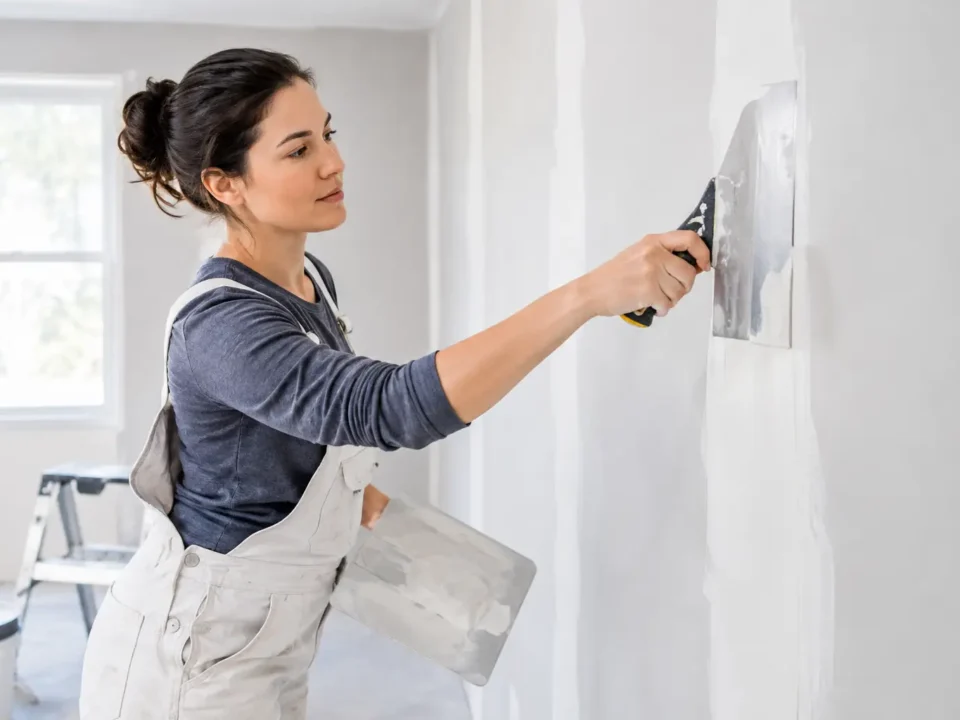
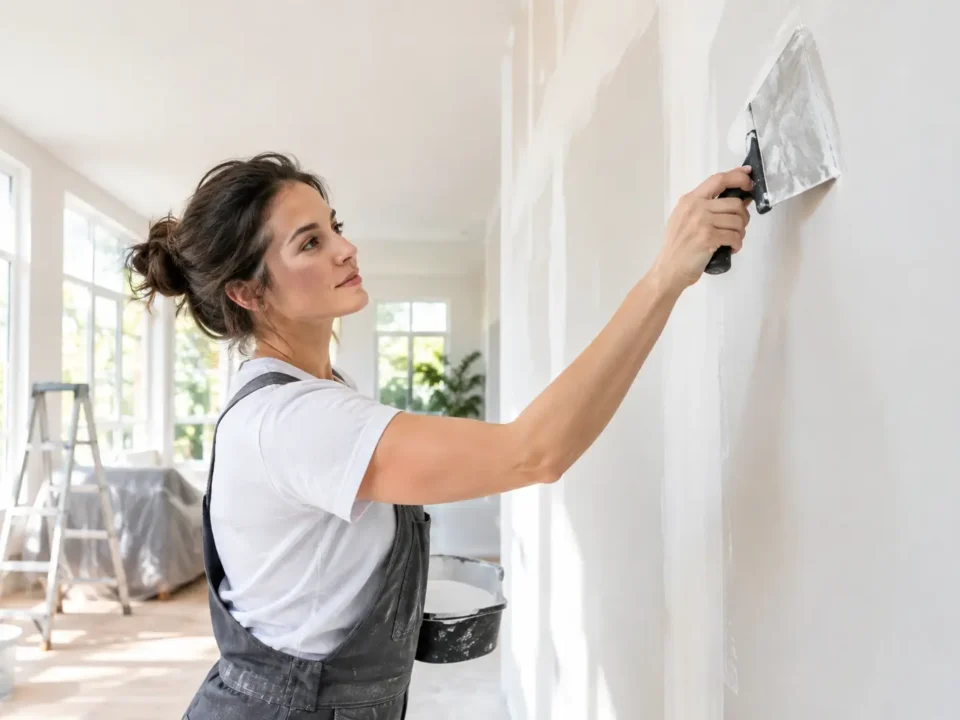
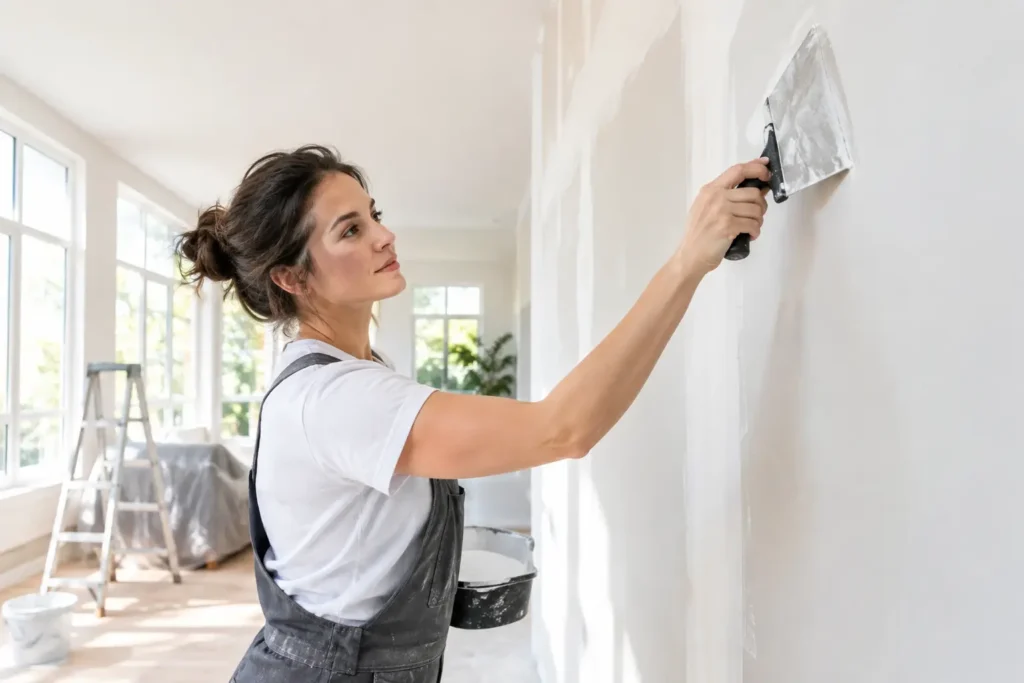
Professional taping creates a continuous surface across drywall joints, inside corners, outside corners, and screw heads. Each coat of compound has a purpose. The first embeds the tape, later coats widen and flatten the joint, and final sanding removes small ridges without damaging the drywall paper. Rushing this process can leave visible lines that appear as soon as light hits the wall.
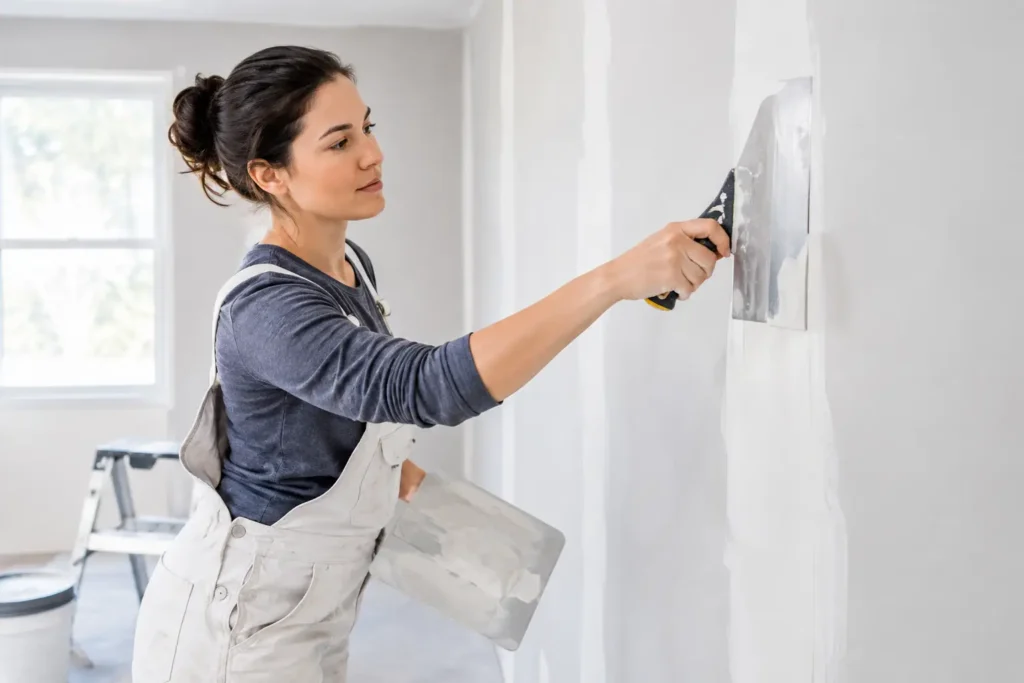
Drywall repairs require the same attention. A patch that is smooth to the touch may still stand out after paint if its edges were not feathered wide enough. Minor holes, water-damaged areas, cracks, and old wall openings need proper backing, taping, and finishing before they can disappear into the surrounding surface.
Understanding Drywall Finish Levels
Drywall finish levels help define how smooth a surface needs to be before decorating. They are especially useful when discussing expectations with a contractor, since a standard suitable for a utility room may not be sufficient for a bright living room.
Level 3 is generally used where a heavier texture will be applied. The surface is taped and coated, but it is not intended for smooth paint or close visual inspection. It can work well when texture is part of the design plan, but it is not the right choice for a clean, modern painted wall.
Level 4 is the common standard for painted interior walls. Joints and fasteners receive multiple coats of compound, then the surface is sanded smooth. For most rooms with flat paint and normal lighting, a properly completed Level 4 finish delivers a polished result.
Level 5 is the premium option for surfaces where flaws are most likely to show. It includes the Level 4 process plus a skim coat or equivalent treatment across the full wall or ceiling. This added layer helps create a uniform surface for high-end paint, dark colors, glossy finishes, and areas with strong natural or artificial light.
A Level 5 finish is not necessary in every room. It does, however, make sense in open-concept spaces with large windows, entryways, feature walls, stairwells, and commercial interiors where presentation matters. Choosing it selectively can protect your budget while giving high-visibility areas the attention they deserve.
Choosing Wall Finishes Room by Room
The right finish should match how a room is used. A formal dining room, a busy hallway, and a basement utility area do not have the same needs.
Living rooms, bedrooms, and hallways usually benefit from smooth Level 4 drywall finished with flat or eggshell paint. Flat paint hides minor surface variation well, while eggshell provides a little more washability. If the room gets intense side lighting from windows, take the smoother Level 5 route or carefully assess the wall before selecting a deeper paint color.
Kitchens, bathrooms, laundry rooms, and entry areas need finishes that stand up to moisture, cleaning, and traffic. The drywall must be properly prepared, particularly around repairs and transitions, then paired with a durable paint sheen such as satin or semi-gloss where appropriate. Higher-sheen paint is easier to wipe down, but it also reveals surface flaws more readily. Smooth drywall work matters even more in these spaces.
Basements can present their own challenges. Previous moisture issues, foundation movement, or old patches may leave cracks and uneven surfaces behind. Before selecting a finish, address the source of any moisture and make sure damaged material is removed. A cosmetic repair cannot solve an active water problem.
Commercial spaces often require a balance between visual quality and practical durability. Offices, retail spaces, rental units, and common areas may need a clean Level 4 finish that can be painted and maintained efficiently. Feature walls, lobbies, and client-facing areas may justify Level 5 for a more refined appearance.
Smooth Walls or Texture?
Smooth walls remain a popular choice because they look current, clean, and easy to repaint. They work with almost any design style and make a room feel more open. The trade-off is that smooth walls demand better drywall finishing, especially under direct lighting.
Texture can help disguise small irregularities and add visual character. It may be useful for older homes where perfectly flat walls would require extensive correction. However, texture is harder to repair invisibly, can collect dust, and may feel dated depending on the style. If you are updating a property for resale or creating a modern interior, smooth walls and ceilings are usually the more flexible long-term choice.
Popcorn ceiling removal is a common example. Removing the texture can brighten a room and create a cleaner ceiling line, but the exposed surface underneath often needs repair, skimming, and sanding before it is ready for paint. The removal is only one part of the job. The finish that follows determines whether the ceiling looks truly renewed.
Lighting and Paint Can Change the Result
A wall may look perfect during the day and show every joint at night. This often happens because lighting travels across the surface at a low angle, creating shadows along small imperfections. Recessed lights near a wall, under-cabinet lighting, sconces, and floor-to-ceiling windows can all reveal uneven areas.
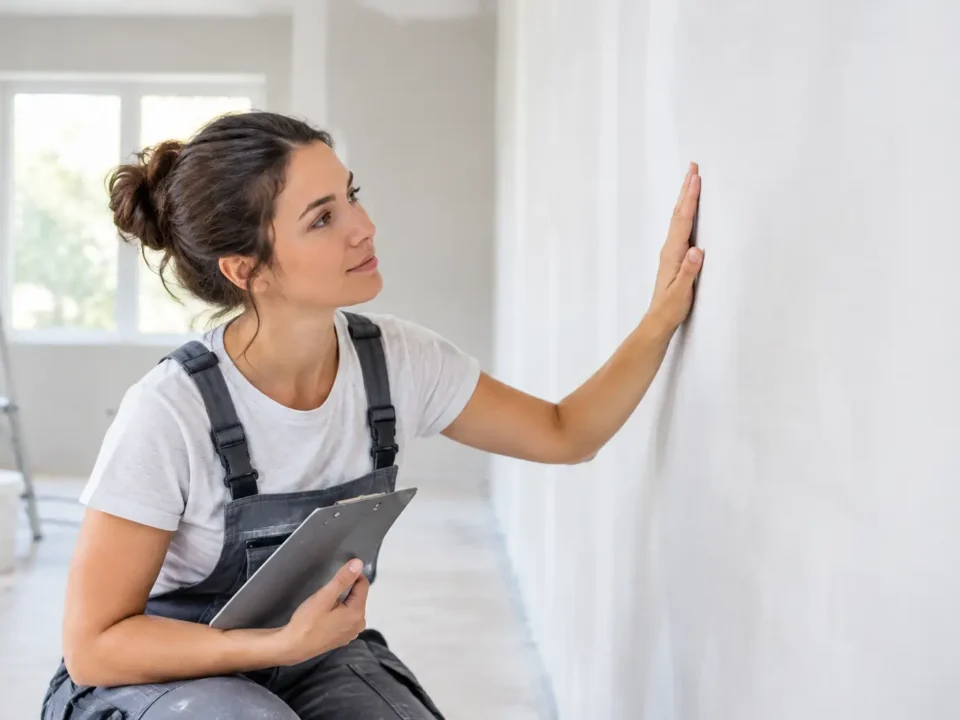
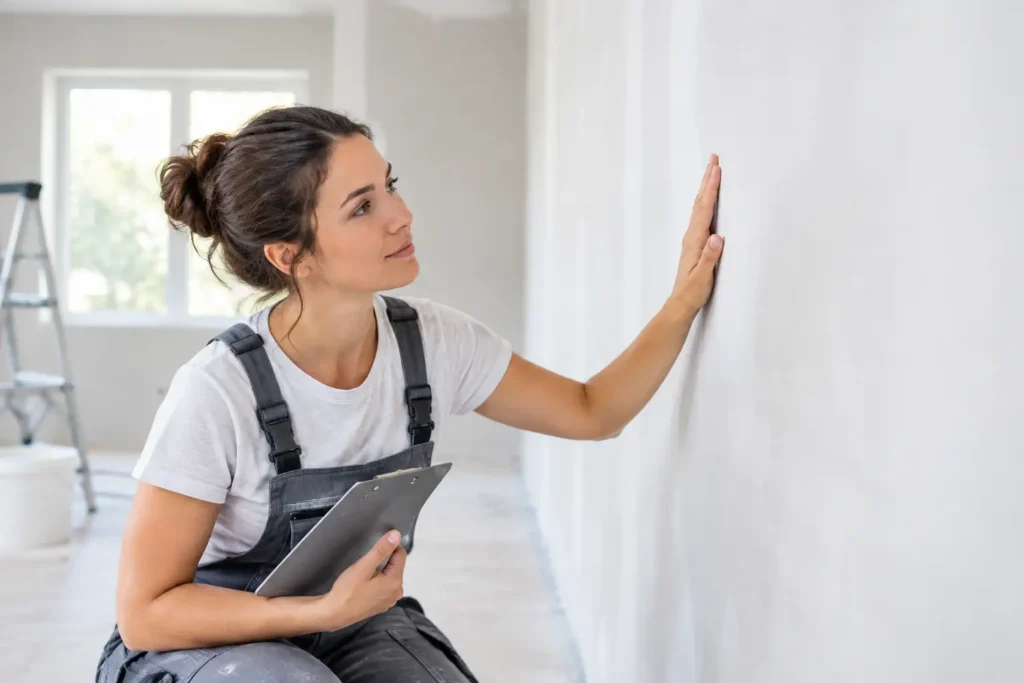
Before final paint, inspect walls in the lighting the room will actually use. Look across the wall rather than directly at it. This is when ridges, shallow depressions, sanding marks, and patch outlines become easier to spot. Addressing them before paint is faster and more cost-effective than repainting after the fact.
Paint sheen also matters. Flat finishes are more forgiving, while eggshell, satin, and semi-gloss reflect more light. Dark navy, charcoal, black, and jewel tones can be striking, but they tend to expose surface variation. If your design calls for dramatic color or sheen, invest in the drywall finish first.
When a Repair Is Enough and When It Is Not
Small nail holes, door-handle damage, and isolated dents can often be patched successfully. A professional repair should blend beyond the damaged spot so it does not create a visible raised area after painting. Matching existing texture, paint color, and sheen may require additional work, particularly on older walls.
Widespread cracking, repeated water damage, loose drywall tape, or a ceiling with extensive staining calls for a broader assessment. Covering over a recurring problem may delay the repair, but it will not provide a durable finish. Find the cause, repair the affected area correctly, and then restore the wall or ceiling surface.
For urgent damage or a small job that larger crews may not take on, a responsive drywall finishing team can save time and prevent a minor issue from becoming a larger one. Clear communication about the damage, the desired paint finish, and the timeline helps set the right scope from the start.
Get the Finish Right Before Painting
The last coat of paint gets the credit, but the wall beneath it does the real work. A clean drywall finish gives paint an even base, helps repairs disappear, and supports the polished look you had in mind when the project began.
If you are planning a renovation, preparing a property for new tenants, or correcting damaged walls in Niagara Region, St. Catharines, or Hamilton, ask for a clear assessment of the surface before painting begins. TH Taping is here to help with detailed taping, drywall repairs, smooth ceilings, and Level 4 or Level 5 finishing. A free quote can give you a practical path from rough surface to a result you will be proud to see every day.